Kerala budget row: Venugopal, Sudheeran pile pressure on Satheesan over liquor, mining proposals
Synopsis
The Satheesan government's first major political test has come not from the Opposition but from within the Congress itself. Budget proposals on low-strength liquor and coastal mining have drawn a public warning from high command leader K.C. Venugopal and a historically resonant intervention from V.M. Sudheeran — the man who once forced a sitting Congress government to shut down hundreds of bars.
Key Takeaways
Satheesan's budget proposed promoting low-strength liquor production and exploring coastal mining, triggering an intra-party row.
Congress General Secretary K.C.
Venugopal warned that no one could deviate from the party's anti-liquor policy and called for wider internal consultations.
Sudheeran intervened publicly, echoing his campaign during the 2011–16 Oommen Chandy government that led to bar closures across Kerala.
Operational bars in Kerala fell to fewer than three dozen by the end of the Chandy term but rose to nearly 900 during the subsequent LDF government's two terms.
Opposition parties have alleged the proposals would benefit liquor companies; the government maintains they are revenue and economic measures.
This marks the first major political challenge for the Satheesan government, originating from within the Congress rather than the Opposition.
A political storm is brewing within the Indian National Congress (INC) in Kerala over the V.D. Satheesan government's budget proposals to encourage production of low-strength liquor and explore coastal mining — with senior party leaders publicly breaking ranks and the Opposition sharpening its attack.
What the Budget Proposed
The budget presented by Chief Minister V.D. Satheesan included steps to promote the production of low-strength liquor and examine the feasibility of allowing mining activities along the state's coastline. The government has argued that both proposals are aimed at generating economic activity and bolstering state revenue. However, the twin announcements have collided sharply with the Congress's long-standing positions on prohibition and environmental protection.
Venugopal's Warning and Sudheeran's Intervention
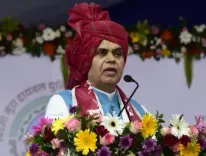
Congress General Secretary K.C. Venugopal was among the first to fire a shot across the bow, stating that no one had the right to deviate from the party's anti-liquor policy and stressing that sensitive policy decisions required wider internal consultations before implementation. His remarks signalled that the Congress high command was watching the developments closely.
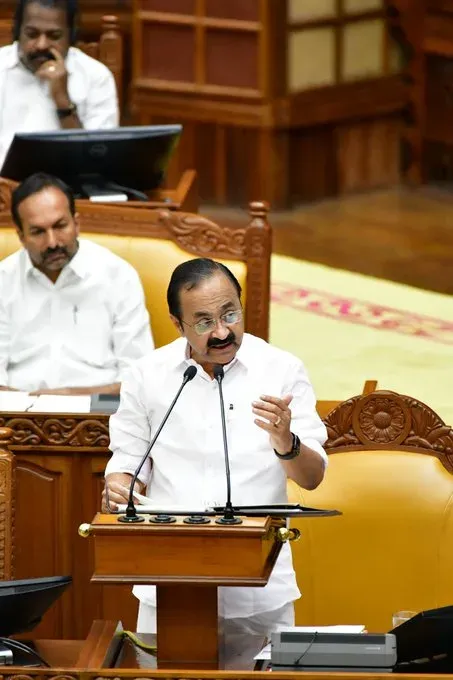
The controversy deepened further when veteran Congress leader V.M. Sudheeran entered the debate, reviving memories of his sustained and consequential interventions on liquor and sand mining policies during the previous Congress-led government. Sudheeran is widely known within the party for taking firm, often inconvenient, positions on liquor policy and environmental concerns — and his re-entry into this space carries considerable political weight.
Historical Context: The Bar Closure Campaign
Sudheeran's current intervention echoes his role during the 2011–16 Oommen Chandy government, when he served as state Congress President and mounted a sustained campaign against the prevailing liquor policy. His pressure eventually contributed to the decision to shut down a large number of bars across the state. By the time the Chandy government completed its term, the number of operational bars in Kerala had fallen to fewer than three dozen.
Over the following decade, however, the liquor landscape shifted markedly. During the Left Democratic Front (LDF) government's two consecutive terms under Chief Minister Pinarayi Vijayan, the number of bars climbed to close to 900. Throughout that period, Sudheeran repeatedly wrote to the Chief Minister demanding a policy rethink and urging stricter controls — largely without result.
Political Fallout and What Comes Next
Opposition parties have seized on the controversy, alleging that the budget proposals would primarily benefit liquor companies rather than the broader public. The government has pushed back, maintaining that the intent is economic and revenue-driven.
Notably, this is the first major political challenge to emerge for the Satheesan government — and it has come not from the Opposition benches but from within the Congress itself. With party veterans, the high command, and Opposition leaders all scrutinising the proposals, the Satheesan administration faces the difficult task of balancing fiscal imperatives against the party's social and environmental commitments.
Whether the government revises the proposals or holds its ground is likely to set the tone for Congress's internal dynamics in Kerala in the months ahead.
Point of View
Meanwhile, signals that the high command is not inclined to give Thiruvananthapuram a free pass. The real question is whether Satheesan can craft a fiscal path that does not require abandoning the party's social positions — or whether this becomes the first crack in what is still a very new government.
NationPress
20 Sept 2026
Frequently Asked Questions
What are the Kerala budget proposals that triggered the controversy?
The budget presented by Chief Minister V.D. Satheesan included proposals to promote the production of low-strength liquor and examine the possibility of allowing mining activities along Kerala's coastline. The government has said both measures are aimed at generating economic activity and improving state revenue.
Why did K.C. Venugopal issue a warning over the budget proposals?
Congress General Secretary K.C. Venugopal stated that no one had the right to deviate from the Congress party's established anti-liquor policy and stressed that sensitive policy decisions required wider party consultations. His remarks indicated that the high command was closely monitoring the Satheesan government's moves.
Who is V.M. Sudheeran and why does his intervention matter?
V.M. Sudheeran is a veteran Congress leader known for his firm positions on liquor and environmental issues. During the 2011–16 Oommen Chandy government, his sustained campaign against the liquor policy contributed to the closure of a large number of bars, reducing their count to fewer than three dozen statewide — making his current intervention politically significant.
How has Kerala's liquor landscape changed over the past decade?
When the Oommen Chandy government ended in 2016, operational bars in Kerala had fallen to fewer than three dozen following Sudheeran's campaign. Under the subsequent LDF government's two terms, that number climbed to nearly 900, a trend Sudheeran repeatedly and publicly opposed.
What is the Opposition's position on the budget proposals?
Opposition parties have alleged that the budget proposals — particularly on low-strength liquor production — would primarily benefit liquor companies rather than the general public. The Satheesan government has rejected this framing, maintaining that the proposals are economically motivated.