Kerala CM Satheesan prepares maiden budget amid ₹5 lakh crore debt crisis
Synopsis
V.D. Satheesan spent two decades as Kerala's sharpest budget critic. On June 19, he presents his first budget — against a ₹5 lakh crore debt wall and a public hungry for relief. The man who asked the hardest questions now has to answer them.
Key Takeaways
Satheesan will present his maiden state budget on June 19 in Thiruvananthapuram .
Kerala's public debt has crossed ₹5 lakh crore , as confirmed by a White Paper released on 29 May .
Satheesan is conducting closed-door budget consultations at Kovalam Guest House , assisted by secretary Rathan U.
Key public expectations include withdrawal of the fuel cess , payment of pending DA arrears , and welfare schemes for women, youth, and the elderly.
Free travel for women on ordinary state-run buses begins on June 15 , ahead of the budget.
Satheesan spent nearly 25 years as a legislator critiquing Left government finances — he now inherits that same fiscal challenge.
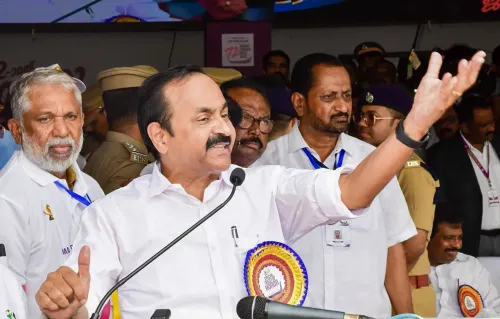
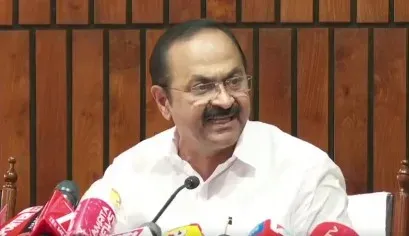
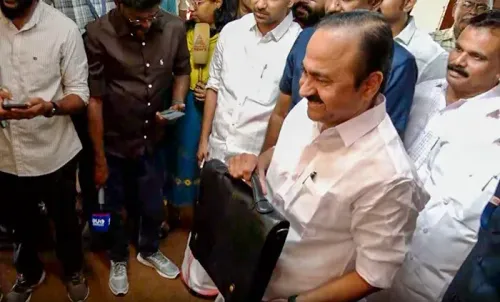
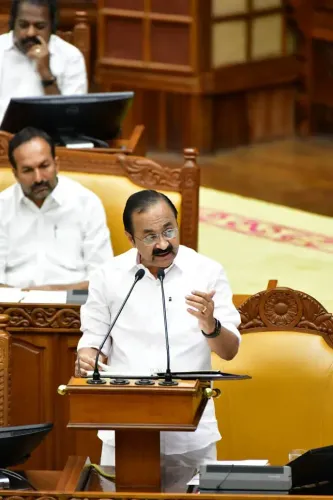
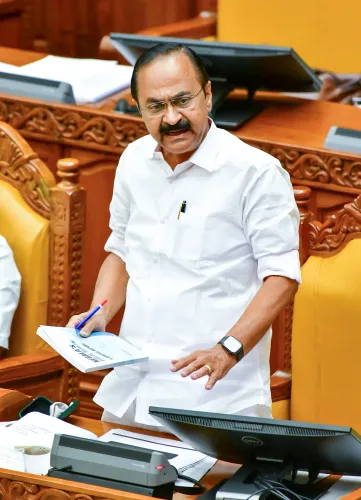
Kerala Chief Minister and Finance Minister V.D. Satheesan is in the final stretch of preparations for his maiden state budget, set to be presented on June 19 in Thiruvananthapuram. The budget arrives under acute fiscal pressure, with the state's public debt reportedly crossing the ₹5 lakh crore mark — a figure that has sharply narrowed the new government's room to manoeuvre.
Budget Preparations in Closed-Door Mode
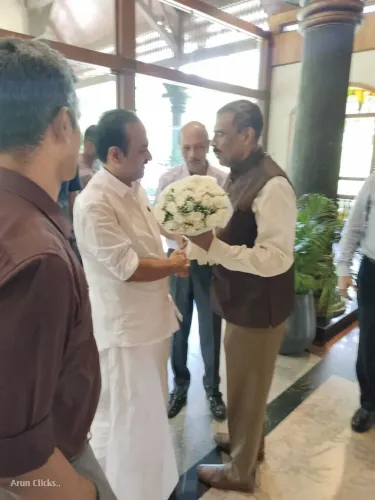
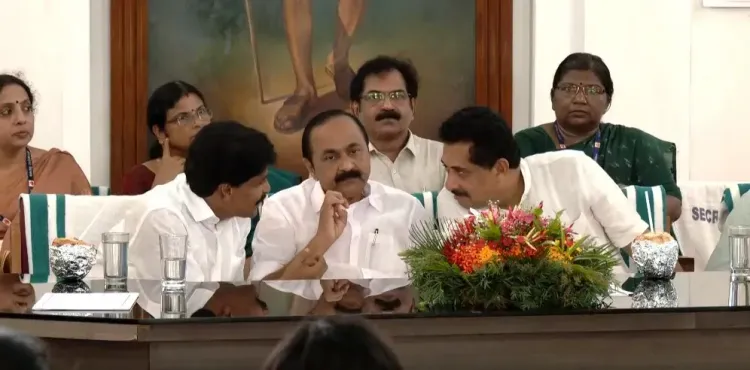
Satheesan has kept a low public profile in the days leading up to the budget, shuttling between his official residence, Cantonment House, and Kovalam Guest House, where he has been holding closed-door consultations with a select team of advisers. He has been conspicuously absent from the Secretariat during this period.
Assisting him in these deliberations is senior bureaucrat and his secretary Rathan U. Khelkar, who carries recognised expertise in taxation and state finances. The budget is expected to focus on identifying fresh revenue streams without imposing additional burdens on citizens already contending with rising costs.
The Debt Burden Satheesan Inherits
The White Paper released on 29 May laid bare Kerala's financial position, confirming that public debt has crossed the ₹5 lakh crore threshold. This document has effectively framed the political and fiscal context within which Satheesan must operate. Critics argue that successive Left governments allowed debt to accumulate unchecked — a charge Satheesan himself levelled repeatedly from the opposition benches.
Notably, this is the same financial architecture Satheesan spent years dissecting as an opposition legislator. From 2006 to 2011 and again from 2016 to 2026, he was among the most persistent voices questioning Left governments on debt, expenditure, and revenue management, challenging former Finance Ministers Thomas Isaac and K.N. Balagopal in turn.
From Critic to Policymaker: A Historic Transition
Satheesan's shift to the Finance Minister's chair is being closely watched as one of the most consequential political transitions in recent Kerala history. He is a legislator of nearly 25 years standing, but his administrative experience has come almost entirely from the opposition side of the aisle. Observers draw a parallel with veteran Communist leader V.S. Achuthanandan, who similarly served as Chief Minister without holding a prior ministerial portfolio.
The budget will test whether Satheesan can translate years of pointed fiscal critique into credible policy — a transition that is rarely as straightforward as it appears from the opposition benches.
What Kerala Is Watching For
Several expectations are converging ahead of June 19. There is public pressure to withdraw the fuel cess imposed earlier, which would bring down petrol and diesel prices. Government employees are awaiting relief through payment of long-pending Dearness Allowance (DA) arrears. Women stand to benefit from free travel on ordinary state-run buses from June 15, and there is anticipation of further schemes targeting women's welfare.
Beyond these, Kerala's youth — struggling with persistent unemployment — and the state's sizeable ageing population, looking for stronger social security support, represent constituencies Satheesan cannot afford to overlook.
The Political Gauntlet Ahead
Whatever the budget contains, it will face immediate and intense scrutiny from the Left opposition — the same scrutiny Satheesan himself applied to their budgets for two decades. The dynamic is a rare political inversion: the sharpest critic of Kerala's finances now owns them.
The central question heading into June 19 is whether Satheesan can move from framing the right questions to delivering workable answers — and whether Kerala's constrained finances will allow him any room to do so.
Point of View
Setting expectations low and blaming the predecessor. The harder act follows on June 19: a budget that must signal relief without the fiscal space to deliver it. If he retreats to vague promises, the Left will use his own past speeches against him. If he raises taxes to stabilise finances, he risks alienating the coalition that brought him to power.
NationPress
16 Sept 2026
Frequently Asked Questions
When will Kerala CM V.D. Satheesan present his maiden budget?
Kerala Chief Minister and Finance Minister V.D. Satheesan is scheduled to present his maiden state budget on June 19 in Thiruvananthapuram. It will be a defining moment in his transition from opposition critic to policymaker.
What is Kerala's current public debt situation?
According to a White Paper released on 29 May, Kerala's public debt has crossed ₹5 lakh crore. This severely limits the new government's fiscal options and is expected to shape the budget's revenue and expenditure priorities.
What are citizens expecting from the Kerala budget 2025?
Key expectations include withdrawal of the fuel cess to lower petrol and diesel prices, payment of long-pending DA arrears to government employees, and welfare schemes for women, youth, and the elderly. Free travel for women on state-run buses begins on June 15, ahead of the budget.
Who is assisting Satheesan in budget preparations?
Senior bureaucrat Rathan U. Khelkar, Satheesan's secretary and an expert in taxation and state finances, is assisting him. Preparations are being conducted through closed-door sessions at Kovalam Guest House.
How does Satheesan's position compare to past Kerala CMs without ministerial experience?
Satheesan's situation is being compared to that of veteran Communist leader V.S. Achuthanandan, who also became Chief Minister without having previously held a ministerial portfolio. Like Achuthanandan, Satheesan brings long legislative experience but limited executive administrative background.