CM Fadnavis marks oath anniversary with Nashik Kumbh prep, Guinness Aarti record
Synopsis
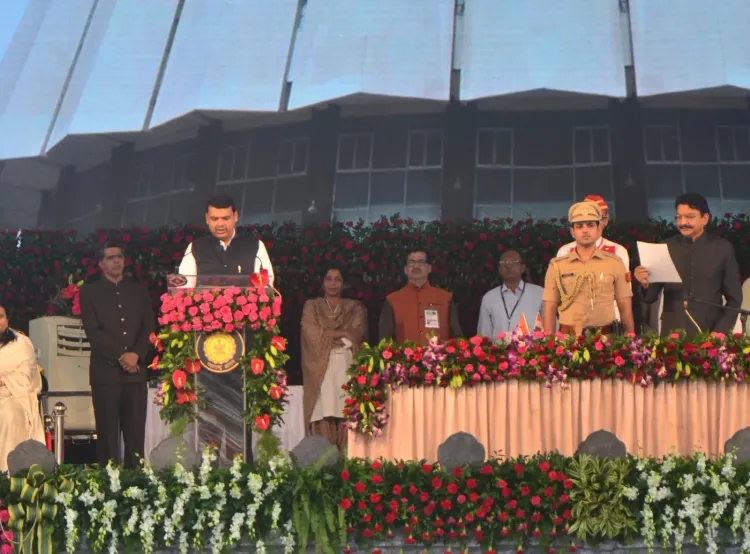
On the twelfth anniversary of his first oath as Maharashtra CM, Devendra Fadnavis witnessed a Guinness-certified Goda Maha-Aarti by 6,233 tribal devotees in Nashik and announced he will oversee MahaKumbh 2027 preparations.
Key Takeaways
31 October 2014 was the date Devendra Fadnavis first took oath as Maharashtra Chief Minister; the post marks the twelfth anniversary of that moment.
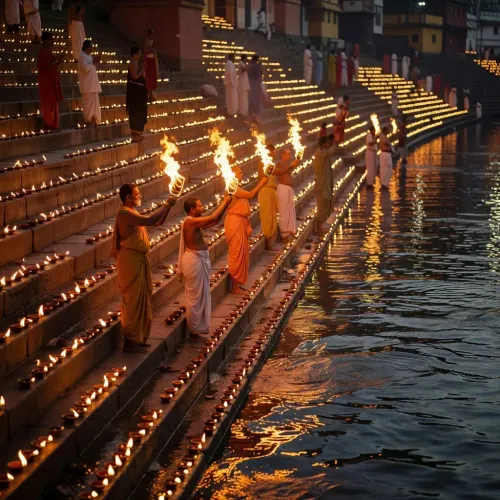
A Goda Maha-Aarti performed by 6,233 tribal participants on the Godavari riverfront in Nashik was certified by Guinness World Records .
Fadnavis is now set to oversee the Simhastha MahaKumbh 2027 in Nashik — the second Kumbh cycle of his tenure as CM.
The previous Nashik Simhastha Kumbh Mela was held in 2015 , also during Fadnavis's first term.
Tribal community inclusion in the Godavari Aarti reflects a broader state policy of integrating adivasi participation in the Kumbh's ceremonial events.
Infrastructure, security, and logistics planning for MahaKumbh 2027 are expected to accelerate following this milestone event.
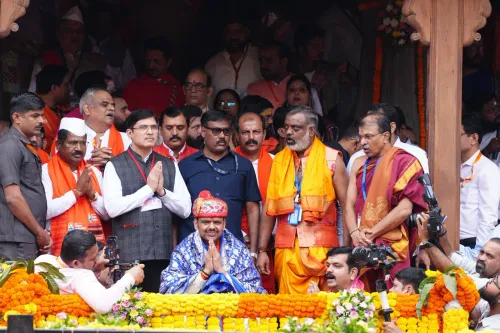
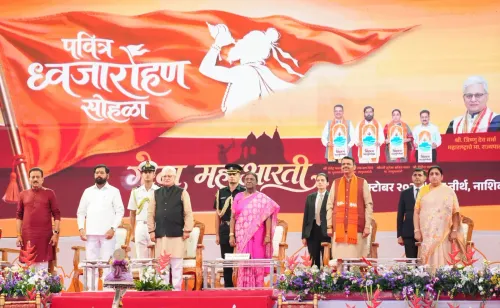
Twelve years to the day he first took oath as Maharashtra's Chief Minister, Devendra Fadnavis stood on the banks of the Godavari in Nashik on 31 October 2026 — and the river gave him a record to remember. A mass Goda Maha-Aarti performed by 6,233 tribal devotees was certified by Guinness World Records, turning a personal milestone into a moment of state-wide pride.
The oath of 2014 and the circle it closes
On 31 October 2014, Fadnavis was sworn in as Chief Minister for the first time — the youngest person to hold that office in Maharashtra's history. That first term coincided with the Simhastha Kumbh Mela of 2015 in Nashik, making him the chief minister who oversaw that edition of the sacred gathering. Now, twelve years on, he finds himself at the helm again as the state begins formal preparations for MahaKumbh 2027 — the next Simhastha cycle, held every twelve years when Jupiter enters Leo.
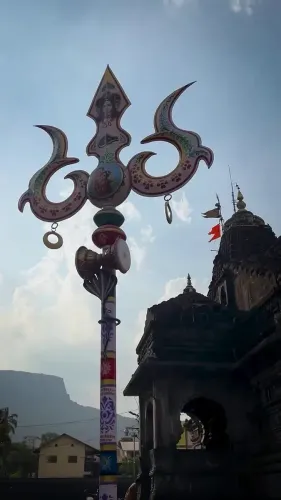
In his post, Fadnavis called the date 'माझ्या जीवनाची दिशा ठरवणारा सुवर्णक्षण' — 'the golden moment that set the direction of my life.' He attributed the honour of organising the Kumbh a second time to the blessings of Bhagwan Shri Tryambakeshwar, the ancient Shiva temple town that anchors Nashik's Kumbh rituals.
6,233 tribal voices, one Guinness record on the Godavari
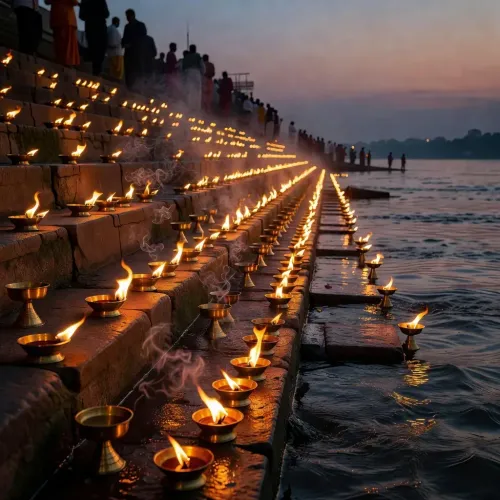
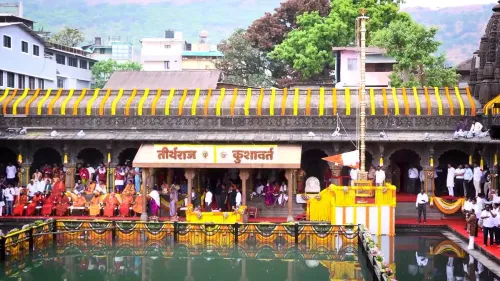
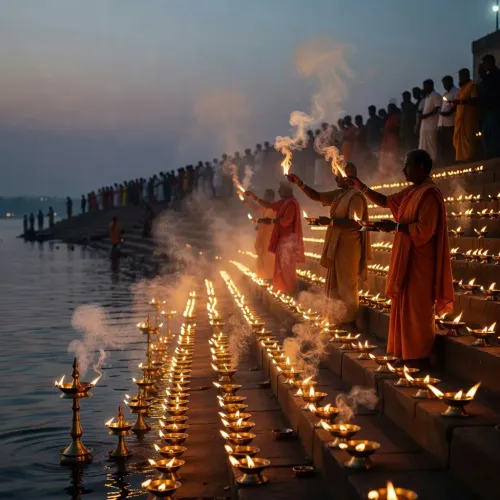
The centrepiece of the day was the Goda Maha-Aarti — a synchronised lamp-and-prayer ceremony on the Godavari riverfront. 6,233 tribal men and women from across Maharashtra gathered to perform it together, and the scale was enough for Guinness World Records to certify it as a world record. Fadnavis described the moment as 'कुंभनगरी नाशिकमध्ये आदिवासी बांधवांचा एकतेचा नाद' — 'the resonance of tribal unity in the Kumbh city of Nashik.'
The deliberate inclusion of tribal communities in a major Godavari ritual is consistent with a broader pattern in Maharashtra's Kumbh management: successive state governments have woven local adivasi participation into the ceremonial fabric of the event, both as cultural acknowledgement and as a show of social cohesion ahead of the pilgrimage season.
What the record signals for MahaKumbh 2027
The Nashik Simhastha draws millions of pilgrims and is one of the four rotating Kumbh Mela sites in India. With MahaKumbh 2027 now on the horizon, the state government's management machinery is expected to shift into higher gear — infrastructure upgrades, security frameworks, and pilgrim-flow logistics are all on the table. The Guinness certification event, staged on such a symbolically loaded date, reads as an early signal of the administration's intent to position this edition as a landmark one.
Fadnavis closed his message with a pledge of 'uninterrupted service' to the people of Maharashtra, signing off with the twin invocations 'Har Har Mahadev! Jai Maharashtra!' — a devotional and political rallying cry rolled into one. The kumbh city is already listening.
Point of View
And their visible role in a world-record religious event offers both cultural legitimacy and political capital. More broadly, the post signals that the BJP-led state government intends to make MahaKumbh 2027 a flagship governance showcase, much as the Prayagraj Maha Kumbh 2025 was used at the national level. The twelve-year symmetry between his first Kumbh and this one is too neat not to be a conscious narrative — expect it to recur in campaign messaging.
NationPress
1 Nov 2026
Frequently Asked Questions
When did Devendra Fadnavis first become Chief Minister of Maharashtra?
Devendra Fadnavis was first sworn in as Chief Minister of Maharashtra on 31 October 2014 , making him the youngest person to hold that office in the state's history.
What is the Goda Maha-Aarti Guinness World Record in Nashik?
The Goda Maha-Aarti is a mass lamp-and-prayer ceremony performed on the banks of the Godavari river in Nashik. On 31 October 2026 , 6,233 tribal participants performed it together and the event was certified by Guinness World Records as a world record.
When is the next Nashik Kumbh Mela (MahaKumbh 2027)?
The next Simhastha Mahakumbh in Nashik is scheduled for 2027 . The Nashik Kumbh is held every twelve years when Jupiter enters Leo; the previous edition was held in 2015 .
What is the significance of Tryambakeshwar for the Nashik Kumbh?
Tryambakeshwar is a temple town near Nashik housing one of the twelve Jyotirlinga shrines of Lord Shiva. It is the primary ritual anchor for the Simhastha Kumbh Mela, and pilgrims perform key bathing and prayer rites linked to this site during the Kumbh.
Why are tribal communities involved in the Nashik Kumbh Mela rituals?
Maharashtra state governments have historically integrated tribal (adivasi) communities into the Godavari Aarti and other Kumbh ceremonies as part of a broader policy of cultural inclusion. The region around Nashik has a significant tribal population, and their participation lends social breadth to the pilgrimage events.