Kerala CM Satheesan's maiden Budget: 'New Age Kerala' roadmap, ₹400 crore Mission Samudra
Synopsis
Kerala's new Chief Minister V.D. Satheesan walked a fiscal tightrope in his maiden Budget — acknowledging a ₹20,500 crore shortfall and KIIFB-linked imbalances while simultaneously unveiling Mission Samudra, a 10,000-MSME push, and a ₹25 lakh family health cover. The Budget is as much a political statement as a financial one: Satheesan is reframing Kerala's diaspora relationship from remittance dependency to active investment partnership.
Key Takeaways
Satheesan presented the revised Budget for 2026-27 on 19 June , his first since assuming office and the Finance portfolio.
The state faces a fiscal shortfall of ₹20,500 crore due to wrong estimation of the Centre's share in the previous Budget; the annual plan outlay of ₹35,000 crore will be proportionately reduced.
Mission Samudra , a maritime economy initiative, received ₹400 crore to integrate coastline, ports, and waterways; a shipbuilding centre is proposed at Vizhinjam .
The Budget allocates ₹100 crore to establish 10,000 MSMEs and creates an 'Invest Kerala Cell' to fast-track approvals.
Welfare commitments include free travel for women in KSRTC buses, higher ASHA worker honorariums, and a phased rise in welfare pensions from ₹2,000 to ₹3,000 .
An Oommen Chandy -named health scheme will provide ₹25 lakh health cover to all Kerala families.
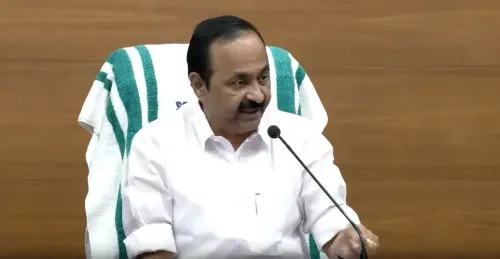
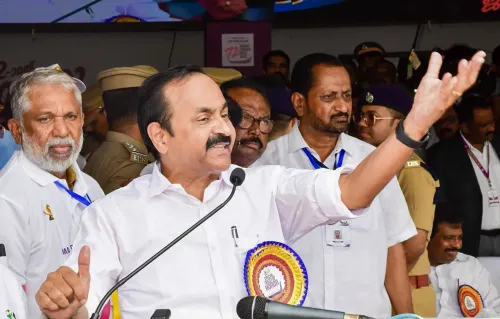
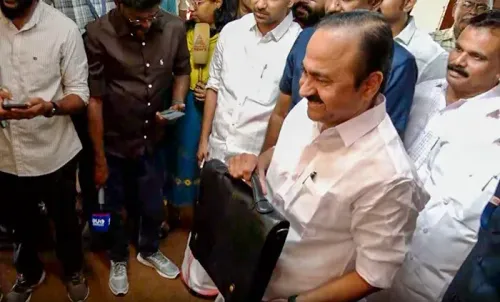
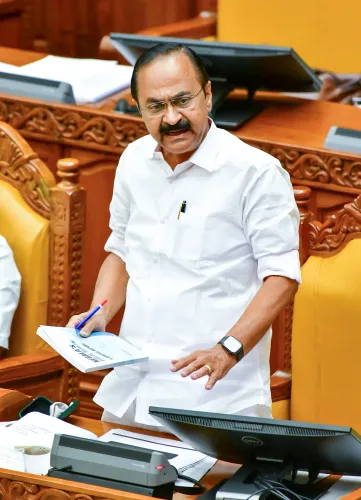
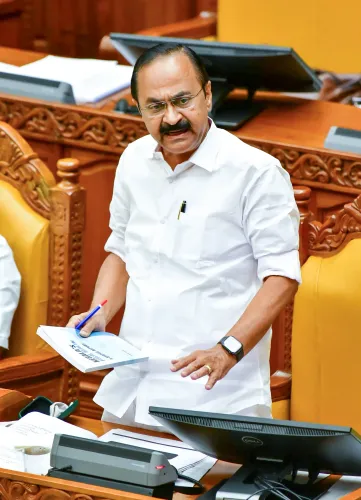
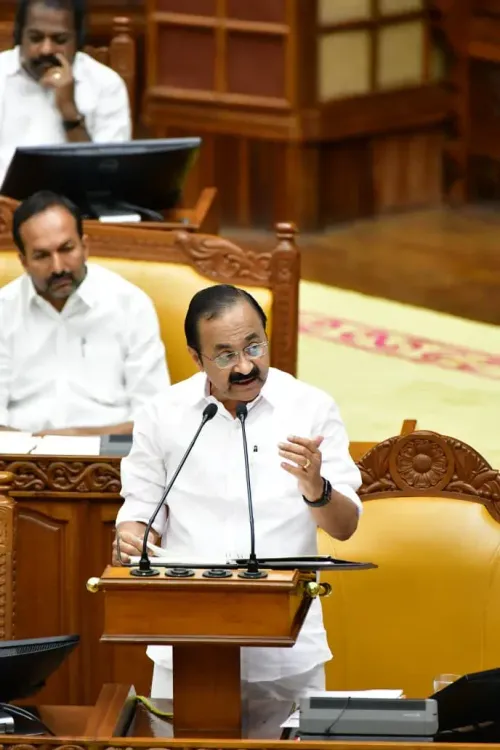
Kerala Chief Minister V.D. Satheesan on Friday, 19 June presented his maiden state Budget in the Kerala Legislative Assembly, unveiling a sweeping economic roadmap under the theme of 'Good Governance and Compassion'. The revised Budget for 2026-27, which Satheesan presented while also holding the Finance portfolio, commits the state to building a 'New Age Kerala' — balancing welfare continuity with an investment-first growth agenda.
A Historic First for Satheesan
Satheesan's Budget presentation marks a rare political milestone: he becomes only the third Chief Minister in Kerala's history to present a Budget while in office, after R. Sankar and Oommen Chandy. Having spent over two-and-a-half decades in the legislature, this was also his first ministerial assignment — he assumed the Finance portfolio alongside the Chief Minister's office.
Fiscal Stress at the Outset
Opening with figures from the White Paper on Kerala's financial position, Satheesan was candid about the state's fiscal challenges. He flagged that the Centre's share had been wrongly estimated in the previous Budget, leaving the state facing a shortfall of ₹20,500 crore. The annual plan outlay, set at ₹35,000 crore, will see a proportionate reduction as a result.
The Chief Minister also pointed to the Kerala Infrastructure Investment Fund Board (KIIFB) as a source of financial imbalance, announcing the formation of an expert committee to examine its functioning. An impending salary revision adds further pressure on state finances, he said.
Welfare Commitments Maintained
Despite the fiscal constraints, the government signalled continuity on social spending. Key welfare announcements include free travel for women in KSRTC buses, an increase in honorarium for ASHA workers, and a phased implementation of the manifesto promise to raise welfare pensions from ₹2,000 to ₹3,000.
A comprehensive health scheme named after former Chief Minister Oommen Chandy was also unveiled, which will extend a ₹25 lakh health cover to all families in the state.
Investment Push and Mission Samudra
On the growth side, the Budget allocated ₹100 crore to support the establishment of 10,000 MSMEs and announced the creation of an 'Invest Kerala Cell' to streamline approvals and resolve land acquisition delays for investors.
The centrepiece of the investment agenda is Mission Samudra — an ambitious ₹400 crore maritime economy initiative aimed at integrating Kerala's coastline, ports, and inland waterways. The project envisions transforming Kerala into a 'Port City', with a proposed shipbuilding centre at Vizhinjam and the development of Kollam, Beypore, and Azhikkal ports. A Kerala Maritime Policy is also on the agenda, alongside a Maritime Museum with a ₹50 crore allocation.
Airport infrastructure received ₹200 crore, with plans to integrate the growth of the state's four airports. A Global Convention Centre near Cochin International Airport was also announced. Other new institutions include a Kerala School of Architecture and Planning and Design and an international football stadium.
Diaspora as Investment Partners
Satheesan made a pointed appeal to the Kerala diaspora, arguing that remittances alone can no longer sustain the state's economic ambitions. 'Now we are seeking their support to turn our state into an investment economy,' he said, signalling a strategic shift in how the government intends to engage Non-Resident Keralites going forward.
With fiscal stress as the backdrop and a wide-ranging reform agenda on the table, Satheesan's debut Budget sets the terms of the economic debate Kerala will navigate over the next year.
Point of View
Long celebrated as Kerala's off-balance-sheet infrastructure engine, has created 'financial imbalance' serious enough to warrant an expert committee. That is a significant concession from a government that inherited the model from its predecessor. The ₹20,500 crore Centre-share shortfall also raises accountability questions about the previous Budget's assumptions. The Mission Samudra vision is ambitious, but Kerala's track record of converting port and maritime announcements into operational infrastructure has been uneven. The diaspora pivot — from remittance economy to investment economy — is the right instinct, but it requires regulatory ease and project credibility that the Invest Kerala Cell alone cannot guarantee.
NationPress
19 Sept 2026
Frequently Asked Questions
What is Kerala CM Satheesan's maiden Budget about?
Kerala Chief Minister V.D. Satheesan presented the revised Budget for 2026-27 on 19 June, themed around 'Good Governance and Compassion'. It aims to build a 'New Age Kerala' by balancing welfare spending with an investment-driven growth agenda, even as the state grapples with a ₹20,500 crore fiscal shortfall.
What is Mission Samudra announced in the Kerala Budget?
Mission Samudra is a ₹400 crore maritime economy initiative that seeks to integrate Kerala's coastline, ports, and inland waterways into a unified network. It includes plans for a shipbuilding centre at Vizhinjam and the development of Kollam, Beypore, and Azhikkal ports, with a Kerala Maritime Policy to follow.
What welfare measures were announced in the Kerala Budget 2026-27?
The Budget commits to free travel for women in KSRTC buses, an increased honorarium for ASHA workers, and a phased hike in welfare pensions from ₹2,000 to ₹3,000. An Oommen Chandy-named health scheme will also extend ₹25 lakh health cover to all families in the state.
Why is Kerala facing a ₹20,500 crore fiscal shortfall?
Chief Minister Satheesan stated that the Centre's share of funds was wrongly estimated in the previous Budget, resulting in a shortfall of ₹20,500 crore. This will lead to a proportionate reduction in the annual plan outlay, which was fixed at ₹35,000 crore.
What investment measures did the Kerala Budget 2026-27 announce?
The Budget allocated ₹100 crore to help establish 10,000 MSMEs and announced an 'Invest Kerala Cell' to remove hurdles around land acquisition and regulatory approvals. A Global Convention Centre near Cochin International Airport and ₹200 crore for airport development were also announced.