PM Vishwakarma scheme: Vidisha tops MP in loan sanctions
Synopsis
Vidisha has quietly become Madhya Pradesh's top performer on PM Vishwakarma loan sanctions, with ₹9.58 crore disbursed to 1,136 artisans. Some beneficiaries say they are now hiring two to four workers each. The scheme may be creating small local jobs, not just keeping traditional crafts alive.
Key Takeaways
Vidisha ranks first in Madhya Pradesh by percentage of loan sanctions under the PM Vishwakarma Yojana .
Applications of 3,317 artisans approved; 2,596 have completed basic skill training across 17 trades .
Loans worth ₹9.58 crore disbursed to 1,136 trained artisans.
Beneficiaries get a ₹4,500 stipend, a ₹15,000 toolkit and collateral-free loans of up to ₹1 lakh at 5% , with a second tranche of up to ₹2 lakh .
Digital payments earn Re 1 per transaction, capped at 100 a month.
Collector Anshul Gupta said beneficiaries are selected through Gram Panchayats .
The Pradhan Mantri Vishwakarma Yojana has helped Vidisha district in Madhya Pradesh rank first in the state by percentage of loan sanctions under the scheme, according to district officials. As of 28 November 2026, applications from 3,317 artisans have been approved. Loans worth ₹9.58 crore have been disbursed to 1,136 trained beneficiaries.
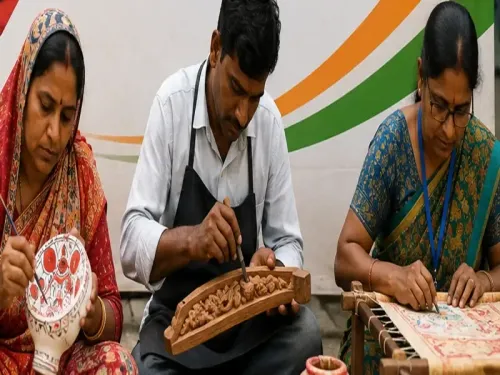
The scheme combines skill training, modern toolkits and low-cost credit. For many traditional craftsmen in the district, it is reportedly becoming a key source of livelihood and business growth.
Key Numbers from Vidisha
According to district officials, 2,596 beneficiaries have completed basic skill training. The training was delivered through Government ITI Vidisha and other authorised institutions.
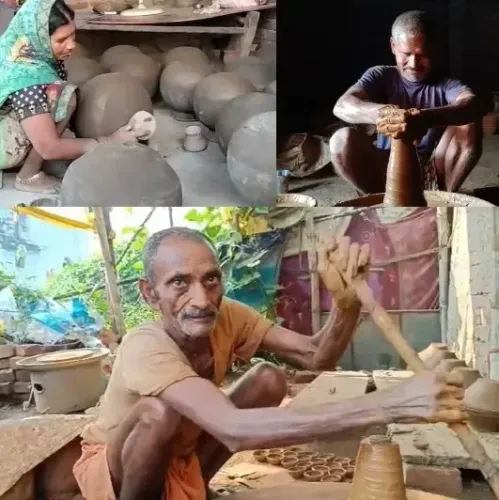
It covers 17 traditional trades, including carpentry, masonry, barbering, blacksmithing, garland making, pottery, goldsmithing, cobbling and sculpture.
Notably, only about a third of the approved applicants have received loans so far: 1,136 out of 3,317. Even so, Vidisha leads Madhya Pradesh on the loan-sanction percentage metric.
What Beneficiaries Receive
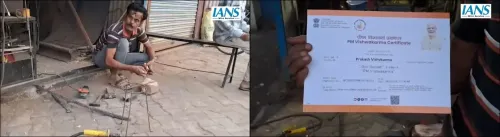
Each beneficiary gets five to seven days of basic skill training and a stipend of ₹4,500. They also receive a modern toolkit worth ₹15,000, meant to improve the quality and efficiency of their work.
Credit is the scheme's other major component. Artisans can take a collateral-free loan of up to ₹1 lakh in the first tranche, repayable over 18 months at an interest rate of 5 per cent.
After repaying that loan and completing 15 days of advanced training, they can apply for a second loan of up to ₹2 lakh.
The scheme also rewards digital payments with Re 1 per eligible transaction, capped at 100 transactions a month. Support is also available for product branding, marketing and access to wider markets.
What the District Administration Said
Vidisha Collector Anshul Gupta described the PM Vishwakarma Yojana as a unique and ambitious initiative. He said it is aimed at artisans who have carried on traditional occupations across generations.
Gupta said beneficiaries are selected through Gram Panchayats. Selected artisans then receive trade-specific training, financial assistance and toolkits. He added that artisans from rural and semi-urban areas have taken part actively.
Impact on Local Artisans
Several beneficiaries say the scheme has had a measurable effect on their businesses.
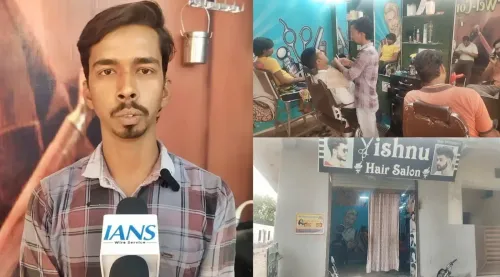
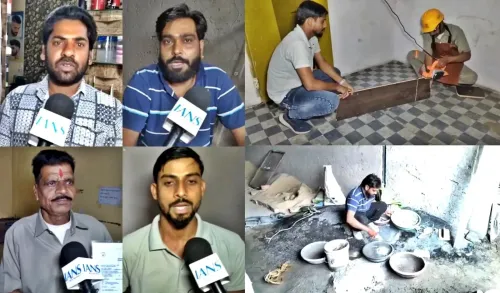
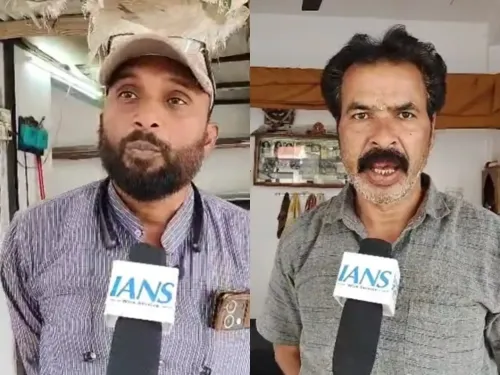
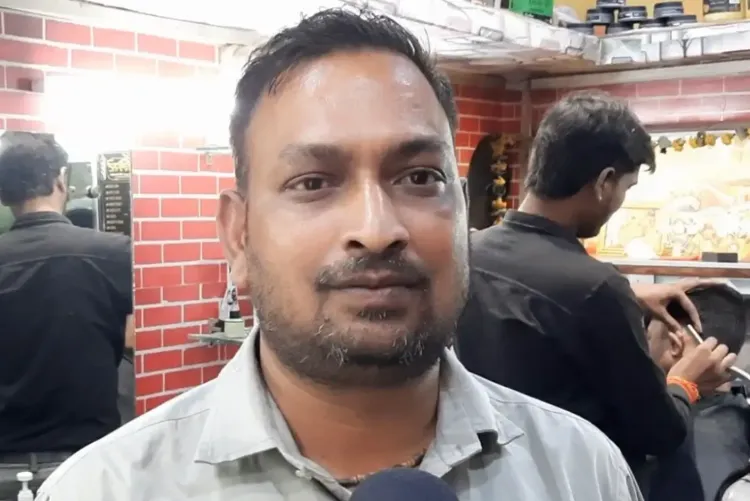
- Rakesh Sen said the loan, training and toolkit helped him run his shop better and expand his business. He has since hired two additional workers.
- Lakhan Vishwakarma said financial assistance of ₹2 lakh and modern tools made it easier to buy materials and grow his work. His business now employs four people.
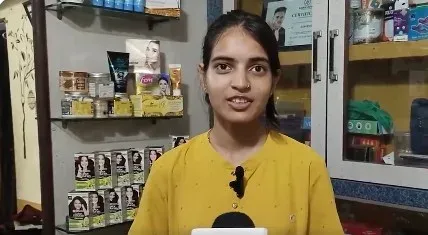
- Pradeep Sen said the loan helped him buy essential shop materials. He added that the training improved his skills and raised his earnings.
- Woodworker Siyaram Vishwakarma said the assistance, tools and training introduced him to better techniques. He said this made furniture work easier and helped his business grow.
Several of these beneficiaries report taking on extra workers. That suggests the scheme's effect may extend beyond individual artisans to small-scale local employment.
The next test for Vidisha is whether more of its trained artisans repay their first loans on time. Those who do become eligible for the larger ₹2 lakh second tranche, which will show whether the early gains can be sustained.
Point of View
But the conversion gap deserves attention: barely a third of approved artisans have actually received credit. The scheme's real promise lies in the second ₹2 lakh tranche, which depends on repayment discipline and advanced training. So far, neither has been reported at scale. Beneficiary stories of hiring two to four workers are encouraging, but anecdotes are not data. The district should publish repayment and employment figures if it wants its success to become a template for the state.
NationPress
28 Nov 2026
Frequently Asked Questions
What is the PM Vishwakarma Yojana?
It is a central scheme that supports traditional artisans and craftsmen through skill training, modern toolkits, collateral-free loans and marketing assistance. In Vidisha, it covers 17 trades including carpentry, pottery, blacksmithing and goldsmithing.
How much loan can artisans get under PM Vishwakarma?
Artisans can get a collateral-free loan of up to ₹1 lakh in the first tranche for 18 months at 5% interest. After repaying it and completing 15 days of advanced training, they can become eligible for a second loan of up to ₹2 lakh.
Why is Vidisha in the news for PM Vishwakarma?
Vidisha has secured the first position in Madhya Pradesh in terms of the percentage of loan sanctions under the scheme. Loans worth ₹9.58 crore have been disbursed to 1,136 trained artisans in the district.
What benefits do trainees receive under the scheme?
Trainees receive five to seven days of basic skill training, a stipend of ₹4,500 and a modern toolkit worth ₹15,000. They also get Re 1 per eligible digital transaction, up to 100 transactions a month.
How are beneficiaries selected in Vidisha?
According to Vidisha Collector Anshul Gupta, beneficiaries are selected through Gram Panchayats. Artisans from rural and semi-urban areas have actively participated.