Vietnam's Health Ministry Issues Warning About Rising Dengue Fever Cases
Synopsis
As dengue fever cases surge in Vietnam, with nearly 32,000 infections reported this year, health officials warn of potential increases. Early hot weather and mosquito breeding conditions are at play. Stay informed about prevention and treatment options.
Key Takeaways
Vietnam has reported nearly 32,000 dengue cases in 2023.
Four fatalities have been confirmed so far this year.
The majority of cases are in southern regions.
Dengue is a viral infection spread by mosquitoes.
Prevention is crucial to control the outbreak.
Hanoi, April 14 (NationPress) – The Ministry of Health in Vietnam has issued a warning about a potential increase in dengue fever cases, reporting a total of 31,927 infections and four fatalities since January, as reported by local daily Nhan Dan. The majority of these cases are found in the southern regions of the country.
This alert coincides with the arrival of hot and humid weather, irregular rainfall, and conditions that are conducive for mosquito breeding.
Vo Hai Son, the deputy director of the Vietnam Administration of Disease Prevention, indicated that without strict and consistent enforcement of prevention and control measures, the number of infections is likely to rise further, as reported by Xinhua.
The health authorities are collaborating with local governments to monitor outbreaks and enhance public awareness on prevention strategies.
In 2025, Vietnam recorded over 181,000 cases of dengue fever, resulting in 36 deaths.
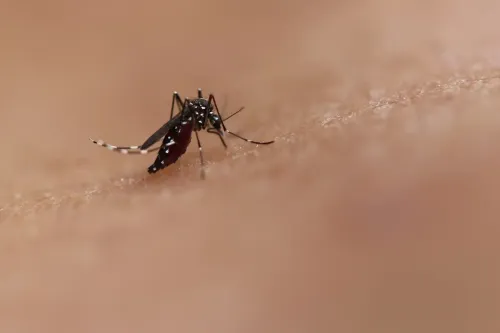
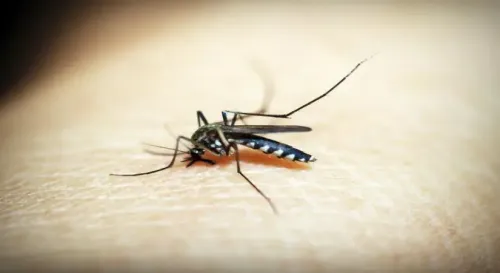
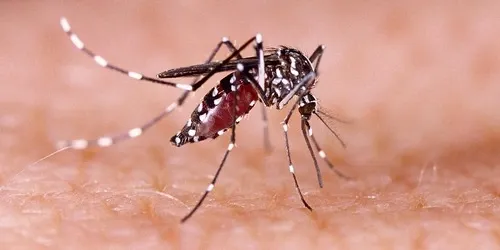
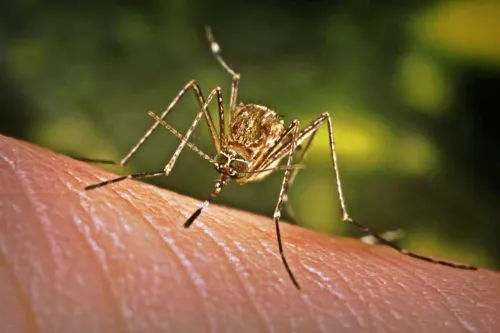
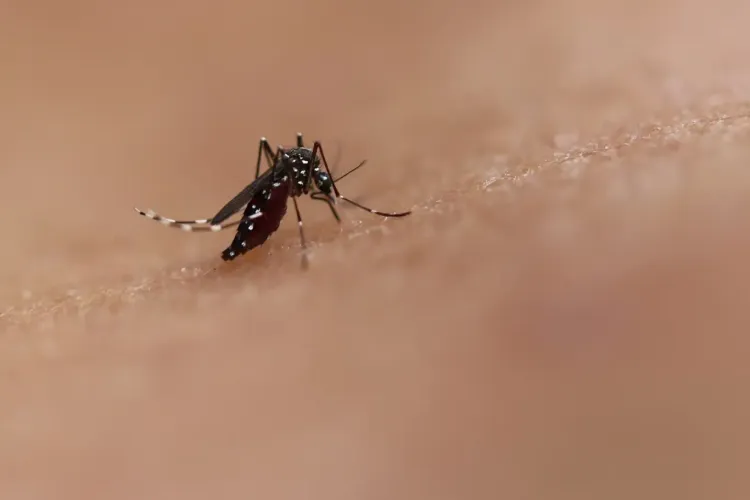
Dengue, often referred to as break-bone fever, is a viral disease transmitted from mosquitoes to humans, predominantly affecting tropical and subtropical regions.
While most individuals infected with dengue do not exhibit symptoms, common indicators for symptomatic patients include high fever, headaches, body pain, nausea, and rashes. Most recover within 1 to 2 weeks, but some may experience severe forms of the disease requiring hospitalization.
Severe dengue can be life-threatening.
To reduce your risk of dengue, it is essential to avoid mosquito bites, particularly during daylight hours.
Currently, there is no specific treatment for dengue; management focuses on alleviating symptoms. Individuals experiencing a second dengue infection are at a higher risk of severe illness. Symptoms of severe dengue typically appear after the fever subsides and may include severe abdominal pain, persistent vomiting, rapid breathing, bleeding from gums or nose, and extreme fatigue.
Globally, the incidence of dengue has surged dramatically over the past few decades, with reported cases to the WHO increasing from 505,430 in 2000 to 14.6 million in 2024. The majority of cases are either asymptomatic or mild, leading to underreporting.
The year 2024 witnessed an unprecedented number of dengue cases, affecting over 100 nations and culminating in more than 12,000 deaths related to the disease. The Americas region contributed significantly, with over 13 million cases reported to the WHO.
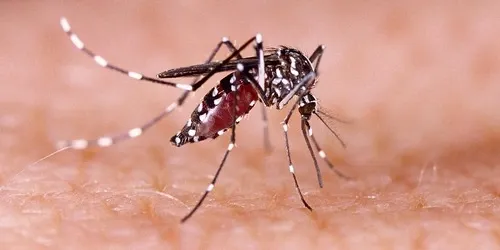
Factors contributing to the heightened risk of dengue spread include the changing distribution of the primary vectors (mainly Aedes aegypti and Aedes albopictus), climate change effects such as rising temperatures, increased rainfall and humidity, vulnerabilities in health systems, and socio-political instabilities in regions facing humanitarian crises.
Point of View
It's essential to highlight the urgency of Vietnam's dengue fever situation. With health authorities on high alert, the focus is on both prevention and public awareness to combat this growing health threat.
NationPress
2 Oct 2026
Frequently Asked Questions
What is dengue fever?
Dengue fever, often called break-bone fever, is a viral infection transmitted by mosquitoes, primarily affecting tropical and subtropical regions.
What are the symptoms of dengue?
Common symptoms include high fever, headaches, body aches, nausea, and rashes. Severe cases may require hospitalization.
How can I prevent dengue?
To reduce the risk of dengue, avoid mosquito bites, especially during the day, and eliminate stagnant water where mosquitoes breed.
Is there a specific treatment for dengue?
Currently, there is no specific treatment for dengue; management focuses on symptom relief.
Why is the incidence of dengue increasing globally?
The rise in dengue cases is attributed to factors like climate change, urbanization, and the spread of mosquito vectors.