Is Vietnam Facing a Continuing Dengue Fever Outbreak?

Synopsis
Vietnam's Ministry of Health has raised alarms about a troubling dengue situation that could extend into 2026, following record case counts and fatalities. Experts stress the importance of preparedness and ongoing preventive measures in combating the virus.
Key Takeaways
Vietnam is facing a prolonged dengue outbreak.
Record cases and fatalities were reported in 2025.
Preparation for prevention measures is essential for 2026.
Dengue is transmitted via mosquitoes.
Awareness of symptoms can save lives.
Hanoi, Jan 8 (NationPress) The Ministry of Health in Vietnam has issued a warning regarding a complex dengue situation, indicating the potential for a prolonged outbreak, as reported by the Vietnam News Agency on Thursday.
In 2025, the nation documented over 181,000 cases of dengue fever, resulting in 36 fatalities, according to the ministry.
Nguyen Trong Khoa, the deputy director of the ministry's Department of Medical Service Administration, expressed concern that this outbreak may persist into 2026.
He urged localities not to become complacent, emphasizing the need for preparation in dengue prevention and control measures for the coming year.
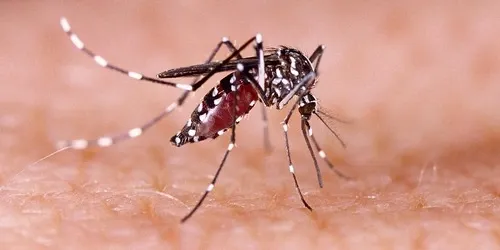
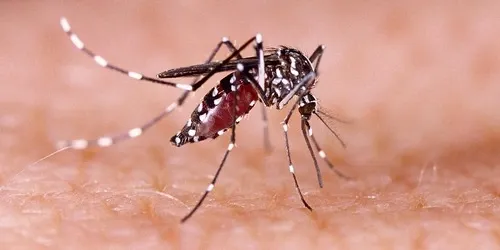
Dengue, commonly known as break-bone fever, is a viral infection transmitted through mosquitoes. It is prevalent in tropical and subtropical regions rather than temperate climates.
While many individuals infected with dengue experience no symptoms, those who do typically suffer from high fever, headaches, body aches, nausea, and rashes. Most recover within 1 to 2 weeks, but some may develop severe dengue requiring hospitalization.
In critical cases, dengue can lead to death.
The risk of contracting dengue can be reduced by avoiding mosquito bites, especially during daylight hours.
Currently, there is no specific treatment for dengue, and management focuses on alleviating pain.
Individuals infected for a second time face a higher risk of severe dengue. Symptoms of severe dengue often emerge after the fever subsides and can include severe abdominal pain, persistent vomiting, rapid breathing, bleeding gums or nose, and fatigue.
The global incidence of dengue has surged dramatically in recent decades, with the number of cases reported to the WHO escalating from 505,430 cases in 2000 to 14.6 million in 2024. The majority of cases are either asymptomatic or mild and self-managed, leading to under-reporting of actual numbers. The disease is now endemic in over 100 countries.
In 2024, a record number of dengue cases were reported within a 12-month period, impacting more than 100 countries across all continents. Ongoing transmission, combined with an unexpected spike in cases, resulted in over 14.6 million cases and more than 12,000 dengue-related deaths reported. The Region of the Americas accounted for a significant portion of this global burden, with over 13 million cases reported to WHO.
Several factors contribute to the increased risk of dengue transmission, including the changing distribution of the vectors (primarily Aedes aegypti and Aedes albopictus), particularly in regions that were previously free of dengue; climate change leading to rising temperatures, increased rainfall, and humidity; overburdened health systems; limited surveillance and reporting capabilities; and political and financial instability in countries facing humanitarian crises and significant population movements.
Point of View
We must highlight the urgency of the ongoing dengue outbreak in Vietnam. This situation requires a dedicated national approach to prevention and care, emphasizing the need for public awareness and health system preparedness.
NationPress
9 Oct 2026
Frequently Asked Questions
What is dengue fever?
Dengue fever is a viral infection spread by mosquitoes, often causing high fever, headaches, body aches, and nausea, with severe cases requiring hospitalization.
How can I prevent dengue?
Preventing dengue involves avoiding mosquito bites, especially during the day, and eliminating stagnant water where mosquitoes breed.
What are the symptoms of severe dengue?
Symptoms of severe dengue may include severe abdominal pain, persistent vomiting, rapid breathing, bleeding gums or nose, and extreme fatigue.
Is there a cure for dengue fever?
Currently, there is no specific cure for dengue fever; treatment focuses on pain management and hydration.
Why is the dengue outbreak increasing?
The increase in dengue outbreaks can be attributed to climate change, changing mosquito populations, and under-resourced healthcare systems.