Indian Army's Western Command marks 80th Raising Day at Chandimandir
Synopsis
Eighty years after its formal constitution, the Indian Army's Western Command — forged in the crucible of four wars and now battle-tested in Operation Sindoor — marked its Raising Day at Chandimandir with a tribute that counted 11 Param Vir Chakras among its honours. From the Kitchener Reforms of 1905 to AI-era warfare, the command's arc is one of India's most consequential military stories.
Key Takeaways
Western Command marked its 80th Raising Day at Chandimandir on 15 September 2026 .
Lt Gen Pushpendra Singh and former Army Chief Gen V.P.
Malik laid wreaths at the Veer Smriti War Memorial .
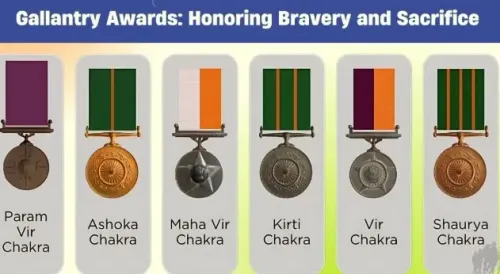
The command has earned 11 Param Vir Chakras , 1 Ashoka Chakra and 143 Maha Vir Chakras across its history.
The command played a key role in Operation Sindoor along the Western Front and in humanitarian relief during Operation Rahat (2025) .
Western Command originated as the Delhi and East Punjab Command in September 1947 , evolving to its current form in January 1948 .
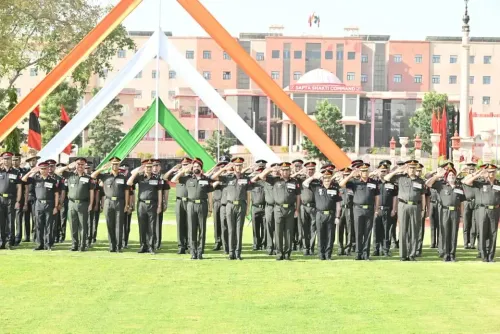
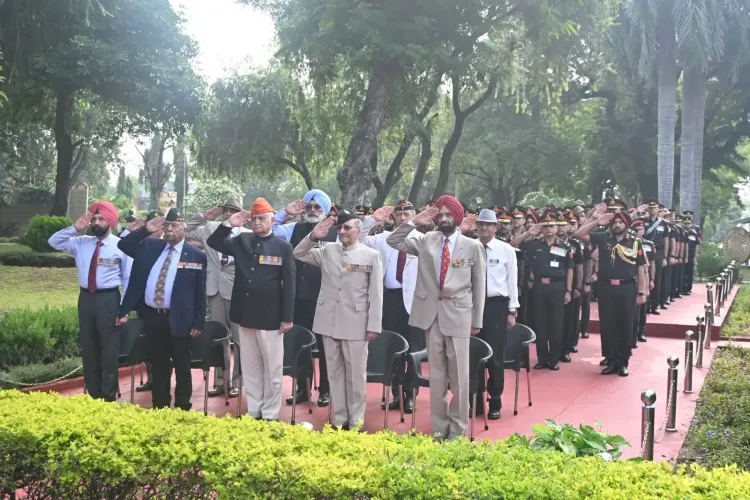
The Western Command of the Indian Army on Tuesday, 15 September 2026, marked its 80th Raising Day at Chandimandir, honouring eight decades of distinguished service, valour and sacrifice along the nation's western frontiers. The solemn commemoration brought together serving officers and veterans to pay homage to those who gave their lives in the line of duty.
Wreath-Laying and Tributes at Veer Smriti
Lieutenant General Pushpendra Singh, General Officer Commanding-in-Chief, Western Command, laid a wreath at the Veer Smriti War Memorial, paying personal homage to the fallen heroes. General V.P. Malik, former Chief of the Army Staff, also laid a wreath and joined in the tribute, underscoring the command's enduring connection to its illustrious legacy.
Eight Decades of History
The roots of Western Command trace back to the reorganisation of the Indian Army under the Kitchener Reforms of 1905. Following Independence and Partition, the eastern portion of the erstwhile Northern Army was reconstituted as the Delhi and East Punjab Command in September 1947, which subsequently evolved into Western Command in January 1948. Over the decades, the command has played a decisive role in the wars of 1947–48, 1962, 1965 and 1971, as well as in numerous subsequent operations.
Operation Sindoor and Operation Rahat: Recent Tests of Readiness
Most recently, during Operation Sindoor, Western Command demonstrated exemplary operational readiness, professionalism and joint synergy in executing assigned tasks along the Western Front. Its capabilities were equally on display during Operation Rahat in 2025, when the command swiftly mobilised resources for humanitarian assistance and disaster relief, providing timely rescue and support to affected communities. Together, these operations reflect the command's ability to remain, as officials put it, 'decisive in operations and compassionate in service.'
A Legacy Counted in Gallantry Awards
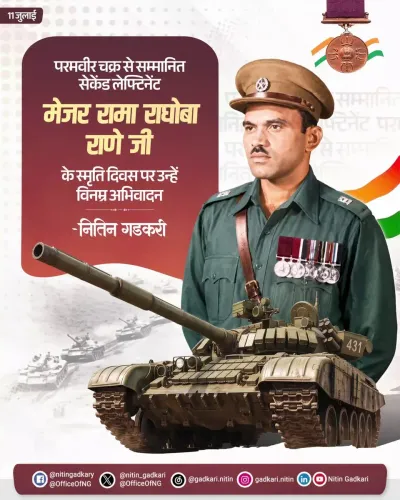
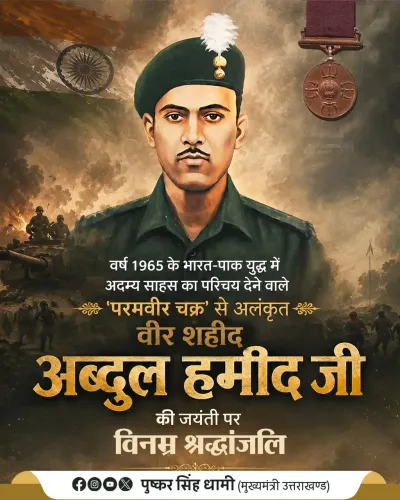
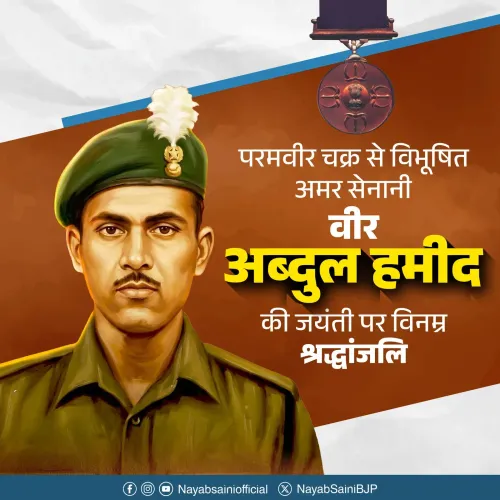
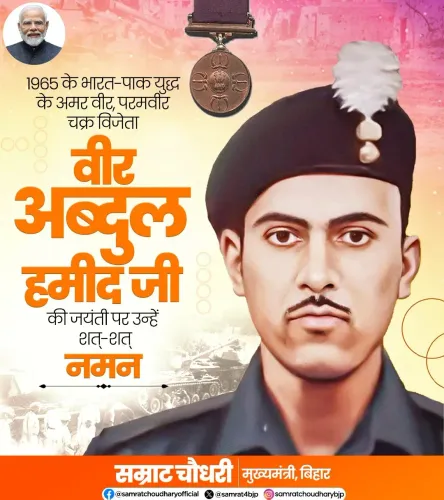
The command's battle honours are etched in its gallantry record: its warriors have collectively earned 11 Param Vir Chakras, 1 Ashoka Chakra and 143 Maha Vir Chakras, besides numerous other gallantry and distinguished service awards. These honours, officials noted, continue to inspire successive generations of soldiers.
Transformation Into a Modern, Technology-Enabled Force
Veterans who served in Western Command recalled the command's steady evolution. Wing Commander H.S. Gill (retd), a Chandigarh-based veteran who retired from the Advance Headquarters Air Force — then part of Western Command — in May 1995 after 30 years of service in the Indian Air Force, recalled the era fondly. 'Those were the good old days,' he said. Over the intervening decades, Western Command has progressively transformed into a modern, agile, technology-enabled and combat-ready force, with capability enhancement, technological absorption, realistic training and resilient infrastructure underpinning its continued growth. Drawing strength from its rich legacy, the command remains firmly focused on future operational challenges along the western frontiers.
Point of View
Which gave Western Command its most visible recent operational test and elevated public scrutiny of India's western military preparedness. The command's roll-call of 11 Param Vir Chakras is a reminder that its legacy was built in wars, not peacetime parades. What the anniversary does not resolve is the question of how a force steeped in conventional warfare doctrine is pacing its adaptation to drone warfare, electronic warfare and the joint-theatre model the Indian military has been debating for years. The reference to 'technological absorption and jointmanship' in official remarks is directionally right — but the pace of that transformation will matter more than the milestone count.
NationPress
15 Sept 2026
Frequently Asked Questions
What is Western Command's 80th Raising Day?
The 80th Raising Day marks eight decades since the formal constitution of the Indian Army's Western Command, observed on 15 September 2026 at Chandimandir. The command was established as the Delhi and East Punjab Command in September 1947 and took its current form in January 1948.
Where is Western Command headquartered?
Western Command is headquartered at Chandimandir, near Chandigarh. It is responsible for defending India's western frontiers and has been operationally active in all major conflicts since Independence.
What role did Western Command play in Operation Sindoor?
During Operation Sindoor, Western Command demonstrated operational readiness, professionalism and joint synergy in executing assigned tasks along the Western Front, according to official accounts. The operation is among the command's most recent high-profile deployments.
How many gallantry awards has Western Command earned?
Western Command's soldiers have collectively earned 11 Param Vir Chakras, 1 Ashoka Chakra and 143 Maha Vir Chakras, in addition to numerous other gallantry and distinguished service awards across its 80-year history.
What is the historical origin of Western Command?
Western Command traces its origins to the Kitchener Reforms of 1905. After Independence and Partition, the eastern portion of the erstwhile Northern Army was reorganised as the Delhi and East Punjab Command in September 1947, which formally became Western Command in January 1948.