Yadadri 4,000 MW plant nears full capacity as fifth unit targets December
Synopsis
After years of pandemic delays, environmental hurdles, and coal supply breakdowns, Telangana's 4,000 MW Yadadri Thermal Power Station is finally within reach of full capacity — with the fifth and last 800 MW unit set for commercial production in December. Four coal supply lines have been restored, 4.26 lakh metric tonnes sourced from Naini, and new agreements locked in with MCL and SECL. Full power by Rabi season is now a realistic target.
Key Takeaways
Yadadri Thermal Power Station's fifth unit is scheduled to begin commercial production in December 2026 , completing the plant's full 4,000 MW capacity.
The fifth unit was connected to the grid on 20 October 2026 ; four units are already in commercial production.
Four coal supply lines have been restored, delivering 3,200 tonnes of coal per hour in total.
4.26 lakh metric tonnes of coal have been transported from the Naini coal mine (SCCL); agreements for 4.6 lakh tonnes more from MCL and SECL were signed on 4 November .
The project overcame delays caused by the COVID-19 pandemic , forest and railway land disputes, and National Green Tribunal directives; work resumed in February 2024 .
Full capacity is targeted in time for Telangana's Rabi season , reducing dependence on costly short-term power purchases.
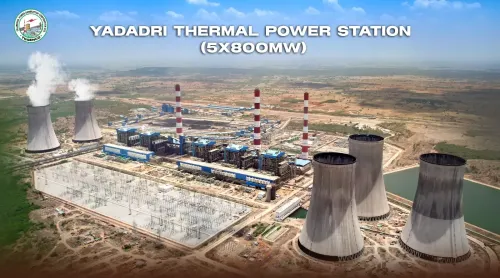
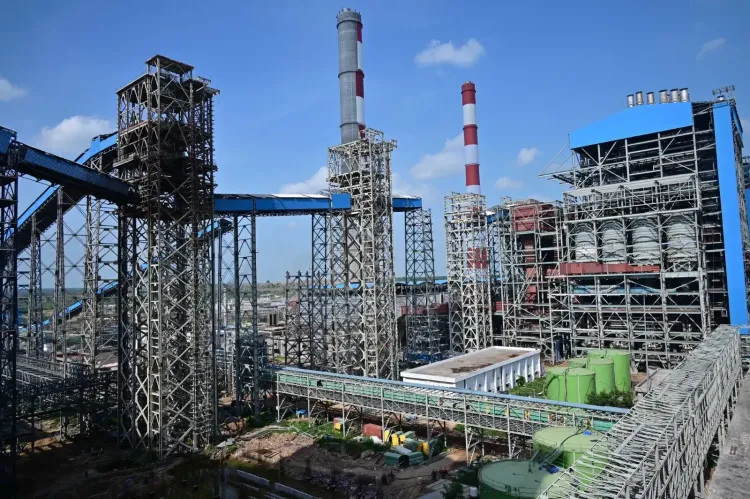
Telangana's Yadadri Thermal Power Station, a 4,000 MW mega-project, is on course to achieve full operational capacity by the upcoming Rabi season, with the fifth and final 800 MW unit scheduled to commence commercial production in December 2026, officials confirmed on Tuesday, 17 November. The Telangana Power Generation Corporation (TGGENCO) has rolled out a comprehensive action plan to resolve coal supply bottlenecks and ensure all five units run at peak output.
Where the Plant Stands Now
Four of the five 800 MW units at Yadadri are already in commercial production. The fifth unit was successfully synchronised to the grid on 20 October, clearing the final technical hurdle before commercial launch. With that milestone achieved, the station now awaits full coal supply stabilisation to unlock the complete 4,000 MW generating potential.
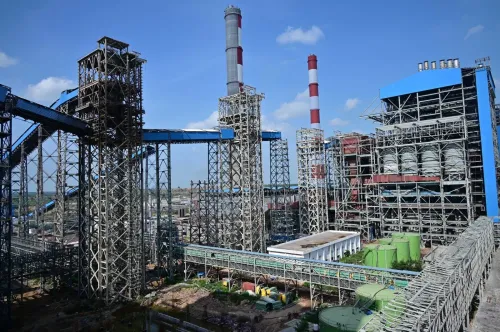
At the plant site, core systems — including the boiler, turbine, and generator — along with ash handling and water supply infrastructure are reported to be functioning satisfactorily. The primary challenge identified by the government involved technical faults within the coal handling plant, which have been the subject of a focused remediation drive.
Coal Supply Crunch: What Was Done
Following directives from Chief Minister Revanth Reddy and under the guidance of Deputy Chief Minister Bhatti Vikramarka, a high-level joint team from BHEL and TGGENCO — led by the Special Chief Secretary of the Energy Department — camped at the Yadadri site to conduct on-ground inspections and formulate targeted solutions.
As a result of these interventions, four coal supply lines have been restored, delivering a combined capacity of 3,200 tonnes of coal per hour — averaging 800 tonnes per hour per line. This restoration has measurably reduced supply disruptions and improved overall plant performance.
To ensure uninterrupted coal flow, the government has arranged for three to four rakes of coal daily from the Naini coal mine, operated by SCCL. So far, 4.26 lakh metric tonnes of coal have been transported from that source to the Yadadri plant. Additionally, agreements were finalised on 4 November to procure 4.6 lakh tonnes of coal from MCL and SECL, and transportation from these sources has already commenced.
A Project That Overcame Years of Setbacks
The Yadadri project has had a prolonged and turbulent journey. Construction was disrupted by the COVID-19 pandemic, compounded by disputes over forest clearances, railway land acquisition, and directives from the National Green Tribunal (NGT) relating to environmental clearances. Work eventually ground to a halt before the state government intervened with renewed urgency.
Fresh environmental impact assessment studies and public consultations were conducted, and construction formally resumed in February 2024. This comes amid Telangana's broader push to reduce dependence on power purchases from the central grid and improve supply reliability for farmers during the Rabi crop season.
Significance for Telangana's Power Sector
Once fully operational, Yadadri is set to become one of Telangana's most significant baseload power assets. The state has long grappled with peak-hour deficits, particularly during agricultural seasons when irrigation demand surges. TGGENCO has indicated that the plant's full capacity will be critical to meeting Rabi season demand without resorting to costly short-term power purchases.
Industry observers note that Yadadri's commissioning, if on schedule, would also provide a template for the state's future thermal expansion plans. With long-term coal supply arrangements now in place through multiple domestic mining companies, the operational risk profile has improved compared to earlier this year.
All eyes are now on December 2026, when the fifth unit's commercial production is expected to bring Telangana's most ambitious power project to its full 4,000 MW potential.
Point of View
But the project's tortured timeline — pandemic, NGT orders, forest and railway land disputes, and persistent coal handling failures — raises legitimate questions about Telangana's project execution capacity. The fix so far is largely reactive: high-level teams camping on-site, emergency coal procurement, and line-by-line restoration. A plant of this scale should not require the Chief Minister and Deputy Chief Minister to personally intervene in coal conveyor repairs. The more important test arrives this Rabi season: if all five units hold their rated output under sustained agricultural load, it will validate the investment; if coal shortfalls recur, the state's power self-sufficiency narrative will look premature.
NationPress
17 Nov 2026
Frequently Asked Questions
When will Yadadri Thermal Power Station achieve full 4,000 MW capacity?
The fifth and final unit is expected to begin commercial production in December 2026, which will bring the Yadadri Thermal Power Station to its full 4,000 MW capacity. TGGENCO is targeting this milestone ahead of the Rabi season to meet peak agricultural electricity demand.
How many units at Yadadri are currently operational?
Four of the five 800 MW units at Yadadri are already in commercial production. The fifth unit was connected to the state grid on 20 October 2026 and is being prepared for commercial operation in December.
What caused delays in the Yadadri power project?
The project was held up by multiple factors including the COVID-19 pandemic, disputes over forest clearances and railway land, and directives from the National Green Tribunal on environmental clearances. Fresh environmental impact assessments and public consultations were completed before work resumed in February 2024.
What is being done to fix coal supply problems at Yadadri?
A joint high-level team from BHEL and TGGENCO, led by the Special Chief Secretary of the Energy Department, camped at the site and restored four coal supply lines delivering 3,200 tonnes per hour in total. Coal is being sourced from SCCL's Naini mine — 4.26 lakh metric tonnes transported so far — and new agreements for 4.6 lakh tonnes from MCL and SECL were signed on 4 November.
Why is the Yadadri plant important for Telangana?
Yadadri is set to become a key baseload asset for Telangana, helping the state reduce costly short-term power purchases and meet irrigation-driven electricity demand during the Rabi crop season. At 4,000 MW across five units, it is one of the largest thermal power projects in the state's history.