How Are Youth Ideas Shaping the Union Budget Under Modi Government?
Synopsis
Discover how the voices of young leaders are influencing India’s Union Budget 2026. At the Viksit Bharat Young Leaders Dialogue, participants praised the Modi government for integrating youth perspectives into national policies, marking a significant step towards a participative future.
Key Takeaways
Youth Engagement: The increasing incorporation of youth voices in policymaking.
Influential Ideas: Young leaders' proposals significantly influenced the Union Budget.
Collective Vision: The dialogue emphasized youth collaboration towards a common national goal.
Direct Access: Participants had a rare opportunity to present ideas directly to national leaders.
Future Focus: The need for continued youth involvement in shaping policies.
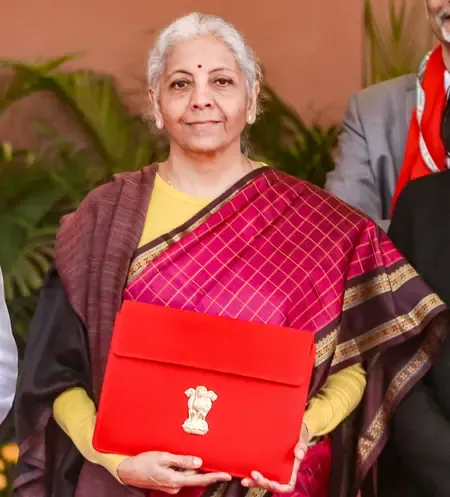
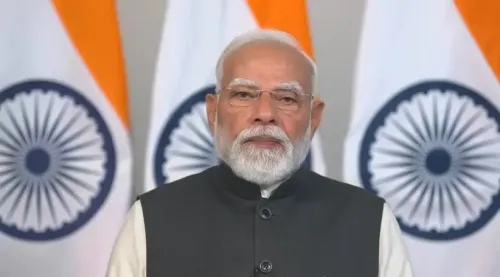
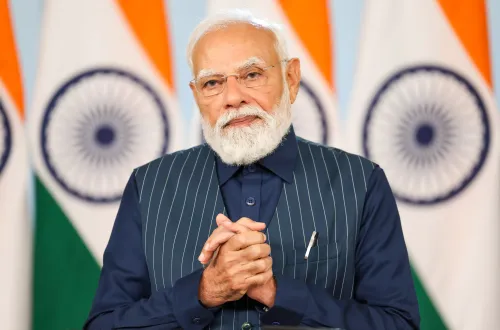
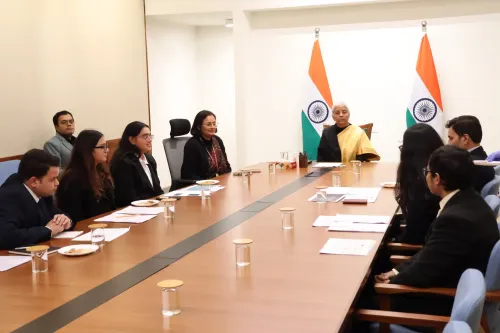
New Delhi, Feb 7 (NationPress) Participants of the Viksit Bharat Young Leaders Dialogue 2026 on Saturday expressed their admiration for Prime Minister Narendra Modi and Union Finance Minister Nirmala Sitharaman, noting that the insights and viewpoints shared by the youth of the nation were evident in the Union Budget 2026.
Many attendees remarked that the ambitions, policy recommendations, and developmental proposals articulated by young Indians during the dialogue appear to have significantly influenced key aspects of the Union Budget 2026–27, underscoring the growing importance of youth participation in policymaking.
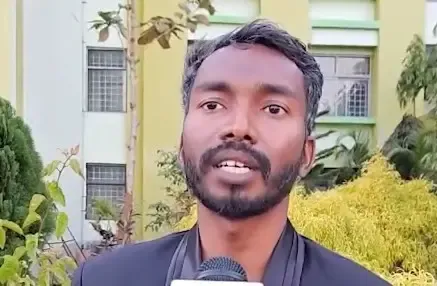
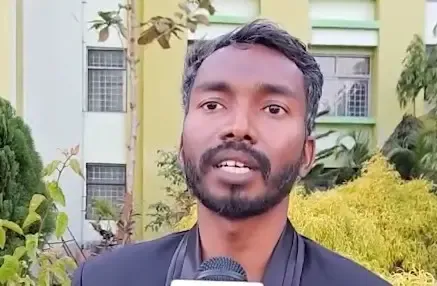
Aman Hembrom, a participant from Ranchi, emphasized that the platform encapsulated the collective voice of the youth rather than just individual opinions.
He stated, "This was not merely my personal viewpoint; it represented the collective thoughts of the youth of a Viksit Bharat. When we shared our proposals with PM Modi, our ideas were welcomed. As the youth begin to engage and take initiative, the vision of Viksit Bharat 2047 transforms into a commitment, a belief."
Hembrom further elaborated on the sense of ownership young Indians feel towards the long-term vision of the nation.
"The ambition of Viksit Bharat by 2047 belongs to us. We see that in our nation's leadership, where our President is a woman, and the Union Finance Minister presenting the budget is also a woman. When India showcases its resilience and strength, it demonstrates that the nation is undeterred by challenges," he added.
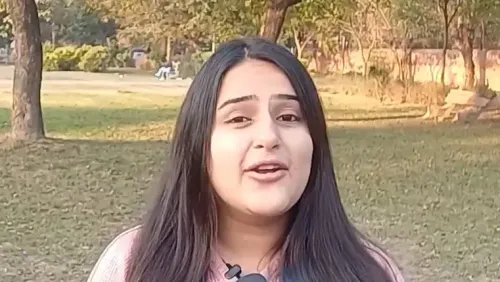
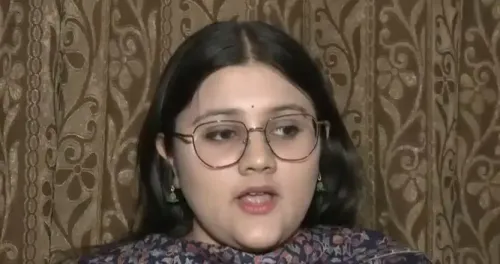
Another participant from Hisar, Nimisha Suryavanshi, who also shared her ideas during the dialogue, pointed out how the Prime Minister promotes youth-centric innovation and thinking.
She remarked, "When we first ventured into space, the question was -- How does India appear from above?... Today, in New India, the Prime Minister inquires -- How does India look from the perspective of youth?"
Suryavanshi shared her proposal aimed at enhancing agricultural productivity, which received positive feedback from the Prime Minister.
"When I introduced my idea, 'Per Field More Yield', he (PM Modi) expressed great satisfaction, stating that just like his slogan 'Per Drop More Crop', my idea was equally praiseworthy," she noted.
She further discussed the unique selection process and the rare opportunity given to participants to engage directly with the nation's leaders.
"Out of 50 lakh youth who applied, 3,000 were shortlisted at each stage, and ultimately, around 25 selected youth had the chance to share their ideas with the Prime Minister. It was a truly unique experience for us. With 3,000 individuals gathered in the hall, we were granted the opportunity to present our innovative ideas and converse with him," Suryavanshi explained.
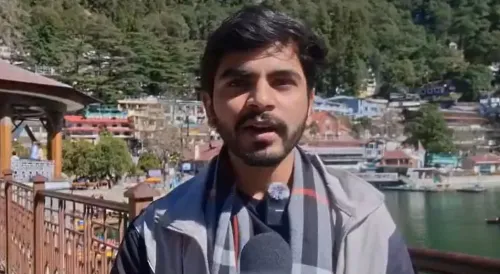
Dipayan Sunder Ghosh, another participant from Nadia, described the dialogue as a valuable and enriching experience. He highlighted that the acknowledgment of youth suggestions in the national budget was particularly motivating. "It was a remarkable experience to present our ideas. What impressed me further was when Finance Minister Nirmala Sitharaman referenced our suggestions in her Budget 2026 speech," he noted.
Participants asserted that such initiatives demonstrate a growing focus on incorporating youth perspectives into national policy discussions and developmental strategies, reinforcing their belief that young citizens are becoming active contributors to India's long-term growth vision.
The Viksit Bharat Young Leaders' Dialogue 2026 took place in New Delhi from January 9 to January 12, with around 3,000 young leaders participating from various regions of the country.
Throughout the multi-day event, participants engaged in digital quizzes, essay competitions, and policy presentations.
Select recommendations from these interactions were later integrated into national policy discussions and the framework of the Union Budget.
Prime Minister Narendra Modi and Finance Minister Sitharaman have emphasized that the Union Budget 2026–27 aims to reflect the aspirations of India's youth by translating dialogue discussions into actionable policy initiatives.
The government has also stressed that the budget intends to create opportunities for young Indians while furthering the overarching objective of constructing a Viksit and Atmairbhar Bharat.
Point of View
It is crucial for all stakeholders to ensure that this momentum translates into tangible outcomes for India’s youth.
NationPress
12 Oct 2026
Frequently Asked Questions
What is the Viksit Bharat Young Leaders Dialogue?
The Viksit Bharat Young Leaders Dialogue is an initiative aimed at engaging young leaders in discussions about national policy and development, allowing them to present their ideas and proposals directly to government officials.
Who participated in the dialogue?
The dialogue featured around 3,000 participants from various regions of India, representing diverse perspectives and ideas from the youth.
What impact did the dialogue have on the Union Budget?
Participants noted that their suggestions and ideas were reflected in the Union Budget 2026, showcasing the government's responsiveness to youth perspectives.
How were participants selected?
Out of 50 lakh youth who applied, a rigorous selection process shortlisted 3,000 at each stage, ultimately allowing 25 individuals to present their ideas directly to the Prime Minister.
What are the future implications of this dialogue?
The dialogue sets a precedent for future youth engagement in policymaking, highlighting the importance of incorporating young voices into national discussions and strategies.