50 OTT platforms blocked in 2 years for obscene content: Vaishnaw
Synopsis
India has quietly blocked 50 OTT platforms over two years for obscene content — but the government named none of them. Minister Ashwini Vaishnaw's Lok Sabha reply reveals the scale of enforcement under the IT Act and BNS, while leaving a critical transparency gap that Parliament and the public cannot scrutinise.
Key Takeaways
The government blocked 50 OTT platforms in India over the past two years for displaying obscene content.
Platforms were found in violation of Sections 67 and 67A of the IT Act, 2000 , Section 294 of the BNS , and Section 4 of the Indecent Representation of Women (Prohibition) Act, 1986 .
Minister Ashwini Vaishnaw disclosed this in a written reply to the Lok Sabha on 22 July .
Action is complaint-driven, using powers under Section 79(3)(b) of the IT Act to direct intermediaries to remove or disable content.
None of the 50 blocked platforms were named in the government's reply.
Intermediaries under IT Rules 2021 are required to inform users against sharing content harmful to children or violating any law.
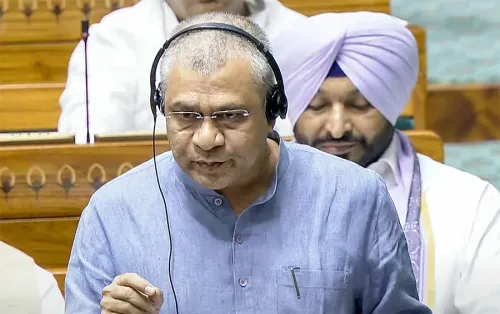
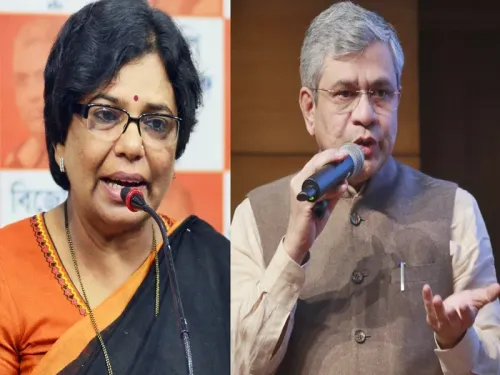
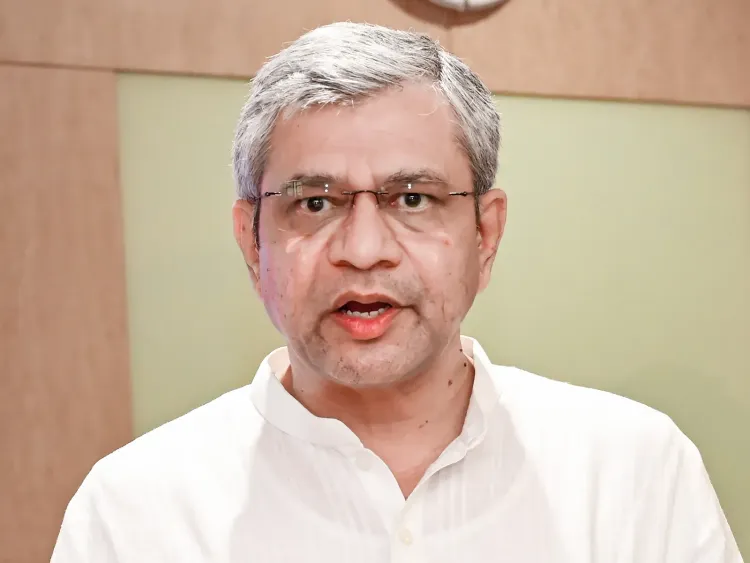
The Indian government has blocked 50 over-the-top (OTT) platforms from public access over the past two years for displaying obscene content and violating key provisions of the Information Technology Act and allied laws, Union Minister for Electronics and Information Technology Ashwini Vaishnaw told the Lok Sabha on 22 July. The disclosure, made in a written reply, marks one of the most detailed official accountings of OTT enforcement action to date.
Legal Provisions Invoked
According to the minister, the platforms were found in violation of Sections 67 and 67A of the Information Technology Act, 2000, which deal with publishing obscene and sexually explicit material online. Authorities also invoked Section 294 of the Bharatiya Nyaya Sanhita (BNS) and Section 4 of the Indecent Representation of Women (Prohibition) Act, 1986.
'The government has disabled 50 OTT Platforms for public access in India in the last two years for displaying obscene content and for violation of Section 67 and 67A of the IT Act, Section 294 of the BNS and Section 4 of the Indecent Representation of Women (Prohibition) Act, 1986,' Vaishnaw stated in his written reply.
How the Government Acts on Complaints
Vaishnaw clarified that the government acts on complaints received and exercises powers under Section 79(3)(b) of the IT Act to notify intermediaries to remove or disable access to unlawful content. This complaint-driven mechanism means platforms are not proactively monitored but are flagged through user or agency reports before action is taken.
Notably, the government did not name any of the 50 platforms in the reply, leaving the scope of enforcement opaque to the public and to Parliament.
Framework for Digital Safety
The minister outlined that India's digital governance rests on the Information Technology Act, 2000 combined with the Information Technology (Intermediary Guidelines and Digital Media Ethics Code) Rules, 2021. Together, these instruments set out obligations for intermediaries around user safety, digital well-being, and responsible online participation.
Under the IT Rules, intermediaries are required to exercise due diligence and must inform users not to host, upload, publish, transmit, or share content that is harmful to children or violates any law in force. 'The IT Rules require that the intermediaries observe due diligence while discharging their duties and shall inform the users of computer resources not to host, display, upload, modify, publish, transmit, update or share any information that is harmful to children or violates any law for the time being in force,' Vaishnaw said.
Broader Context and What It Signals
This comes amid growing regulatory scrutiny of digital streaming platforms in India, which have expanded rapidly with minimal content oversight compared to broadcast television. The government's stated goal, according to Vaishnaw, is to ensure 'an open, safe, trusted and accountable internet for all users, including children.' Critics and digital rights advocates, however, have previously raised concerns about the lack of a transparent, independent appellate mechanism for platforms that contest blocking orders. With OTT consumption surging across tier-2 and tier-3 cities, the enforcement posture is likely to intensify in the months ahead.
Point of View
On what grounds, and whether any contested the order is accountability in form only. As OTT consumption deepens into smaller cities and younger demographics, the absence of an independent appellate body and a transparent blocking registry is a structural gap that neither the IT Act nor the 2021 Rules has closed.
NationPress
21 Oct 2026
Frequently Asked Questions
How many OTT platforms has India blocked for obscene content?
India has blocked 50 OTT platforms from public access over the past two years for displaying obscene content and violating provisions of the IT Act and other laws, according to a written reply by Minister Ashwini Vaishnaw in the Lok Sabha on 22 July.
Under which laws were the OTT platforms blocked?
The platforms were blocked for violations of Sections 67 and 67A of the Information Technology Act, 2000, Section 294 of the Bharatiya Nyaya Sanhita (BNS), and Section 4 of the Indecent Representation of Women (Prohibition) Act, 1986.
Which OTT platforms were blocked by the government?
The government did not name any of the 50 blocked OTT platforms in its Lok Sabha reply. The lack of disclosure means the identities of the platforms remain unknown to the public and Parliament.
How does the government decide to block an OTT platform?
The government acts on complaints received and uses powers under Section 79(3)(b) of the IT Act to notify intermediaries to remove or disable access to unlawful content. The process is complaint-driven rather than proactive.
What obligations do OTT platforms and intermediaries have under Indian law?
Under the IT (Intermediary Guidelines and Digital Media Ethics Code) Rules, 2021, intermediaries must exercise due diligence and inform users not to host, upload, or share content that is harmful to children or violates any law in force in India.