9.76 crore farmer IDs created for targeted scheme benefits: Shivraj Chouhan
Synopsis
India has issued nearly 9.76 crore digital farmer IDs — a quiet but potentially transformative shift in how agricultural benefits are delivered. With seed stocks running 11% above Kharif demand, a national contingency reserve in place, and 20 lakh farmers already registered for natural farming, Agriculture Minister Shivraj Singh Chouhan is framing Kharif 2026 as a season of systems, not just sowing.
Key Takeaways
9.76 crore farmer IDs have been created under an accelerated campaign to streamline delivery of government scheme benefits.
Kharif 2026 seed stock stands at 192 lakh quintals against a requirement of 173 lakh quintals — an 11% surplus .
A national seed reserve of 1.74 lakh quintals has been built as a buffer against weather disruptions.
Average farm loan size nationally is around ₹1.32 lakh ; eastern India lags significantly below this figure.
20 lakh farmers have registered for natural farming, covering nearly 8 lakh hectares .
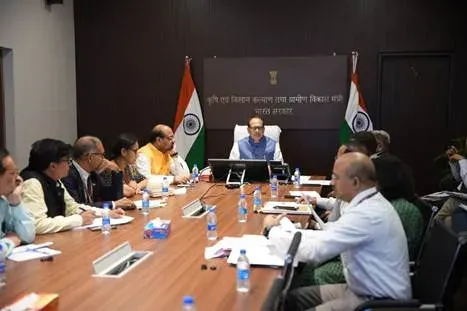
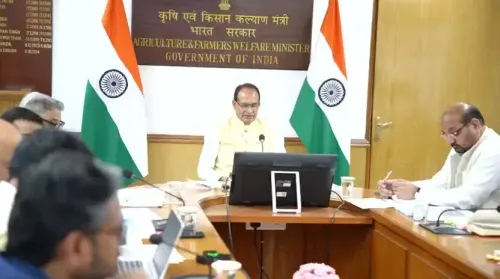
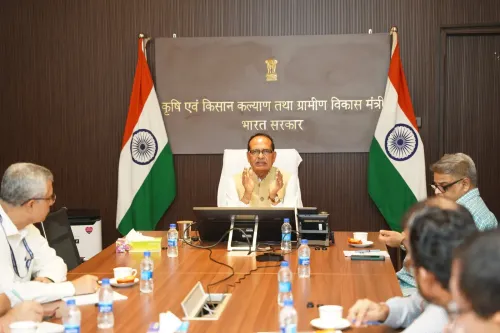
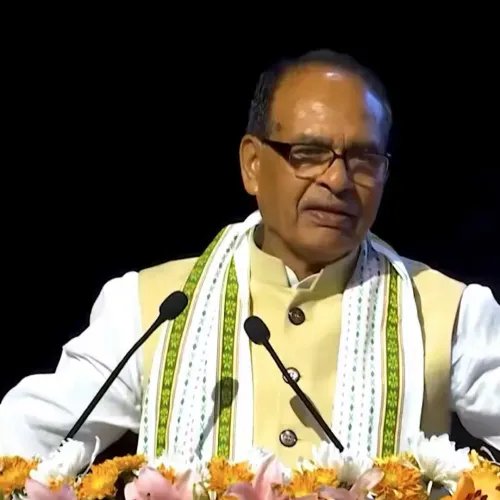
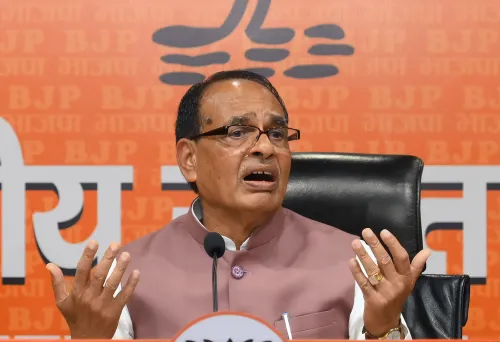
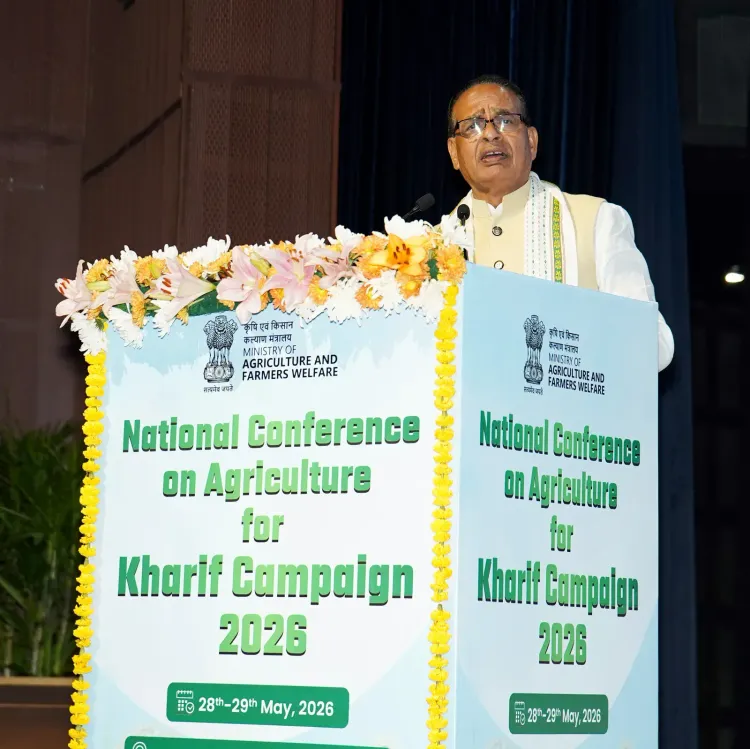
Union Minister for Agriculture and Farmers' Welfare Shivraj Singh Chouhan on Friday, 29 May announced that 9.76 crore farmer IDs have been generated under an accelerated national campaign to deliver government scheme benefits to farmers in a simpler, more targeted manner. The minister made the disclosure at a press conference in New Delhi, outlining a broad Kharif preparedness plan that spans seed reserves, agricultural credit, and natural farming.
Farmer IDs and What They Change
Chouhan said the digital farmer IDs are designed to eliminate the need for farmers to repeatedly furnish separate documents each time they seek government assistance. The system is expected to improve transparency in the distribution of fertilisers, financial assistance, and other facilities, while ensuring benefits reach verified beneficiaries rather than being siphoned off. The initiative represents a structural shift toward a unified digital identity for India's farming population.
Seed Availability for Kharif 2026
On seed preparedness, the minister said approximately 173 lakh quintals of seeds are required for the Kharif 2026 season nationally, against an available stock of 192 lakh quintals — roughly 11% more than the projected demand. He added that seed allocation to individual states has already been completed, with special emphasis on ensuring timely lifting so that supplies reach farmers before sowing begins.
The Centre has also built a national seed reserve of 1.74 lakh quintals as a contingency buffer against weather-related disruptions, including delayed monsoon onset, prolonged dry spells, or the need for re-sowing in affected regions.
Agricultural Credit: Gaps in Eastern India
On farm financing, Chouhan noted that the average size of agricultural loans in the country stands at around ₹1.32 lakh, though there are significant regional disparities. He specifically flagged eastern India as a region where the average is considerably lower than the national figure. The minister said meetings would be convened with banks operating in states where credit flow to agriculture remains inadequate, with the aim of ensuring that loans are disbursed in time for seasonal investments.
Natural Farming and Integrated Agriculture
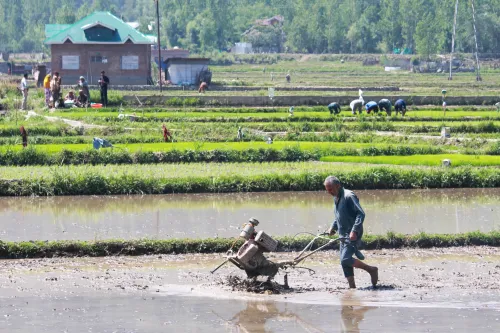
The press conference also covered the push toward natural and balanced farming. Chouhan said 20 lakh farmers have registered for natural farming, covering nearly 8 lakh hectares of land. He noted that many farmers already follow natural farming methods through traditional practices, and described integrated farming as particularly important for small and marginal farmers as a practical route to higher and more sustainable incomes.
Kharif as a Policy Priority
Chouhan framed the Kharif 2026 season as a test of joint Centre-state coordination, calling it a season of 'preparedness, coordination and farmer-centric policymaking.' With seed stocks secured, digital IDs scaling rapidly, and credit gaps being addressed, the government appears to be positioning the season as a showcase for its agricultural modernisation agenda. Whether the on-ground execution matches the preparedness figures will become clearer once the monsoon arrives.
Point of View
But the harder question is coverage depth — India has over 14 crore operational farm holdings, which means roughly a third remain outside the system. The credit gap in eastern India is a structural problem that pre-dates this government, and bank meetings alone have rarely moved the needle in the past. On natural farming, 8 lakh hectares is a fraction of India's 140-million-hectare net sown area; the enthusiasm in the ministry's framing should be weighed against the scale of the transition required. The real test of Kharif preparedness will be whether these systems hold when the monsoon delivers its annual surprises.
NationPress
13 Oct 2026
Frequently Asked Questions
What are the farmer IDs announced by Shivraj Singh Chouhan?
These are digital identification numbers issued to farmers under an accelerated government campaign to streamline access to scheme benefits. As of 29 May, 9.76 crore such IDs have been created, reducing the need for farmers to submit multiple documents for different schemes.
Is there enough seed stock for Kharif 2026?
Yes, according to the Agriculture Ministry. Available seed stock stands at 192 lakh quintals against a national requirement of 173 lakh quintals for Kharif 2026, representing an 11% surplus. State-wise allocation has already been completed.
What is the national seed reserve and why was it created?
The Centre has prepared a national seed reserve of 1.74 lakh quintals as a contingency buffer. It is meant to ensure farmers can access seeds if the monsoon is delayed, dry spells prolong, or re-sowing is needed in any region.
Why is agricultural credit a concern in eastern India?
Agriculture Minister Chouhan noted that while the national average farm loan size is around ₹1.32 lakh, eastern India's average is considerably lower, indicating weaker credit flow to farmers in that region. The government plans to hold targeted meetings with banks in low-credit states.
How many farmers have adopted natural farming in India?
According to the minister, 20 lakh farmers have registered for natural farming, covering nearly 8 lakh hectares of land. Chouhan described integrated and natural farming as especially important for small and marginal farmers seeking sustainable income growth.