22 states back natural farming as Centre maps next agricultural growth phase
Synopsis
Agriculture ministers from 22 states didn't just endorse natural farming — they tested it on their own land. At the National Kharif Conference in New Delhi, the Centre linked this personal buy-in to a broader pivot: Kharif planning is now tied to soil health, pulses self-reliance, and a proposed 'Khet Bachao Abhiyan', signalling that Indian agricultural policy is shifting from seasonal production targets to a multi-generational national responsibility.
Key Takeaways
Agriculture Ministers from 22 states have personally adopted and experimented with natural farming on their own farms.
The National Kharif Conference was held over two days at PUSA campus, New Delhi on 30 May 2025 .
Union Agriculture Minister Shivraj Singh Chouhan called for simplified administrative procedures and a nationwide balanced fertiliser awareness campaign.
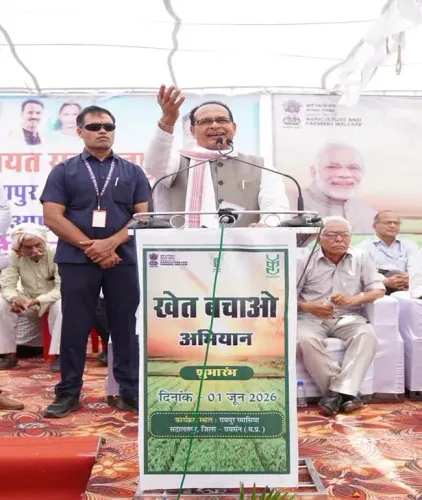
The proposed 'Khet Bachao Abhiyan' campaign was among the key agenda items, alongside self-reliance in pulses and oilseeds.
Dedicated control rooms and monitoring systems are to be established to track ground-level outcomes of the natural farming drive.
Kharif planning will henceforth be linked to a broader agenda covering soil health, input cost management, and sustained productivity growth.
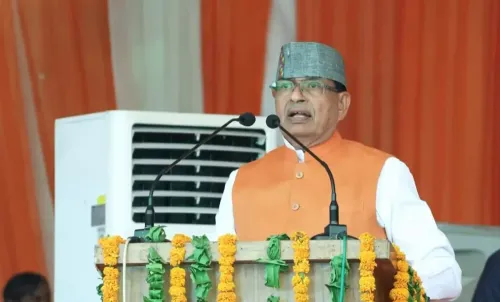
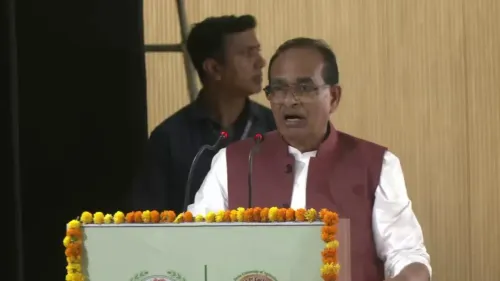
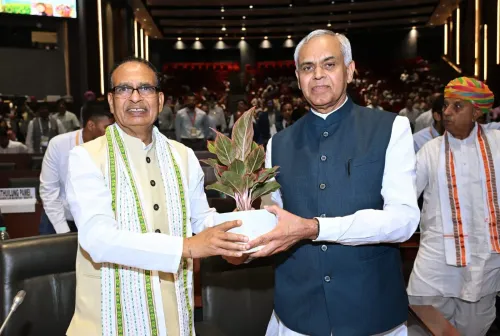
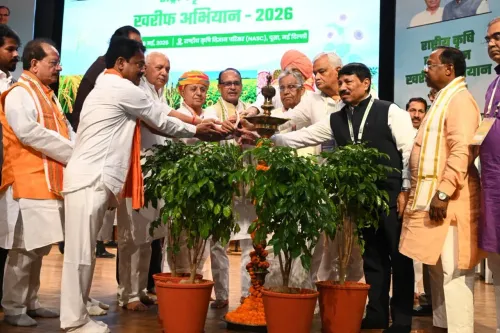
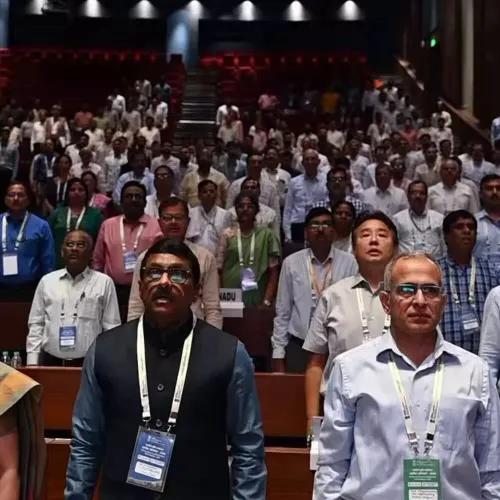
Agriculture Ministers from 22 states have not only endorsed natural farming at the policy level but have also personally adopted and experimented with it on their own farms, the Centre announced on Saturday, 30 May. The declaration came at the close of the two-day National Kharif Conference held at the PUSA campus, New Delhi, which brought state agriculture ministers together on a single platform to chart a coordinated roadmap for the sector.
Key Developments at the Kharif Conference
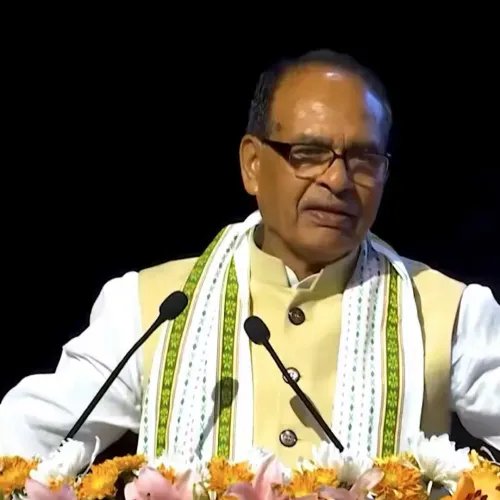
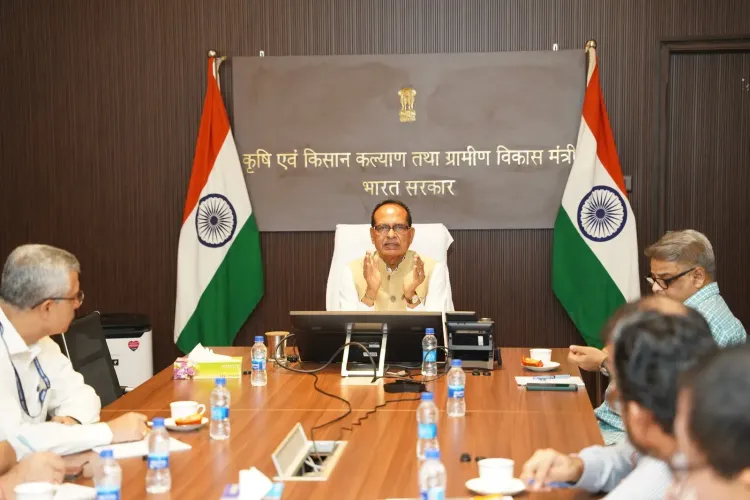
Union Agriculture Minister Shivraj Singh Chouhan set the tone by stressing that protecting farmland goes beyond preserving agricultural acreage — it is, he argued, about safeguarding the environment, national food security, and the well-being of future generations. He called on state governments to simplify administrative procedures and strip away unnecessary bureaucratic layers so that farmers can access government schemes more effectively.
A notable emphasis emerged around balanced fertiliser use. Chouhan clarified that the government's goal is not to ban chemical fertilisers outright, but to promote their scientific, balanced, and judicious application. He called for a nationwide awareness movement backed by an institutional campaign to shift farmer behaviour gradually rather than abruptly.
Natural Farming Takes Centre Stage
The active participation of ministers from 22 states — many of whom have trialled natural farming on their own holdings — signals a shift from symbolic policy support to hands-on state-level commitment. Proponents argue that reducing chemical dependency lowers input costs for farmers while improving long-term soil health. The conference positioned natural farming as a pillar of the next phase of agricultural growth, not merely an alternative practice.
Chouhan also called for the establishment of coordinated implementation mechanisms, dedicated monitoring systems, and control rooms to ensure that the natural farming push translates into measurable on-ground outcomes rather than remaining an aspirational appeal.
Broader Agenda: Pulses, Oilseeds, and 'Khet Bachao Abhiyan'
Beyond natural farming, the conference charted a common roadmap on Kharif preparedness, self-reliance in pulses and oilseeds, prudent management of input costs, and the proposed 'Khet Bachao Abhiyan' campaign. Officials indicated that Kharif planning will no longer be confined to seasonal readiness alone; it will be embedded within a longer-term agenda linking soil health, productivity, and nutrition security.
This marks a structural shift in how the Centre frames agricultural policy — moving from production targets to a broader national responsibility that encompasses environmental sustainability and farmer prosperity.
What This Means for Farmers
For the farming community, the twin signals — simplified access to schemes and a phased transition toward balanced inputs — could reduce the financial burden of high-cost chemical inputs over time. Critics of past agricultural transitions, however, have cautioned that without adequate training infrastructure and assured market linkages for naturally farmed produce, state-level enthusiasm may not translate into farmer-level adoption at scale.
With guidelines and control-room mechanisms expected to follow, the next few months will test whether the political consensus forged at PUSA can be converted into verifiable change in India's fields.
Point of View
But optics are not policy outcomes. India has seen several state-led agricultural transitions — organic farming in Sikkim being the most cited — and the evidence on scalability without income support and market linkages remains mixed. The Centre's clarification that chemical fertilisers will not be banned is a pragmatic hedge, but it also risks diluting the campaign's urgency. The real test is whether the 'Khet Bachao Abhiyan' and the promised control rooms come with measurable targets, independent verification, and a safety net for farmers who take the transition risk.
NationPress
22 Sept 2026
Frequently Asked Questions
What was decided at the National Kharif Conference 2025?
The National Kharif Conference held at PUSA campus, New Delhi on 30 May 2025 produced a coordinated roadmap covering natural farming, Kharif preparedness, self-reliance in pulses and oilseeds, balanced fertiliser use, and the proposed 'Khet Bachao Abhiyan' campaign. Agriculture Ministers from 22 states participated and committed to ground-level implementation.
What is the 'Khet Bachao Abhiyan' campaign?
'Khet Bachao Abhiyan' is a proposed campaign announced at the National Kharif Conference aimed at protecting farmland and promoting sustainable agricultural practices. Specific operational guidelines are expected to be issued in the coming months following the conference's conclusions.
Is the Centre banning chemical fertilisers as part of the natural farming push?
No. Union Agriculture Minister Shivraj Singh Chouhan explicitly clarified that the objective is not to prohibit chemical fertilisers but to promote their scientific, balanced, and judicious use. The government intends to drive this through a nationwide awareness movement and an institutional campaign rather than a ban.
Why does it matter that ministers farmed naturally on their own land?
Personal adoption by Agriculture Ministers from 22 states is intended to build farmer confidence in natural farming by demonstrating that policymakers stand behind the practice. It signals a move from symbolic policy endorsement to hands-on state-level commitment, which proponents argue is critical for grassroots adoption.
What monitoring mechanisms will be put in place for the natural farming drive?
The Centre has called for coordinated implementation mechanisms, dedicated monitoring systems, and control rooms at the state level to track ground-level outcomes. These are intended to ensure the campaign delivers measurable results rather than remaining an aspirational policy appeal.