Shivraj Singh Chouhan chairs Kharif 2026 National Agriculture Conference
Synopsis
Union Agriculture Minister Shivraj Singh Chouhan convened the National Agriculture Conference — Kharif Campaign 2026 at Pusa, New Delhi on 29 May, bringing central and state stakeholders together under the theme of advancing farm development through policy, innovation and dedication ahead of the monsoon sowing season.
Key Takeaways
Union Agriculture Minister Shivraj Singh Chouhan chaired the National Agriculture Conference — Kharif Campaign 2026 at Pusa, New Delhi on 29 May 2026 .
The conference theme — niti, navachar aur nishtha (policy, innovation and dedication) — frames the government's approach to the upcoming monsoon crop season.
The event is hosted at IARI's Pusa campus , India's premier agricultural research institution, underlining the focus on science-backed farming.
Annual pre-kharif conferences align central schemes such as PM-KISAN and e-NAM with state-level implementation before sowing begins.
Key decisions on seed and fertiliser availability, crop-insurance enrolment and possible new technology pilots for kharif 2026 are expected to emerge from the deliberations.
Follow-up state-level review meetings are typically held within weeks to translate central directives into district action plans.
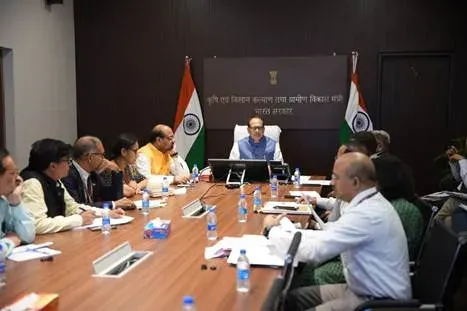
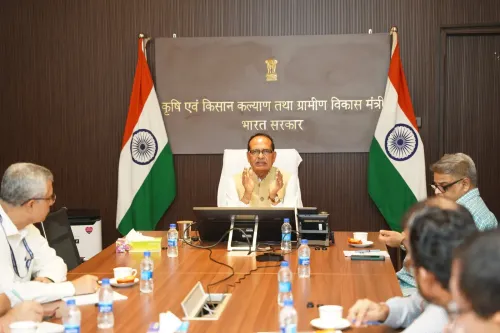
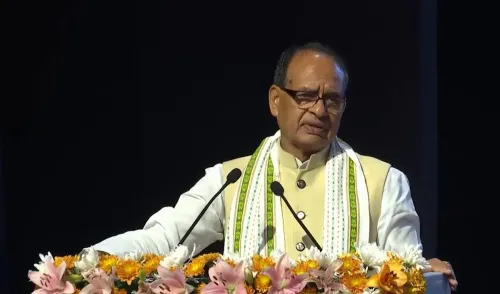
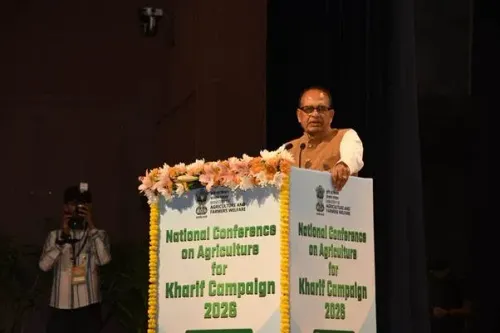
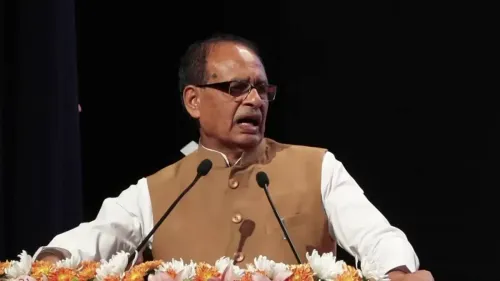
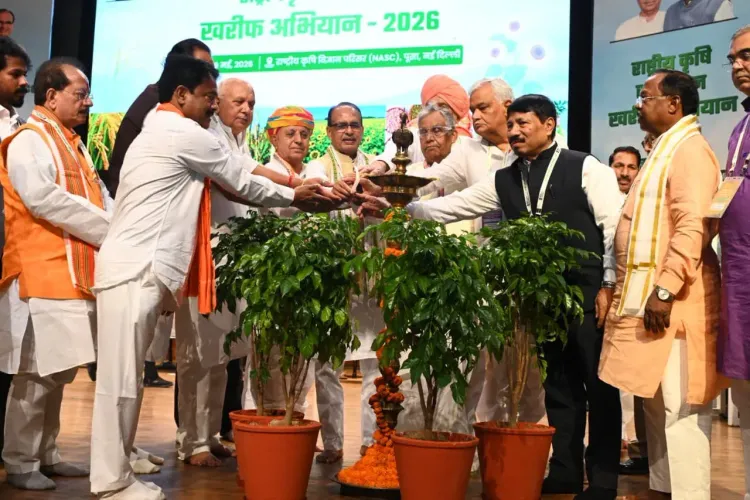
Union Agriculture Minister Shivraj Singh Chouhan on Friday, 29 May 2026 convened the National Agriculture Conference — Kharif Campaign 2026 at Pusa, New Delhi, bringing together central and state stakeholders to chart a course for the upcoming monsoon crop season. The conference, hosted on the campus of the Indian Agricultural Research Institute (IARI), was anchored around the theme of advancing agricultural development through 'policy, innovation and dedication' — niti, navachar aur nishtha — as stated by the minister.
Context
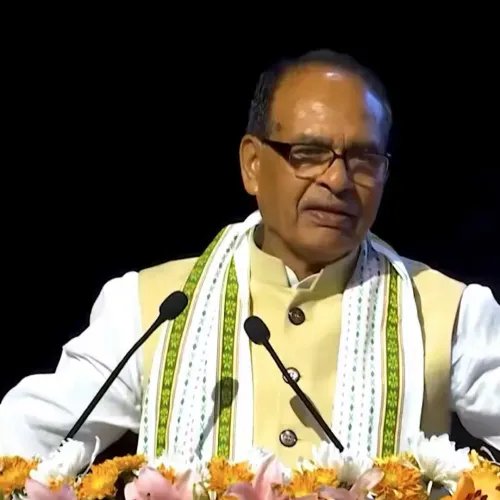
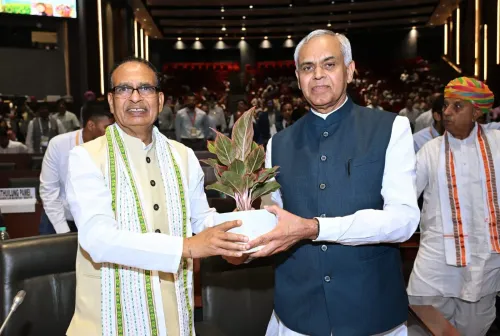
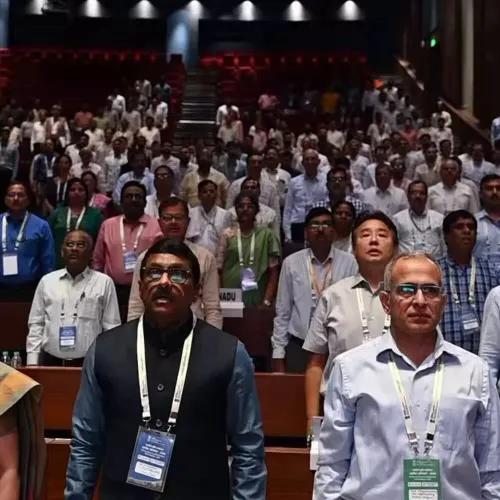
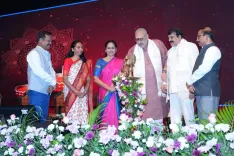
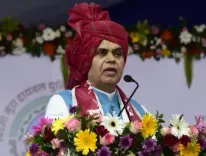
Chouhan posted on X with the caption: 'Niti, navachar aur nishtha se krishi vikas ko nayi gati dene ke liye chintan' — meaning 'Deliberation to give new momentum to agricultural development through policy, innovation and dedication.' The post was accompanied by four images from the conference venue at Pusa, New Delhi, signalling an active, high-level planning session ahead of the kharif 2026 sowing season.
The kharif season, which covers rain-fed crops such as paddy, maize, pulses and oilseeds, is the larger of India's two main cropping cycles and is critically dependent on monsoon performance. Pre-season national conferences of this kind are the primary mechanism through which the Ministry of Agriculture and Farmers Welfare aligns input supply chains, credit flow, insurance enrolment and production targets with state governments before sowing begins.
Policy Backdrop
The Ministry of Agriculture has convened annual pre-kharif and pre-rabi national conferences since at least the early 2000s to synchronise central scheme delivery with state-level implementation. These forums bring together state agriculture ministers and secretaries, officials from ICAR — the Indian Council of Agricultural Research — and representatives of input agencies to review the previous season and set targets for the next.
Among the flagship programmes on the conference agenda in recent years have been Pradhan Mantri Kisan Samman Nidhi (PM-KISAN), the direct income-support scheme launched in 2019, and the e-NAM electronic trading platform, rolled out in 2016 to integrate wholesale mandis into a pan-India market. The current government's emphasis on technology infusion and climate-resilient crop varieties has been a consistent thread across these seasonal reviews since 2014.
IARI's Pusa campus serves as a symbolic as well as logistical venue: it is the seat of India's premier crop-research institution and a node for frontline demonstrations of new agricultural technologies, making it a natural setting for a conference themed around innovation.
Stakeholders and Impact
The primary beneficiaries of decisions taken at such conferences are India's farming households — estimated at well over 10 crore landholding families — whose access to certified seeds, fertilisers, crop insurance and institutional credit is directly shaped by the targets and allocations agreed upon in these meetings. State agriculture departments translate central directives into district-level action plans within weeks of such conferences.
For Shivraj Singh Chouhan, who served four terms as Chief Minister of Madhya Pradesh and built a political identity around farm-sector outreach, the conference is also a platform to demonstrate continuity between his state-level record and his current national portfolio. His framing of the session around 'dedication' alongside policy and innovation signals an intent to project both administrative rigour and grassroots connect.
What's Next
The outcomes of the Kharif Campaign 2026 conference are expected to include finalised production targets for key crops, state-wise seed and fertiliser allocation plans, and possibly the announcement of new technology pilots or scheme expansions for the season. Follow-up state-level review meetings are typically convened within weeks to cascade central directives to district administrations.
With the southwest monsoon onset over Kerala typically expected around the first week of June, the timing of the conference — late May — places it at the critical window when preparedness decisions have the most operational impact. Watchers of agricultural policy will look for specific announcements on crop-insurance enrolment targets and any revision to the minimum support price framework for kharif 2026 crops.
Point of View
Innovation and dedication' is consistent with the current government's post-2014 effort to brand seasonal administrative exercises as reform milestones rather than routine bureaucratic coordination. For Chouhan, who built his political capital in Madhya Pradesh partly on farmer-welfare optics, chairing a national-level pre-season conference at IARI is a natural extension of that identity onto the Union stage. The choice of Pusa — synonymous with scientific agriculture — also signals an intent to foreground technology and research alongside the welfare-scheme narrative. Whether the conference produces substantive new commitments on insurance, credit or climate-resilient varieties, or remains primarily a coordination exercise, will determine its longer-term policy significance.
NationPress
20 Sept 2026
Frequently Asked Questions
What is the National Agriculture Conference Kharif Campaign 2026?
It is an annual pre-monsoon planning conference convened by the Union Ministry of Agriculture and Farmers Welfare to align central schemes, input supply and production targets with state governments before the kharif sowing season begins.
Where was the Kharif 2026 agriculture conference held?
The conference was held at Pusa, New Delhi, on the campus of the Indian Agricultural Research Institute (IARI), India's leading crop research and education institution.
What does 'niti, navachar aur nishtha' mean in the context of the conference?
The Hindi phrase translates to 'policy, innovation and dedication' and was used by Minister Shivraj Singh Chouhan as the thematic framing for the conference, signalling a focus on governance quality, technology adoption and committed implementation.
What decisions are expected from the Kharif 2026 conference?
Likely outcomes include state-wise seed and fertiliser allocation plans, crop-insurance enrolment targets, production targets for key kharif crops, and possibly announcements on new technology pilots or scheme expansions for the 2026 season.
Who is Shivraj Singh Chouhan and why is he leading this conference?
Shivraj Singh Chouhan is the Union Minister of Agriculture and Farmers Welfare and Rural Development, and a senior BJP leader who served four terms as Chief Minister of Madhya Pradesh. As the Union minister responsible for agriculture, he chairs national-level seasonal planning conferences of this kind.