Shivraj Singh Chouhan Visits Tarawadi for Khet Bachao Abhiyan
Synopsis
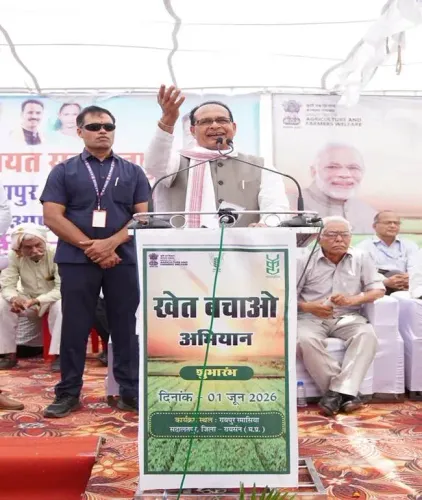
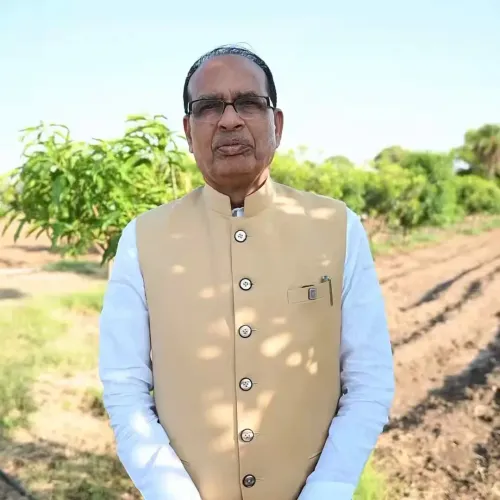
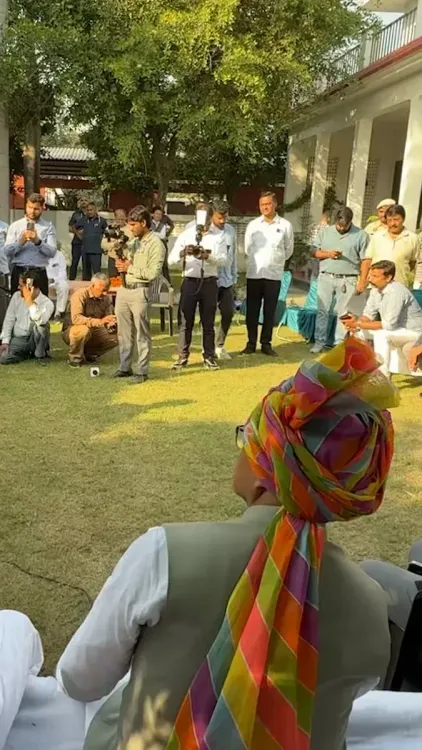
Union Agriculture Minister Shivraj Singh Chouhan visited Tarawadi village in Haryana on 22 October 2026 under the Khet Bachao Abhiyan, engaging farmers on natural farming and the need for balanced chemical fertiliser use to protect soil health.
Key Takeaways
Shivraj Singh Chouhan held a farmer interaction in Tarawadi village, Haryana on 22 October 2026 under the Khet Bachao Abhiyan .
The campaign's twin goals are promoting natural farming practices and encouraging balanced — not excessive — use of chemical fertilisers.
Chouhan highlighted farmers' enthusiasm for natural farming and framed soil restoration as protecting 'Mother Earth's health.' The policy lineage traces to the Paramparagat Krishi Vikas Yojana launched in 2015 to promote organic farming and reduce chemical inputs.
Haryana's intensive wheat-paddy belt is among the regions most affected by soil degradation linked to decades of heavy fertiliser use.
Direct ministerial outreach at village level forms a core delivery mechanism for the campaign's behaviour-change objective.
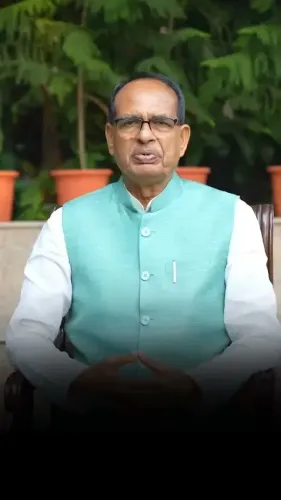
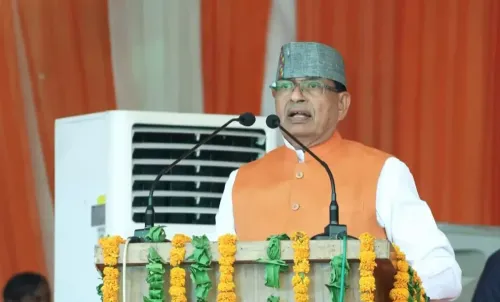
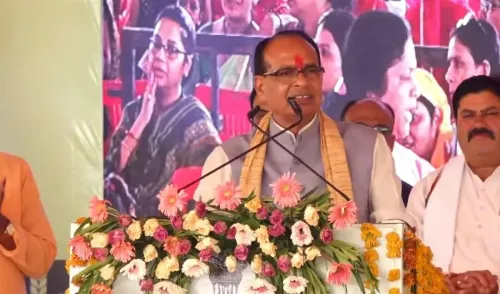
Soil health is a slow crisis — and Union Agriculture Minister Shivraj Singh Chouhan took that message directly to the fields on Thursday, 22 October 2026, holding ground-level conversations with farmers in Tarawadi village, Haryana, under the Centre's Khet Bachao Abhiyan (Save the Farm Campaign).
Posting on X after the interaction, Chouhan wrote: 'Today, under the Khet Bachao Abhiyan, I had conversations with farmer brothers in Tarawadi village in Haryana. Seeing their enthusiasm for natural farming felt really good. The health of our Mother Earth should remain sound, chemical fertilisers should be used in a balanced way — this is the objective of this campaign.' He tagged the post with #KhetBachaoAbhiyan.
What Khet Bachao Abhiyan is asking farmers to do
The campaign is centred on two interlocking goals: reviving natural farming practices and pulling back from the unchecked use of synthetic chemical fertilisers that have quietly eroded soil quality across large stretches of Indian farmland. Chouhan's framing — 'Mother Earth's health' — is deliberate, pitching soil restoration not as a bureaucratic diktat but as an act of stewardship.
The Haryana interaction is part of a broader pattern of direct ministerial outreach to state-level farming communities, designed to carry the message beyond policy circulars and into village conversations. A farmer who hears the case from a visiting minister at a chaupal registers it differently from one who reads a government pamphlet.
A decade-long push rooted in Paramparagat Krishi
The policy lineage here runs back to 2015, when the Centre launched the Paramparagat Krishi Vikas Yojana — a flagship scheme to promote organic farming clusters and reduce chemical input dependency. That initiative seeded a generation of farmer self-help groups experimenting with compost, bio-inputs, and crop rotation. Khet Bachao Abhiyan builds on that foundation, extending its reach to states like Haryana where intensive wheat-paddy cycles have put exceptional pressure on soil fertility.
Excessive fertiliser use — particularly nitrogen — has been linked to declining organic carbon in Indian agricultural soils, groundwater contamination, and ballooning subsidy bills. Balanced application, the campaign argues, protects both the land and the farmer's input costs.
Haryana's farming belt and why Tarawadi matters
Tarawadi sits in the heart of Haryana's agrarian belt, a region synonymous with the Green Revolution's most intensive gains — and its longest-running ecological costs. Choosing a Haryana village for this outreach carries a pointed symbolism: the very geography that powered India's wheat surplus is now being asked to pioneer its post-chemical pivot. The enthusiasm Chouhan described among farmers there, if it holds, would be a meaningful signal from one of India's most consequential farming populations.
Point of View
The Khet Bachao Abhiyan also serves a fiscal purpose: nudging farmers toward balanced fertiliser use eases pressure on a subsidy bill that balloons with every spike in global urea prices. The choice of Haryana is politically loaded — a state where the BJP has fought hard for farmer trust after the prolonged agitation of 2020-21. Demonstrating genuine engagement on soil and sustainability, rather than just procurement prices, may be part of a longer-term effort to reset that relationship.
NationPress
22 Oct 2026
Frequently Asked Questions
What is the Khet Bachao Abhiyan?
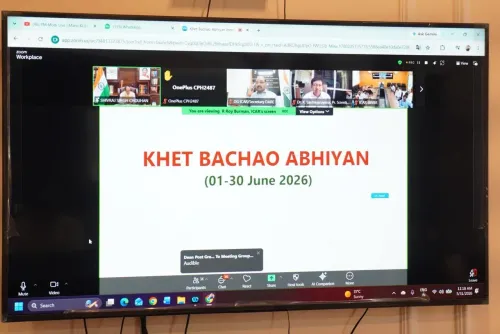
Khet Bachao Abhiyan is a Central government campaign that promotes natural farming practices and encourages balanced use of chemical fertilisers to protect soil health and agricultural sustainability.
Why did Shivraj Singh Chouhan visit Tarawadi village in Haryana?
He visited Tarawadi on 22 October 2026 to interact with farmers under the Khet Bachao Abhiyan and encourage adoption of natural farming and responsible fertiliser use.
What is the Paramparagat Krishi Vikas Yojana?
Launched in 2015 , it is a flagship Central scheme to promote organic farming clusters and reduce chemical input dependency — a predecessor policy that the Khet Bachao Abhiyan builds upon.
How does excessive fertiliser use harm Indian farmland?
Overuse of chemical fertilisers — especially nitrogen — has been linked to falling organic carbon levels in soil, groundwater contamination, and higher long-term input costs for farmers.
What is Shivraj Singh Chouhan's current role?
Shivraj Singh Chouhan is the Union Minister of Agriculture and Farmers Welfare and Rural Development , a senior BJP leader and former four-term Chief Minister of Madhya Pradesh.