Adani-Dioxycle tie-up to launch India's first renewable-powered formic acid plant
Synopsis
Adani Enterprises and French clean-tech firm Dioxycle are betting that captured carbon dioxide and renewable electricity can replace fossil feedstocks in chemical manufacturing — starting with what they claim will be India's first formic acid plant powered entirely by clean energy. If the pilot scales, it could signal a structural shift in how India's chemicals sector sources its raw materials.
Key Takeaways
Adani Enterprises Ltd and Dioxycle of France announced a long-term clean-chemicals partnership on 10 July .
A pilot facility will produce formic acid using captured CO₂ and renewable electricity — described as India's first such plant.
Formic acid derivatives serve textiles , agriculture , and manufacturing sectors.
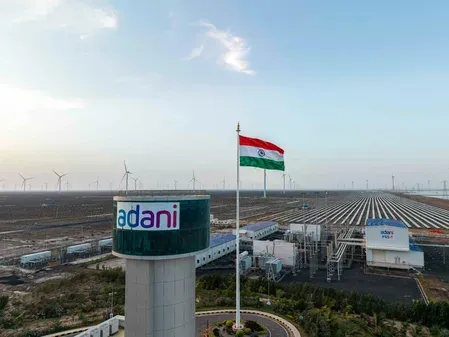
The partnership combines Dioxycle's electrochemical technology with Adani Group's renewable energy and infrastructure capabilities.
Beyond formic acid, partners plan to develop a broader low-carbon chemicals portfolio spanning energy , materials , packaging , and manufacturing .
The initiative is positioned as supporting 'Make in India' and Viksit Bharat 2047 objectives.
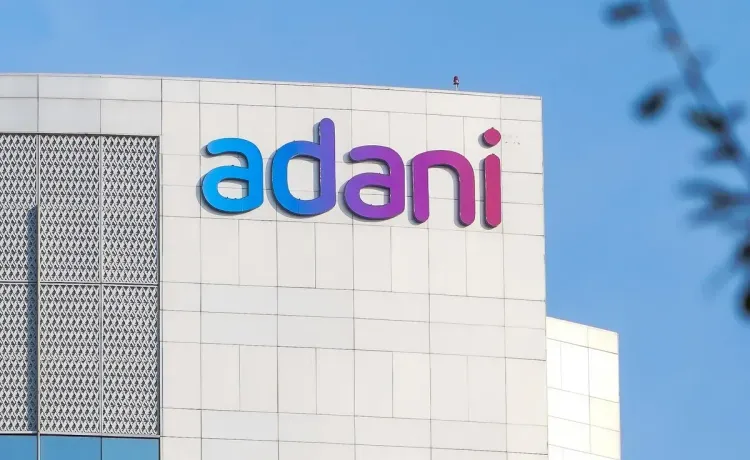
Adani Enterprises Ltd (AEL), the flagship company of the Adani Group, and Dioxycle, a French clean-technology firm specialising in electrochemical manufacturing, on Friday, 10 July announced a long-term strategic partnership to develop and scale low-carbon chemical production in India. The collaboration will begin with a pilot facility at an Adani Group site to produce formic acid using captured carbon dioxide and renewable electricity — what the companies describe as India's first such facility.
What the Pilot Will Do
The pilot plant will use Dioxycle's electrically driven chemical manufacturing technology, which converts captured CO₂ into formic acid without relying on fossil-based feedstocks. Adani brings its renewable energy infrastructure, project execution scale, and industrial platform to the venture. Following successful validation of the pilot, the partners plan to transition to full commercial-scale manufacturing.
Formic acid and its derivatives are widely used across textiles, agriculture, and manufacturing sectors. The project is designed to demonstrate that captured carbon emissions can be converted into commercially viable products using clean energy — a model the partners say could be replicated across the chemicals industry.
What the Two Companies Said
Jeet Adani, Director of the Adani Group, said: 'We are proud to pilot India's first formic acid production facility powered entirely by renewable electricity and captured carbon. This partnership with Dioxycle is a testament to how strategic industrial synergies can turn carbon liabilities into sustainable, cost-effective economic assets.'
Sarah Lamaison, Chief Executive Officer and Co-Founder of Dioxycle, said: 'This partnership demonstrates how clean technology and industrial scale can come together to reshape how essential chemicals are produced. India offers a unique combination of renewable energy, manufacturing capability, and ambition. Together with Adani, we aim to build a competitive and scalable model for low-carbon chemical production.'
Broader Portfolio and Sectoral Ambitions
Beyond formic acid, the partners intend to explore a wider portfolio of low-carbon chemicals serving sectors including energy, materials, packaging, and manufacturing — industries that continue to depend on fossil-based feedstocks and face mounting pressure to cut emissions. For the Adani Group, the initiative marks a strategic entry into the chemicals sector, extending its existing strengths in renewable energy and infrastructure.
India-Europe Clean Tech Collaboration
The deal reflects a broader trend of India-Europe collaboration in clean technologies. As global supply chains seek sustainable alternatives to conventional chemical production, India is increasingly positioned as an advanced manufacturing destination, backed by its industrial scale and growing renewable energy capacity. According to the company statement, the initiative aligns with the national objectives of 'Make in India' and Viksit Bharat 2047, supporting technology-led growth and accelerating India's shift toward a more competitive, low-carbon economy.
What Comes Next
The immediate focus is validating the pilot facility's technical and commercial performance. A successful outcome would pave the way for scaled commercial manufacturing of formic acid, followed by expansion into adjacent chemical categories. The timeline for pilot completion has not been disclosed publicly.
Point of View
But chemical-sector margins are thin, and the absence of a disclosed commercial timeline suggests the partners are still working out the numbers. If it works, this could be a replicable template; if it doesn't, it joins a long list of green-chemistry pilots that never left the demonstration phase.
NationPress
8 Oct 2026
Frequently Asked Questions
What is the Adani-Dioxycle partnership about?
Adani Enterprises Ltd and French clean-tech company Dioxycle have announced a long-term partnership to produce low-carbon chemicals in India, starting with a pilot facility that will make formic acid from captured CO₂ and renewable electricity. The goal is to eventually scale the technology for commercial manufacturing.
What is formic acid and why does it matter?
Formic acid is an industrial chemical widely used in textiles, agriculture, and manufacturing processes. The significance of this project is that it aims to produce formic acid without fossil-based feedstocks, instead using captured carbon dioxide and clean electricity — potentially reducing the sector's emissions footprint.
What technology does Dioxycle bring to the partnership?
Dioxycle contributes an electrically driven, electrochemical manufacturing process that converts captured CO₂ into chemicals such as formic acid. This approach replaces conventional fossil-based chemical synthesis with a process powered by renewable electricity.
How does this fit into Adani Group's broader strategy?
The initiative marks Adani Group's strategic entry into the chemicals sector, building on its existing renewable energy and infrastructure strengths. It also extends the group's portfolio of what it terms 'future-ready businesses' aligned with India's low-carbon transition.
What happens after the pilot facility is validated?
If the pilot demonstrates technical and commercial viability, the partners plan to scale up to full commercial manufacturing of formic acid. They also intend to expand into a broader portfolio of low-carbon chemicals for sectors including energy, materials, packaging, and manufacturing.