Empowering Tribal Women in Central India Through Agroecological Homesteads
Synopsis
Discover how a transformative agroecological homestead model in Madhya Pradesh is enhancing incomes and nutrition for tribal women, fostering self-sufficiency and challenging traditional norms.
Key Takeaways
Transformative agroecological homestead model in Madhya Pradesh.
Increased production and income for tribal women.
Focus on diverse vegetable cultivation and sustainable practices.
Empowerment of women in agricultural decision-making.
Improved nutritional outcomes and dietary diversity.
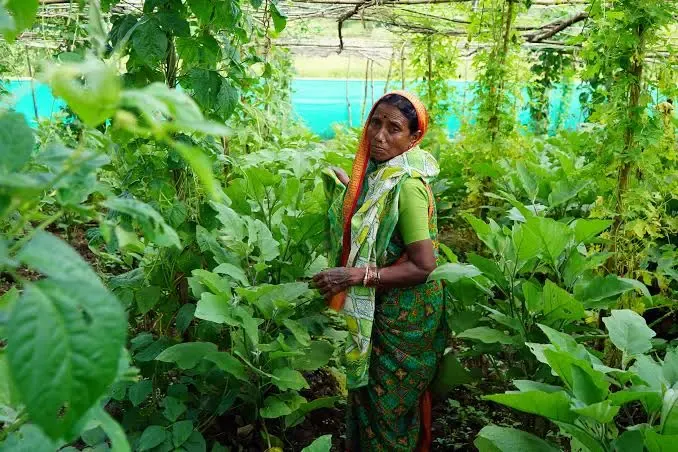
New Delhi, March 4 (NationPress) An innovative agroecological homestead model has revolutionized backyard gardens in Madhya Pradesh's Mandla district, significantly enhancing production, nutritional health, and income for tribal women, as detailed in a recent report.
The findings from Eco-Business highlight a project spearheaded by the CGIAR Multifunctional Landscapes Program in collaboration with Professional Assistance for Development Action (Pradan), focusing on the region’s adivasi community. This initiative emphasizes the cultivation of various vegetables at varying heights, thereby optimizing the available space.
The report references research from the International Water Management Institute (IWMI), which indicates a remarkable 350% increase in production diversity, a doubling of dietary diversity, and a 70% rise in the consumption of nutrient-dense foods like leafy greens.
Additionally, the report notes that protein consumption and household savings have seen a positive shift due to backyard poultry farming, reducing families' reliance on external markets for produce and fertilizers.
The methodology encompasses diverse vegetable cultivation, crop rotation, bio-composting, rainwater harvesting, and integrating livestock through the use of organic manure in farming practices.
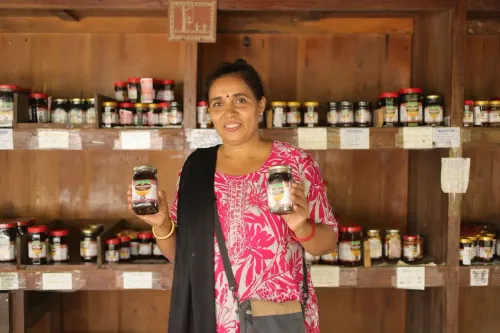
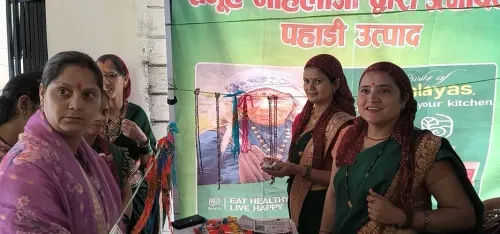
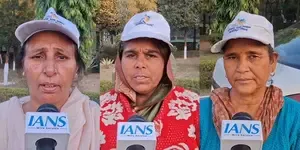
According to the report, women farmers are now leading production efforts and making critical decisions regarding their family homestead farms, thereby challenging traditional gender roles.
Previously, many farmers in the Chimkatola and Kevlari regions practiced monocropping, primarily focusing on maize in upland areas and rice in low-lying fields near rivers, as noted by an analyst.
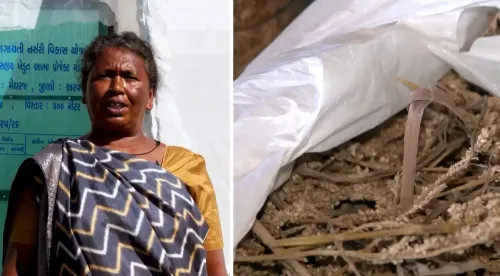
“We used to buy these from the market, but now we produce everything at home,” shared Kusum, a resident of Chimkatola.
Saurav Kumar, the team coordinator at Professional Assistance for Development Action, mentioned that crops were previously susceptible to unpredictable rainfall, land degradation due to improper farming practices on steep slopes, and fluctuating market prices influenced by unstable fuel costs. Many backyard plots were often left unused, with maize being the occasional crop.
Each woman farmer is cultivating around 400-500 square meters of land under this initiative, utilizing bio-fertilizers such as jeevamrut and panchagavya, which are made from cow dung and urine mixed with various organic components, as the report elaborates.
aar/pk
Point of View
While also challenging traditional gender roles.
NationPress
20 Sept 2026
Frequently Asked Questions
What is the agroecological homestead model?
The agroecological homestead model focuses on optimizing backyard plots for diverse vegetable cultivation, improving nutritional outcomes, and enhancing the income of farmers, particularly women.
How has this initiative impacted women in Central India?
The initiative has enabled women to take control of agricultural production and decision-making, thereby increasing their incomes and challenging traditional gender roles.
What are the key practices involved in this model?
Key practices include crop rotation, bio-composting, rainwater harvesting, and integrating livestock with organic farming methods.
What improvements have been observed in production and nutrition?
The initiative has led to a 350% increase in production diversity, a doubling of dietary diversity, and a 70% increase in the consumption of nutrient-rich foods.
Who are the main organizations involved in this project?
The project is led by the CGIAR Multifunctional Landscapes Program in partnership with Professional Assistance for Development Action (Pradan).