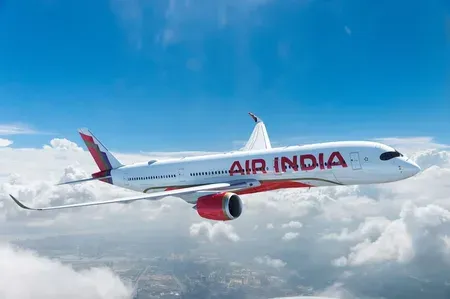
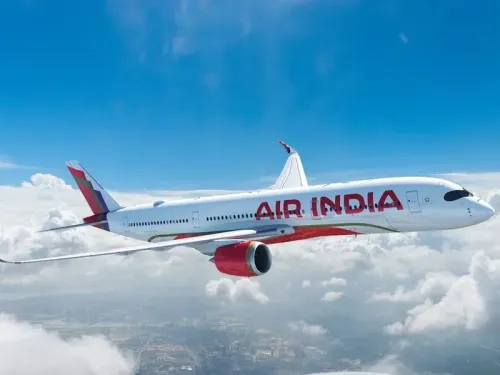
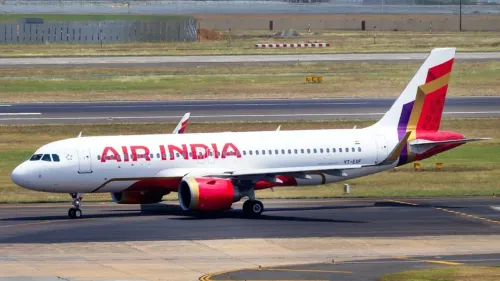
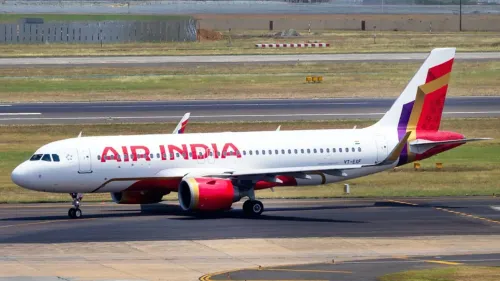
Air India pilot fired after testing positive for psychoactive substance on Phuket-Delhi flight
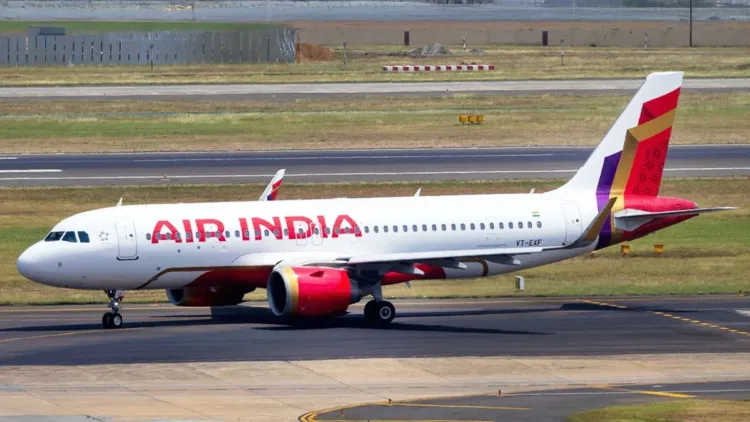
Synopsis
An Air India pilot has been sacked after testing positive for a psychoactive substance — not once but in both an initial screen and a confirmatory lab test — following a flight on which all three hydraulic systems failed at 36,000 feet and at least 24 people were injured. The AAIB flagged the result the same day; Air India terminated him within hours.
Key Takeaways
Air India terminated the pilot-in-command of flight AI-2379 on 4 September after he tested positive for a psychoactive substance in both initial and confirmatory tests.
The Airbus A320 lost all three hydraulic systems while cruising at 36,000 feet over Odisha on 4 August .
At least 20 passengers and four crew members were injured; 145 people were on board.
The AAIB recommended the DGCA take priority action after its preliminary report flagged the positive test result.
The co-pilot tested negative in both tests; detailed technical investigations are continuing.
Air India on Friday, 4 September terminated the employment of a pilot-in-command after he tested positive for a psychoactive substance in a confirmatory laboratory examination, following a serious in-flight emergency aboard a Phuket-to-Delhi service. The airline described the action as consistent with its zero-tolerance policy on safety and regulatory violations.
What the Airline Said
'Safety remains Air India's highest priority. The pilot-in-command of the Phuket-Delhi flight tested positive for a psychoactive substance. In line with Air India's zero-tolerance approach to violation of safety, fitness or regulatory requirements, the pilot's employment has been terminated with immediate effect,' an Air India spokesperson said.
The termination came hours after the Aircraft Accident Investigation Bureau (AAIB) released a preliminary report flagging the positive test result as a serious concern, and recommending that the Directorate General of Civil Aviation (DGCA) take appropriate action on priority.
What the AAIB Report Found
According to the AAIB preliminary report, the pilot-in-command of Air India flight AI-2379 — operating from Phuket to Delhi on 4 August — tested positive for a psychoactive substance in both the initial screening and a subsequent confirmatory laboratory test. Both pilots underwent post-flight medical screening in Delhi after the incident.
While breathalyser tests for both crew members returned satisfactory results, the psychoactive substance detection test was non-negative for the pilot-in-command. 'The confirmatory test report of PIC was found non-negative whereas the sample of the Co-Pilot was found negative in both the tests,' the AAIB report stated. Blood samples of both crew members were sent to a pathological laboratory for the confirmatory examination.
The In-Flight Incident
The Airbus A320 operating as AI-2379 suffered a loss of all three hydraulic systems while cruising at 36,000 feet over Odisha. The aircraft climbed 372 feet above its assigned altitude before descending 292 feet, an event investigators described as an altitude upset during the cruise phase.
There were 145 people on board — 137 passengers, six cabin crew members, and two pilots. At least 20 passengers and four crew members sustained injuries in the incident. The AAIB noted that no discrepancies were reported during the pre-flight walk-around inspection at Phuket, apart from an already-invoked Minimum Equipment List (MEL) item. Detailed investigations into technical and other aspects are continuing.
Regulatory and Safety Implications
The DGCA had been urged by the AAIB to act on the findings as a priority. Air India's swift termination of the pilot signals the airline's intent to demonstrate regulatory compliance amid heightened scrutiny of India's aviation safety record. Notably, this incident comes at a time when Indian carriers are under sustained pressure from global regulators and domestic watchdogs to tighten crew fitness protocols.
The AAIB has indicated that its investigation into the technical causes of the hydraulic failure and other aspects of the occurrence remains ongoing. Further findings are expected as the probe progresses.
Point of View
But the deeper question is systemic: how did a pilot who later tested positive for a psychoactive substance clear pre-departure fitness checks at Phuket? The AAIB's preliminary report is careful to separate the substance finding from the hydraulic failure — causation has not been established — yet the two facts together represent a compounding of risk that regulators cannot treat as coincidental. India's aviation regulator has faced repeated criticism for reactive rather than preventive crew-fitness enforcement. If the DGCA's response stops at endorsing Air India's HR action without auditing the pre-flight screening protocol across carriers, a structural gap will remain unaddressed.
NationPress
19 Oct 2026
Frequently Asked Questions
Why was the Air India pilot terminated?
The pilot-in-command of Air India flight AI-2379 was terminated after testing positive for a psychoactive substance in both an initial screening and a confirmatory laboratory test conducted following the in-flight incident on the Phuket-Delhi route. Air India cited its zero-tolerance policy on safety and regulatory violations.
What happened on Air India flight AI-2379?
On 4 August, the Airbus A320 operating as AI-2379 from Phuket to Delhi lost all three hydraulic systems while cruising at 36,000 feet over Odisha. The aircraft experienced an altitude upset, climbing 372 feet above its assigned altitude before descending 292 feet. At least 20 passengers and four crew members were injured among the 145 people on board.
What did the AAIB report say?
The Aircraft Accident Investigation Bureau's preliminary report confirmed that the pilot-in-command tested non-negative for a psychoactive substance in both the initial and confirmatory tests, while the co-pilot tested negative. The AAIB recommended the DGCA take appropriate action on priority and said its investigation into technical aspects is continuing.
Is the psychoactive substance linked to the hydraulic failure?
The AAIB has not established a causal link between the pilot's positive test result and the loss of hydraulic systems. The two findings are being treated as separate concerns; the technical investigation into the hydraulic failure is ongoing.
What action has the DGCA taken?
The AAIB recommended the Directorate General of Civil Aviation take appropriate action on priority following its preliminary report. Air India pre-empted a formal regulatory order by terminating the pilot with immediate effect on 4 September. Further DGCA action has not been publicly detailed as of the report's release.