Air India AI-2379 Phuket-Delhi incident: AAIB interim report due within a month

Synopsis
The pilot of Air India AI-2379 — the flight that plunged 300 feet at cruising altitude on 4 August, injuring 24 — has reportedly failed a second dope test, with marijuana detected. The AAIB is fast-tracking its interim report within a month, and the government is signalling tougher laws on crew doping. This is a serious test of India's aviation safety framework.
Key Takeaways
Air India Flight AI-2379 dropped 300 feet at 36,000 feet during its cruise phase on 4 August , en route from Phuket to New Delhi .
24 people were injured — 20 passengers and 4 crew members , including two with spinal injuries.
The AAIB interim report is expected within one month ; FDR and CVR data are being fast-tracked.
The pilot in command reportedly failed a second dope test , with marijuana reportedly detected post-flight.
The pilot was not in his seat when the altitude drop occurred; the co-pilot was in command at the time.
The Ministry of Civil Aviation and DGCA have directed Air India to fix its work culture; stricter crew doping laws are under consideration.
The Aircraft Accident Investigation Bureau (AAIB) is expected to submit its interim report on Air India Flight AI-2379 within a month, according to sources familiar with the investigation. The Phuket-to-Delhi flight experienced a sudden 300-foot altitude drop at 36,000 feet during its cruise phase on 4 August, injuring 24 people — including four crew members, two of whom sustained spinal injuries.
Key Developments in the Investigation
Sources confirmed that the Flight Data Recorder (FDR) and Cockpit Voice Recorder (CVR) have been secured. Medical examination records and crew testimonies are being collected, and analysis of the FDR and CVR data is being fast-tracked. Notably, unlike the Air India AI-171 crash in Ahmedabad, all material evidence in this case is reportedly in the possession of investigators.
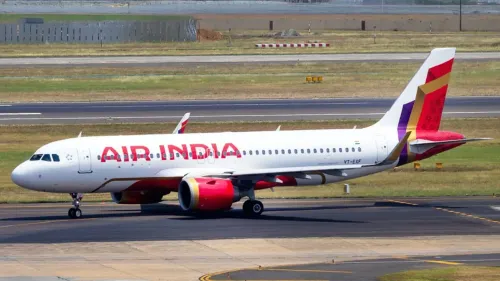
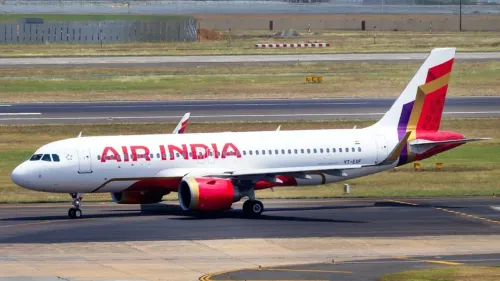
The AAIB is examining technical, operational, medical, and human-factor evidence, including the Airbus A320neo aircraft systems, maintenance records, and interviews with relevant personnel. According to an official statement, all evidence will be examined in its entirety before any conclusions are drawn.
Pilot Fails Second Dope Test
In a significant development, the pilot in command of AI-2379 has reportedly failed a second dope test, sources confirmed. The pilot had initially tested positive for psychoactive substances during post-flight screening in New Delhi after the 4 August incident. A subsequent test also returned positive, reportedly confirming the presence of marijuana.
Sources recounted that the pilot was not in his seat at the time of the altitude drop — the co-pilot was in command of the aircraft when the flight plummeted 300 feet, entering a 'negative-G' scenario. Items in the cockpit floated up, and passengers who were not strapped in suffered serious injuries. Whether the drop was caused by pilot action, technical failure, or hydraulic malfunction remains under investigation.
Government Response and Regulatory Action
Air India has been pulled up by the Ministry of Civil Aviation and the Directorate General of Civil Aviation (DGCA), and directed to address its work culture. The government has also asked the AAIB to expedite the investigation so that more stringent laws and exemplary punishments can be put in place to prevent recurrence.
Civil Aviation Minister Ram Mohan Naidu confirmed the details of injuries sustained, noting that two crew members suffered spinal injuries near the tailbone and neck. A more stringent framework to check crew doping is also under consideration, sources said.
What Happened on 4 August
AI-2379 was carrying 137 passengers and eight crew members en route from Phuket to New Delhi when it experienced the sudden altitude loss during its cruise phase. At least 20 passengers and four crew members were injured. The incident has drawn sharp scrutiny from aviation regulators over crew fitness protocols and airline safety culture.
The AAIB's interim findings are expected to shape the regulatory response, with the government signalling that legislative changes may follow.
Point of View
The DGCA's existing dope-testing protocol has a structural gap, not an edge-case failure. The government's call for 'more stringent laws' is warranted, but the more urgent question is why the current framework did not catch this before departure. India's aviation regulator must answer whether this is an Air India-specific culture problem or a systemic lapse across carriers — and the AAIB's interim report, due within a month, will be the first real test of that accountability.
NationPress
27 Sept 2026
Frequently Asked Questions
What happened on Air India Flight AI-2379?
Air India Flight AI-2379, carrying 137 passengers and eight crew members from Phuket to New Delhi, experienced a sudden 300-foot altitude drop at 36,000 feet during its cruise phase on 4 August. The incident injured 24 people, including four crew members, two of whom sustained spinal injuries near the tailbone and neck.
When will the AAIB submit its interim report on the AI-2379 incident?
The Aircraft Accident Investigation Bureau (AAIB) is expected to submit its interim report within one month, according to sources. The government has asked the AAIB to expedite the investigation so that stronger laws and punishments can be put in place.
Did the Air India pilot test positive for drugs?
Yes. The pilot in command of AI-2379 reportedly tested positive for psychoactive substances during post-flight screening in New Delhi. A second test conducted later also returned positive, reportedly confirming the presence of marijuana. The pilot was not in his seat when the altitude drop occurred.
What is the government doing in response to the Air India incident?
The Ministry of Civil Aviation and the DGCA have pulled up Air India and directed the airline to fix its work culture. The government is also considering a more stringent framework to check crew doping and has asked the AAIB to fast-track its investigation.
How does this case differ from the Air India Ahmedabad crash investigation?
Unlike the Air India AI-171 crash in Ahmedabad, all material evidence in the AI-2379 case — including the Flight Data Recorder (FDR) and Cockpit Voice Recorder (CVR) — is already in investigators' possession, allowing for a faster analysis and interim report.