Air India pilot tests positive for marijuana twice: Opposition demands action
Synopsis
An Air India pilot reportedly failed marijuana dope tests twice after flight AI-2379 suddenly lost 300 feet of altitude mid-cruise, injuring 20 passengers and four crew. With opposition parties demanding DGCA accountability and Congress flagging an unrelated unpublished crash report, the incident has turned into a full-blown aviation safety and governance flashpoint.
Key Takeaways
Air India flight AI-2379 from Phuket to Delhi lost 300 feet of altitude suddenly on 4 August , injuring at least 20 passengers and four crew members .
The pilot-in-command reportedly tested positive for marijuana in two separate dope tests after the flight.
Civil Aviation Minister Ram Mohan Naidu confirmed two crew members sustained spinal injuries near the tailbone and neck.
Opposition MPs from Samajwadi Party and Congress demanded strict action and called on the DGCA to strengthen pre-flight screening norms.
Congress MP Manish Tewari also flagged that the Air India Ahmedabad crash report remains unpublished despite a statutory one-year deadline.
The DGCA had not issued an official public statement on the dope-test results as of the time of reporting.
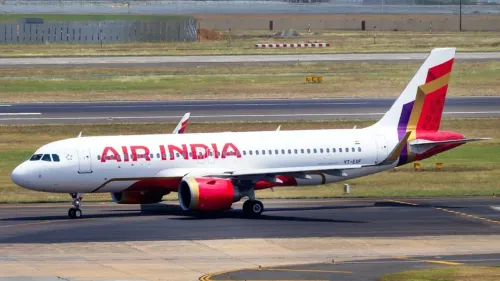
Opposition parties on Wednesday, 12 August raised sharp concerns over reports that the pilot-in-command of Air India flight AI-2379 from Phuket to Delhi allegedly tested positive for marijuana in two separate dope tests conducted after an in-flight incident that left at least 20 passengers and four crew members injured. The development has triggered calls for stronger aviation safety oversight and accountability from the Directorate General of Civil Aviation (DGCA).
What Happened on Flight AI-2379
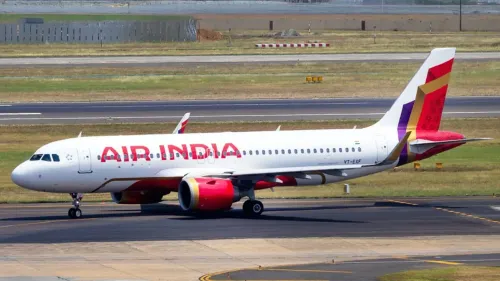
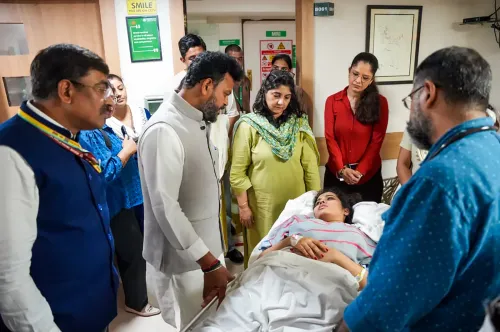
The Air India aircraft was carrying 137 passengers and eight crew members when it experienced a sudden loss of altitude of 300 feet during its cruise phase on 4 August. At least 20 passengers and four crew members sustained injuries in the incident. Civil Aviation Minister Ram Mohan Naidu confirmed that two crew members suffered spinal injuries near the tailbone and neck. Post-flight screening in Delhi reportedly returned a positive result for psychoactive substances, and a second confirmatory test — conducted some time later — also reportedly confirmed the presence of marijuana, according to sources.
Opposition Voices Outrage
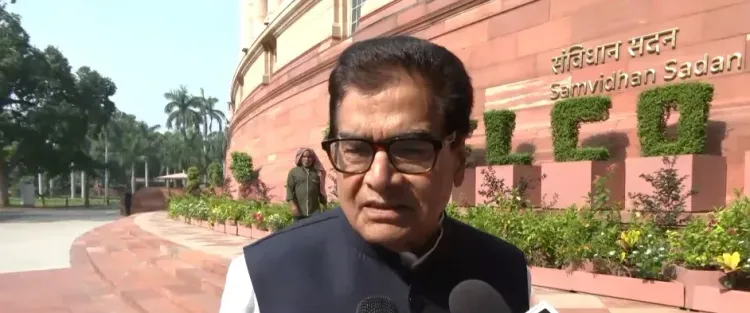
Samajwadi Party MP Ram Gopal Yadav described the matter as extremely serious and called for a thorough investigation. 'This is a very serious matter. He was under the influence of cannabis and was not in his seat at the time. It was only by God's grace that all 137 passengers and the eight crew members were saved,' he said.
Samajwadi Party spokesperson Udaiveer Singh went further, calling it 'an unforgivable crime.' 'This is playing with the lives of the general public. Serious action should be taken against those who put people's lives at risk in this manner. It should also be ensured whether the flight staff are in proper condition or not,' he said.
Congress MP Jebi Mather termed the reports shocking and said a clear message must go out that such conduct is completely unacceptable. 'The lives of hundreds of passengers are in the hands of a pilot. If a pilot is found to have consumed any intoxicating substance, it raises serious concerns about aviation safety,' she said.
Congress Broadens Accountability Demand
Congress MP Manish Tewari said that if the reports are accurate, the DGCA must treat the matter with seriousness and sensitivity. He also raised a separate concern: 'The report on the Air India Ahmedabad plane crash has still not been made public, even though the law states that in the event of such an unfortunate accident, the report should be made public within one year.'
Congress MP Sukhdeo Bhagat acknowledged the safe landing while noting that 17 people were injured. 'As accidents continue to happen repeatedly, the government should look into security measures to ensure passenger safety,' he said. Congress MP Pramod Tiwari held the government directly responsible, saying the Ministry of Civil Aviation must answer for the incident in Parliament. 'When a person buys a ticket and boards a flight, the airline guarantees their safety, security and comfort. A pilot under the influence of drugs is flying a passenger aircraft — the government is responsible for this,' he said.
Regulatory and Safety Implications
This incident is the latest in a series of aviation safety concerns to surface in India in recent months, and it arrives as the DGCA faces scrutiny over pre-flight and post-flight crew screening protocols. Notably, the Air India Ahmedabad crash report — which Congress MP Tewari flagged — remains unpublished despite a statutory one-year deadline, compounding questions about regulatory transparency. The DGCA has not issued a public statement on the dope-test results as of the time of reporting. The pilot's licence status and any suspension orders were also not officially confirmed.
What Happens Next
The DGCA is expected to initiate formal proceedings against the pilot, given that two confirmed positive tests constitute a serious violation of civil aviation regulations. Industry observers say the case may prompt a review of mandatory pre-flight narcotics screening norms across Indian carriers. All eyes are now on whether the Ministry of Civil Aviation tables a response in the ongoing Parliament session.
Point of View
But the deeper problem is systemic: India's pre-flight narcotics screening has long been criticised as inconsistent, and this case suggests post-flight testing — not pre-flight prevention — caught the lapse. The DGCA's silence on the pilot's licence status, combined with the still-unpublished Ahmedabad crash report, points to a regulator that is reactive rather than proactive. Opposition outrage is predictable, but the more consequential question is whether this incident forces a structural overhaul of crew fitness protocols — or becomes another headline that fades without reform.
NationPress
27 Sept 2026
Frequently Asked Questions
What happened on Air India flight AI-2379?
Air India flight AI-2379, carrying 137 passengers and eight crew members from Phuket to Delhi, experienced a sudden loss of altitude of 300 feet during its cruise phase on 4 August. At least 20 passengers and four crew members were injured, with two crew members sustaining spinal injuries.
Did the Air India pilot really test positive for marijuana twice?
According to sources, the pilot-in-command tested positive for psychoactive substances in a post-flight screening in Delhi, and a second confirmatory test also reportedly returned positive for marijuana. The DGCA had not officially confirmed the results publicly as of the time of reporting.
What action has the government taken against the pilot?
No official action had been publicly announced by the DGCA or the Ministry of Civil Aviation as of 12 August. Opposition MPs are demanding that the government table a response in Parliament and ensure stricter pre-flight crew screening across Indian carriers.
Why are opposition parties raising concerns about this incident?
Opposition MPs from the Samajwadi Party and Congress say the incident exposes serious gaps in aviation safety oversight. They argue that a pilot under the influence of drugs endangers hundreds of lives and that the DGCA must enforce stricter mandatory screening protocols and take punitive action.
What is the Ahmedabad crash report that Congress mentioned?
Congress MP Manish Tewari flagged that the official report on a separate Air India crash in Ahmedabad has not been made public despite a statutory requirement to publish it within one year of the accident. He cited this as evidence of broader regulatory opacity in India's civil aviation sector.