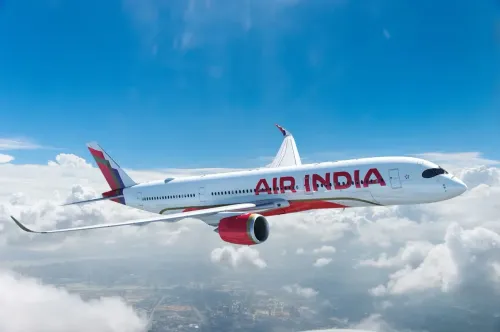
Air India AI2379 pilot tests positive in drug test after Phuket-Delhi turbulence
Synopsis
The pilot of Air India flight AI2379 — which lost 300 feet of altitude on the Phuket-Delhi route on 4 August — has reportedly tested positive for a narcotic substance in a confirmatory drug test. With the airline yet to officially confirm the result and pilots' bodies urging caution, the DGCA's next move could set a landmark precedent for drug enforcement in Indian civil aviation.
Key Takeaways
Air India flight AI2379 lost around 300 feet in altitude on the Phuket-Delhi route on 4 August , injuring passengers and crew.
The pilot-in-command reportedly tested positive for a narcotic substance in a confirmatory drug test on 11 August .
Air India has not officially released the test results; Captain CS Randhawa of the Federation of Indian Pilots said he would await official confirmation.
A confirmed positive result could lead to licence cancellation , criminal penalties, and career-ending consequences for the pilot.
The DGCA had already grounded the flight crew pending investigation; the drug test findings will be factored into its final report.
ALPAI president Captain Sam Thomas cautioned that common medicines and supplements can sometimes trigger non-negative screening results.
The pilot-in-command of Air India flight AI2379, which encountered severe turbulence and a sudden altitude drop of around 300 feet on its Phuket-to-Delhi route on 4 August, has reportedly tested positive for a narcotic substance in a confirmatory drug test conducted on Tuesday, 11 August. The development marks a significant escalation in the ongoing investigation into one of Indian aviation's more closely watched incidents of the year.
What Happened on Flight AI2379
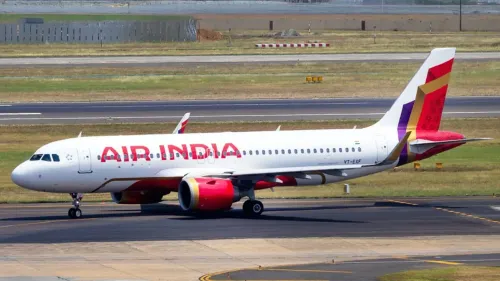
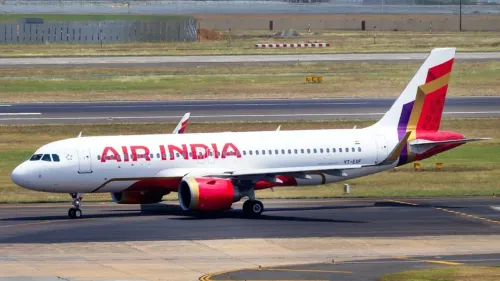
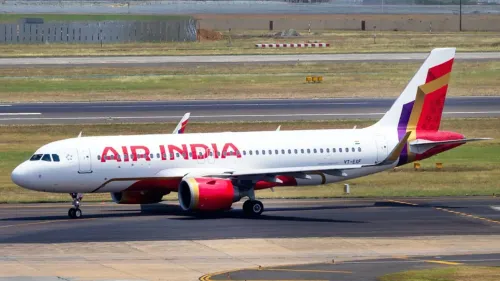
The Airbus A320, operating the Phuket-Delhi sector, experienced a sharp, uncontrolled loss of approximately 300 feet in altitude mid-flight before the aircraft stabilised and landed safely at Delhi. Several passengers and cabin crew members sustained injuries during the incident. The Directorate General of Civil Aviation (DGCA) had already taken the flight crew off the roster pending the outcome of its investigation.
The Drug Test Timeline
Following standard post-incident protocol, the pilot-in-command underwent a routine psychoactive substance screening after the flight. That initial test returned a non-negative result, triggering a mandatory confirmatory drug test. According to reports, the confirmatory test, completed on Tuesday, also returned a positive result for a narcotic substance. The airline has not officially released the test results as of the time of reporting.
What Pilots' Bodies Are Saying
Captain CS Randhawa, President of the Federation of Indian Pilots, urged caution pending official confirmation. 'Currently, the doping test results are not out officially by the airline, so we will wait for the official confirmation. I won't comment that that test is positive,' he said. Randhawa added that if the result is officially confirmed as positive, cancellation of the pilot's licence could be among the repercussions, alongside penalties and other consequences affecting the pilot's career.
Captain Sam Thomas, President of the Airline Pilots' Association of India (ALPAI), noted that the body has repeatedly sensitised its members about the possibility of commonly used medicines and dietary supplements producing non-negative results in post-flight drug screenings — cautioning against drawing firm conclusions from an initial test alone.
Regulatory and Industry Context
The DGCA mandates post-incident drug and alcohol screening for flight crew involved in aviation occurrences. A confirmed positive test for a narcotic substance would constitute a serious regulatory violation under Indian civil aviation rules, with licence revocation among the severest possible outcomes. This comes amid broader scrutiny of flight safety standards in India following several high-profile incidents over the past year. The investigation into the AI2379 altitude-loss event remains ongoing.
What Happens Next
Official confirmation of the test result by Air India or the DGCA is the immediate next step. Depending on the outcome, the pilot could face licence cancellation, criminal proceedings under narcotics laws, and civil aviation penalties. The DGCA is expected to factor the drug test findings into its broader inquiry into the turbulence incident. All eyes are now on the regulator's final report.
Point of View
And the drug test result, which pilots' associations are right to flag as requiring official verification before conclusions are drawn. Indian aviation's drug-testing framework has long been criticised for inconsistent enforcement; this case will test whether the DGCA moves with the rigour the situation demands or defaults to procedural delay. The reputational stakes for Air India, still rebuilding under Tata ownership, are considerable.
NationPress
26 Sept 2026
Frequently Asked Questions
What happened on Air India flight AI2379?
Air India flight AI2379, an Airbus A320 operating the Phuket-to-Delhi route, experienced severe turbulence and an abrupt loss of around 300 feet in altitude on 4 August. The aircraft subsequently stabilised and landed safely in Delhi, but several passengers and cabin crew members were injured.
Why did the Air India pilot undergo a drug test?
Post-incident drug and alcohol screening is mandatory under DGCA regulations for flight crew involved in aviation occurrences. The pilot-in-command's initial post-flight psychoactive substance screening returned a non-negative result, triggering a follow-up confirmatory drug test.
Has Air India officially confirmed the positive drug test result?
No. As of 11 August, Air India had not officially released the drug test results. Captain CS Randhawa of the Federation of Indian Pilots stated he would not comment on media reports until there was an official confirmation from the airline or the DGCA.
What are the consequences if the drug test is confirmed positive?
A confirmed positive result for a narcotic substance could lead to cancellation of the pilot's licence, financial penalties, and other regulatory consequences under Indian civil aviation rules. Criminal proceedings under narcotics laws are also a possibility.
What is the ALPAI's position on the drug test result?
Captain Sam Thomas, President of the Airline Pilots' Association of India (ALPAI), cautioned against drawing firm conclusions from the test, noting that commonly used medicines and dietary supplements can sometimes produce non-negative results in post-flight drug screenings.