Alpine Textworld stock down 47% in a month after NSE listing
Synopsis
Alpine Textworld's market debut has turned into a cautionary tale for small-cap IPO investors: eight consecutive lower circuits in the first eight sessions, a stock that has nearly halved from its Rs 105 issue price, and a market cap erosion that the company's modest quarterly profit of Rs 4.37 crore does little to offset. The question now is whether the IPO was simply mispriced — or whether the textile sector's structural pressures are the deeper story.
Key Takeaways
Alpine Textworld shares closed at Rs 55.84 on 25 August , down 46.81 per cent from the IPO issue price of Rs 105 .
The stock listed on the NSE on 21 July and hit a 5 per cent lower circuit on its very first trading day.
Eight consecutive lower circuits in the first eight sessions saw the share price fall to around Rs 69 .
The Rs 126.25 crore IPO was a fresh issue entirely, with the offer open between 14–16 July .
For FY 2025–26 , the company reported total income of Rs 350.18 crore and profit after tax of Rs 21.72 crore .
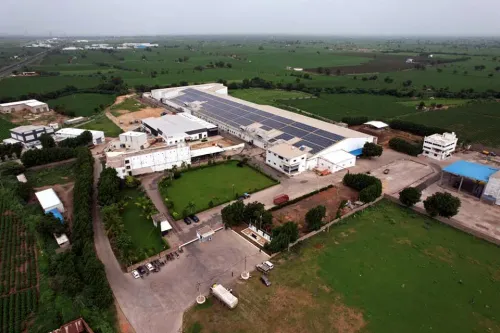
Founded in February 2016 , the company operates in textile dyeing and processing.
Shares of Alpine Textworld have shed nearly 47 per cent of their value within just over a month of their stock market debut, raising fresh concerns about post-listing performance of small-cap textile IPOs on the National Stock Exchange (NSE). The stock closed at Rs 55.84 on Tuesday, 25 August, down 2.60 per cent from the previous session.
A Rough Start From Day One
Alpine Textworld listed on the NSE on 21 July at Rs 105 per share — in line with the upper end of its IPO price band of Rs 100–105. The debut offered little relief to investors: the stock hit a 5 per cent lower circuit on its very first trading day, signalling weak secondary-market appetite despite a fully subscribed mainboard IPO.
The selling did not relent. The stock hit seven consecutive 5 per cent lower circuits in the sessions that followed, erasing roughly Rs 36 per share in just eight trading days, dragging the price to around Rs 69.
Sustained Slide Through August
The downward pressure continued through August, with the stock breaching the Rs 60 mark before settling at Rs 55.84 on Tuesday. At that level, the share price stood 46.81 per cent below both the IPO issue price and the listing price of Rs 105 — a near-halving in market value in little over a month.
The Rs 126.25 crore IPO, open between 14 and 16 July, comprised entirely a fresh issue of shares, meaning all proceeds went to the company rather than existing shareholders. That structure typically signals the company's intent to deploy capital for growth — but the market's post-listing verdict has been sharply negative.
Financials: Modest But Positive
Alpine Textworld reported its April–June 2025 quarterly results on 14 August. Total income for the quarter stood at Rs 90.32 crore, with profit after tax of Rs 4.37 crore and total expenses of Rs 84.23 crore.
For the full financial year 2025–26, the company reported total income of Rs 350.18 crore, EBITDA of Rs 47.45 crore, and profit after tax of Rs 21.72 crore. While the numbers reflect a profitable operation, the market appears unconvinced that the IPO valuation was justified at the upper end of the price band.
Company Background
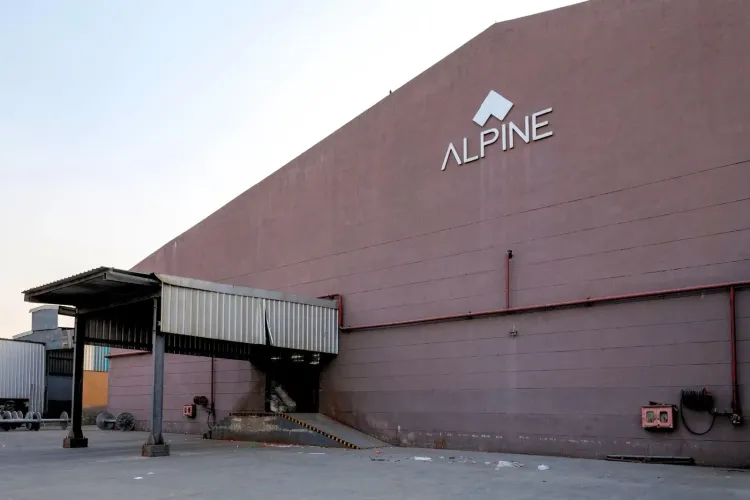
Founded in February 2016, Alpine Textworld operates in the textile dyeing and processing segment, focusing on quality processed textile products. The sector is capital-intensive and margin-sensitive, with profitability closely tied to raw material costs and export demand cycles.
What Investors Are Watching
The stock's trajectory will likely depend on whether the company can deploy IPO proceeds to meaningfully improve margins and revenue growth in the quarters ahead. Analysts tracking small-cap textile listings note that lower-circuit chains of this magnitude often reflect a mismatch between IPO pricing and institutional demand — a dynamic that takes several quarters to correct. Any improvement in quarterly earnings or a broader rally in the textile sector could provide a floor, but recovery to the issue price appears a distant prospect for now.
Point of View
With insufficient institutional anchor to absorb post-listing supply. A fresh-issue-only structure means retail investors bore the full brunt of the correction while the company retained the capital. With Q1 profit at just Rs 4.37 crore against a Rs 126.25 crore raise, the earnings runway needed to justify the IPO valuation is long — and the market has priced that gap in brutally fast.
NationPress
10 Oct 2026
Frequently Asked Questions
Why has Alpine Textworld's share price fallen so sharply after listing?
Alpine Textworld shares fell nearly 47 per cent from the IPO issue price of Rs 105 within a month of listing, driven by sustained selling pressure that began on the very first trading day. The stock hit eight consecutive 5 per cent lower circuits in its first eight sessions, suggesting the IPO was priced above what secondary-market buyers were willing to pay.
What was Alpine Textworld's IPO price and listing price?
The IPO price band was Rs 100–105 per share, and the stock listed on the NSE on 21 July at Rs 105 — the upper end of the band. It has since fallen to Rs 55.84 as of 25 August.
How did Alpine Textworld perform financially in its latest results?
For the April–June 2025 quarter, Alpine Textworld reported total income of Rs 90.32 crore and profit after tax of Rs 4.37 crore. For the full financial year 2025–26, total income was Rs 350.18 crore, EBITDA was Rs 47.45 crore, and profit after tax was Rs 21.72 crore.
What does Alpine Textworld do as a business?
Alpine Textworld, founded in February 2016, operates in the textile dyeing and processing segment, producing quality processed textile products. It is a capital-intensive business sensitive to raw material costs and export demand.
Can Alpine Textworld's stock recover to its IPO price?
Recovery to the Rs 105 issue price appears unlikely in the near term, according to market observers. A sustained improvement in quarterly earnings, successful deployment of IPO proceeds, or a broader sectoral rally in textiles would likely be prerequisites for any meaningful price recovery.