CM Sai hikes sugarcane price to ₹425/quintal in Chhattisgarh
Synopsis
Chhattisgarh CM Vishnu Deo Sai announced a revised sugarcane purchase price of ₹425 per quintal for sugar mills, with retroactive application to the ongoing 2025-26 crushing season, following talks with a Bharatiya Kisan Sangh delegation.
Key Takeaways
Chhattisgarh has revised the sugarcane purchase price at sugar factories to ₹425 per quintal .
The enhanced rate applies retroactively to all cane bought during the 2025-26 crushing season , meaning pending dues will be settled at the higher rate.
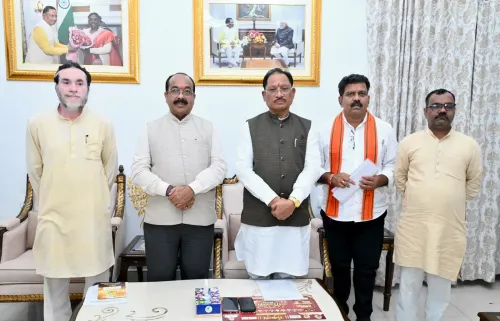
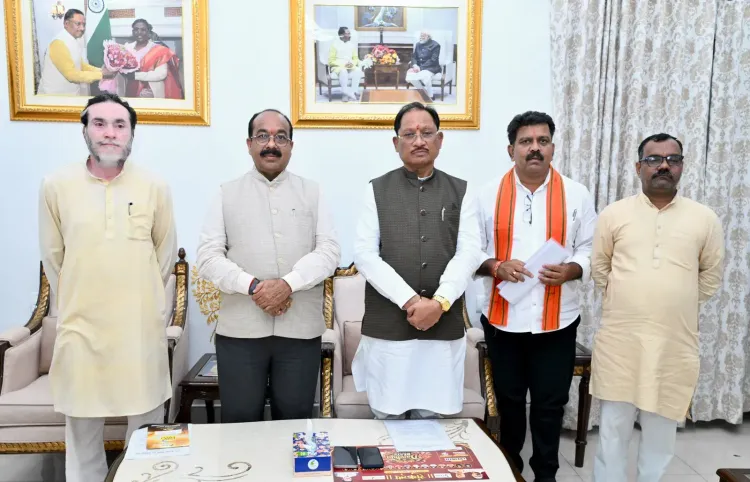
The decision followed a delegation meeting with the Bharatiya Kisan Sangh Chhattisgarh Pradesh , led by organisation secretary Manish Sharma and general secretary Naveen Shesh .
Both Deputy CM Arun Sao and Deputy CM Vijay Sharma were present at the meeting, indicating executive consensus.
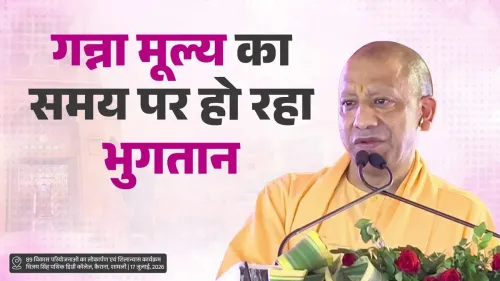
CM Sai cited making farming profitable and ensuring better returns for the annadata as the government's stated resolve.
A single meeting with farmer representatives changed the math for every sugarcane grower in Chhattisgarh. Chhattisgarh Chief Minister Vishnu Deo Sai announced on Saturday, 10 October 2026 that the state-mandated purchase price for sugarcane at sugar factories has been revised upward to ₹425 per quintal — and crucially, the higher rate will apply retroactively to all purchases made during the ongoing crushing season 2025-26.
The Bharatiya Kisan Sangh meeting that triggered the revision
The decision followed a face-to-face meeting with a delegation from the Bharatiya Kisan Sangh Chhattisgarh Pradesh, including organisation secretary Manish Sharma and general secretary Naveen Shesh. CM Sai described the interaction as an 'aatmiya bhet aur sarthak charcha' — a warm meeting and productive discussion. Both Deputy Chief Ministers Arun Sao and Vijay Sharma were present, signalling the administration's unified weight behind the announcement.
Retroactive payment: what it means for the 2025-26 crushing season
The retroactive clause is the headline inside the headline. Sugar mills in Chhattisgarh have been procuring cane through the current crushing season at a lower benchmark. With the revised rate now backdated, farmers who have already supplied cane this season will receive the difference — a direct cash transfer of pending dues at the new, higher price. CM Sai framed the move in terms of the government's core commitment: 'Kisanon ko unki mehnat ka behtar pratifal mile, kheti labhdayak bane' — 'that farmers receive a better return for their labour, that farming becomes profitable.'
Chhattisgarh's sugarcane belt and the weight of this revision
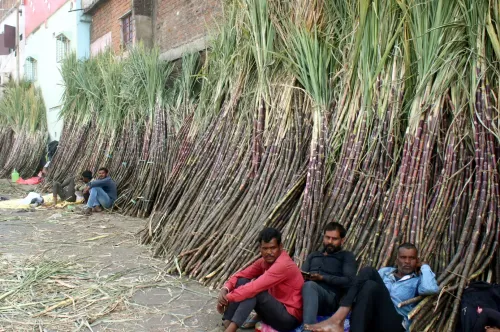
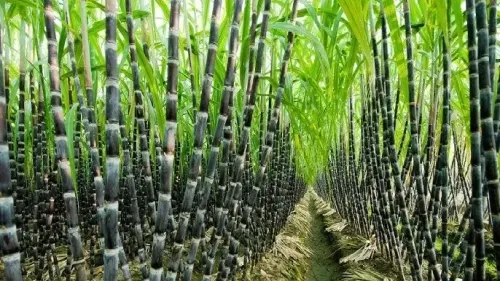
Chhattisgarh's sugar sector is centred in districts like Kabirdham, Durg, and Rajnandgaon, where tens of thousands of smallholder farmers depend on cane as a primary cash crop. A revision in the state-advised price directly determines seasonal income for these households. The involvement of the Bharatiya Kisan Sangh — the farmer-outreach wing closely associated with the RSS ecosystem — also underscores that the demand for a better price had been building through organised channels before this breakthrough.
For a state government that has made farmer welfare a consistent brand promise since taking office, delivering a concrete, retroactive price hike ahead of peak crushing activity is a pointed piece of political arithmetic — and a tangible cheque for the annadata, the 'food giver', in its own fields.
Point of View
Delivering tangible relief to farmers already mid-season. By routing the announcement through a Bharatiya Kisan Sangh meeting, the Sai government reinforces a pattern of structured farmer-outreach that bypasses bureaucratic channels and builds direct organisational goodwill. With assembly elections still years away, moves like this consolidate the BJP's agrarian credibility in a state where farmer distress has historically swung rural seats. The presence of both Deputy CMs frames this as a whole-government priority, not a symbolic gesture.
NationPress
10 Oct 2026
Frequently Asked Questions
What is the new sugarcane price in Chhattisgarh 2026?
Chhattisgarh has set the sugarcane purchase price at ₹425 per quintal for sugar factories, as announced by Chief Minister Vishnu Deo Sai on 10 October 2026.
Will the new sugarcane rate apply to the current crushing season?
Yes. CM Sai confirmed that the higher rate of ₹425 per quintal will be applied retroactively to all sugarcane purchases made during the 2025-26 crushing season.
Who met CM Vishnu Deo Sai regarding the sugarcane price hike?
A delegation from the Bharatiya Kisan Sangh Chhattisgarh Pradesh, including organisation secretary Manish Sharma and general secretary Naveen Shesh, met CM Sai before the decision was taken.
Which Chhattisgarh deputy CMs were present at the sugarcane price meeting?
Deputy Chief Ministers Arun Sao and Vijay Sharma were both present at the meeting where the revised sugarcane price was announced.
What was the previous sugarcane purchase rate in Chhattisgarh?
The post does not specify the previous rate; it confirms only that the new rate is ₹425 per quintal, revised upward from an earlier lower benchmark for the 2025-26 season.