Muslim clerics urge youth to skip CJP protest at Jantar Mantar on Oct 10
Synopsis
Senior Muslim clerics, led by All India Imam Organisation head Umar Ahmed Ilyasi, have issued pointed video appeals urging Muslim youth to stay away from the CJP protest at Jantar Mantar on 10 October — saying political parties have historically 'used' the community without delivering anything in return. The intervention signals a rare public fracture between Muslim religious leadership and opposition-aligned political mobilisation.
Key Takeaways
Umar Ahmed Ilyasi , head of the All India Imam Organisation , issued a video appeal on 10 October urging Muslims not to join the CJP protest at Jantar Mantar .
Ilyasi warned that political parties have historically used the Muslim community 'but in return, we get nothing.' Maulana Mufti Shahabuddin Razvi Barelvi of the All India Muslim Jamaat cited violent incidents at earlier CJP protests and warned Muslim participants faced 'considerable difficulties' afterwards.
The protest targets Chief Election Commissioner Gyanesh Kumar and has attracted support from several opposition parties.
The clerics' appeals reflect a broader concern about community vulnerability and political instrumentalisation ahead of upcoming state elections.
Multiple senior Muslim clerics on Friday, 10 October appealed to the Muslim community — especially the youth — to stay away from an upcoming protest organised by the Congress Janta Party (CJP) at Jantar Mantar, New Delhi, against Chief Election Commissioner (CEC) Gyanesh Kumar. The clerics warned that Muslims must not allow themselves to be 'used' by political parties that offer nothing in return.
What the clerics said
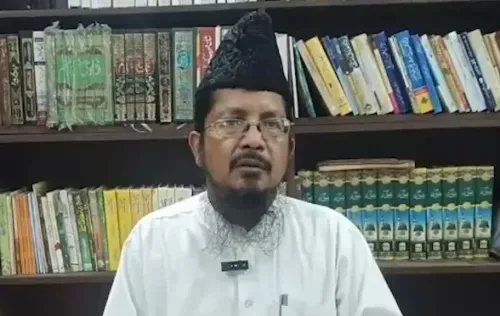
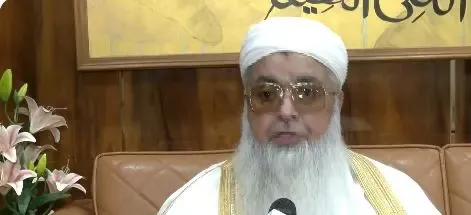
Umar Ahmed Ilyasi, head of the All India Imam Organisation, issued a video appeal urging Muslims and mosque imams across the country not to participate in the demonstration. 'Several political parties have called for participation in the demonstration on October 10. I appeal to all Muslims and the imams of mosques that they should not join this demonstration on October 10. This is not our demonstration,' Ilyasi said.
Ilyasi went further, warning of what he described as a broader threat to national harmony. 'Anti-national forces have become active, and a major conspiracy to spoil the atmosphere of the country is visible,' he added in the video message.
Support from other religious leaders
Maulana Chaudhary Ifraheem Husain backed Ilyasi's appeal, saying no one should participate in activities that disrupt 'mutual brotherhood, peace, and order.' He echoed the view that such demonstrations risked undermining communal harmony.
All India Muslim Jamaat National President Maulana Mufti Shahabuddin Razvi Barelvi acknowledged that peaceful protest is a legal right, but raised specific concerns over the potential for violence. 'Holding a sit-in protest is every person's right; it is our legal right. However, when a protest turns violent, no one can be allowed to resort to violence,' he said.
Concerns over past violence and community vulnerability
Razvi Barelvi specifically addressed Muslim youth in Delhi and districts of Uttar Pradesh, urging them not to join the CJP's sit-in under any circumstances. He cited violent incidents during earlier CJP protests and warned that Muslim participants had subsequently faced 'considerable difficulties.' His remarks reflect a broader concern among religious leaders that the community's involvement could expose individuals to legal and social risk.
Context: The protest and the CEC controversy
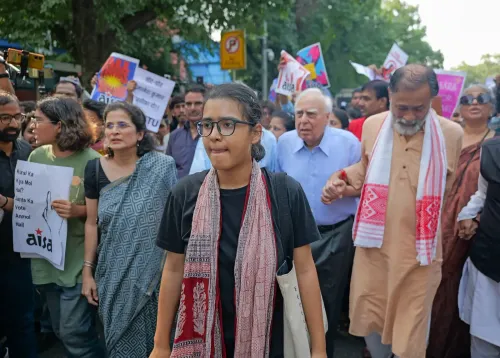
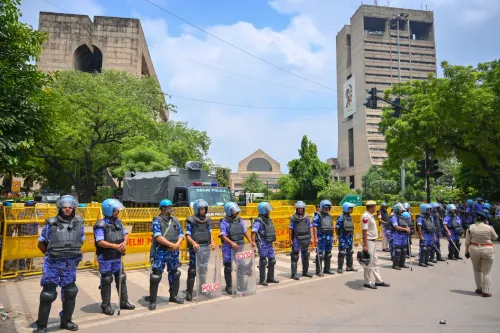
The CJP protest at Jantar Mantar targets Chief Election Commissioner Gyanesh Kumar, with opposition parties calling for accountability over electoral processes. The demonstration has drawn political support from several parties. The clerics' appeals, however, signal that a section of Muslim religious leadership is actively discouraging community participation — framing the agitation as a political instrument rather than a cause that serves Muslim interests. This comes amid a broader debate over minority political mobilisation in the run-up to state elections in several regions.
Point of View
And it raises a legitimate question about whether minority communities have been net beneficiaries of the political alliances they are repeatedly mobilised to support. The warning about past participants facing 'considerable difficulties' deserves scrutiny: it is either a sober assessment of legal risk, or a form of social pressure that could itself be seen as discouraging lawful dissent. What this moment reveals is that the fissure between Muslim political interests and Muslim religious leadership is wider than mainstream coverage typically acknowledges.
NationPress
10 Oct 2026
Frequently Asked Questions
Why did Muslim clerics ask youth not to join the CJP protest in Delhi?
Senior clerics, including All India Imam Organisation head Umar Ahmed Ilyasi, appealed to Muslim youth to stay away from the CJP protest at Jantar Mantar on 10 October, arguing that political parties have historically used the Muslim community without delivering any tangible benefit. They also cited concerns over potential violence and the legal difficulties faced by Muslim participants in earlier CJP demonstrations.
What is the CJP protest at Jantar Mantar about?
The protest, organised by the Congress Janta Party (CJP), is directed against Chief Election Commissioner Gyanesh Kumar and has drawn support from several opposition parties questioning electoral accountability. It is scheduled to be held at Jantar Mantar in New Delhi on 10 October.
Who are the clerics who issued the appeal?
The key figures are Umar Ahmed Ilyasi, head of the All India Imam Organisation; Maulana Chaudhary Ifraheem Husain; and All India Muslim Jamaat National President Maulana Mufti Shahabuddin Razvi Barelvi. All three urged Muslims — particularly youth in Delhi and Uttar Pradesh — not to participate in the sit-in.
Did any cleric support the right to protest?
Maulana Mufti Shahabuddin Razvi Barelvi acknowledged that holding a sit-in is a legal right, but he drew a clear line at violence. He warned that when protests turn violent, no one should be allowed to resort to such acts, and specifically cautioned Muslim youth given past incidents during CJP demonstrations.
What concerns did clerics raise about Muslim participation in such protests?
Clerics raised two primary concerns: first, that Muslim participants in earlier CJP protests subsequently faced 'considerable difficulties'; and second, that anti-national forces were exploiting the political climate to destabilise communal harmony. Ilyasi described the broader situation as a 'major conspiracy to spoil the atmosphere of the country.'