Trump-Putin diesel deal: Russia to supply 4.8 mn tonnes to US, global markets
Synopsis
In a dramatic geopolitical pivot, Trump announced a direct US-Russia diesel supply deal — over 4.8 million tonnes across multiple tranches — after a phone call with Putin, framing it as a twin strategy with US control of the Strait of Hormuz to slash global fuel prices. The deal raises immediate questions about sanctions compliance and Western energy solidarity.
Key Takeaways
Donald Trump announced a diesel supply agreement with Vladimir Putin on 10 October 2026 after a phone call between the two leaders.
Russia will supply more than 4.8 million tonnes of diesel in stages: over 300,000 tonnes immediately, 500,000 tonnes in November , one million tonnes shortly after, and a further three million tonnes subject to refinery conditions.
Trump linked the deal to American control of the Strait of Hormuz , framing both as tools to cut global diesel prices.
Trump said lower fuel prices for farmers, ranchers, and truckers is his 'Greatest Priority.' Trump reiterated that Iran 'will not have a Nuclear Weapon,' though he did not confirm whether Iran was discussed with Putin.
The deal raises unresolved questions about US sanctions on Russian energy and coordination with Western allies.
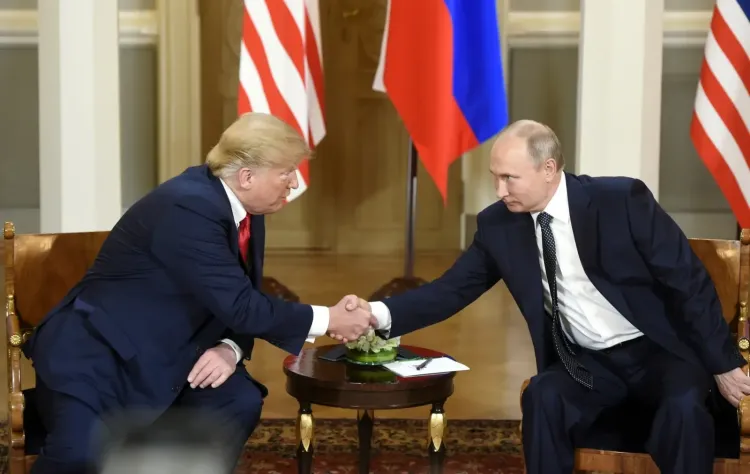
US President Donald Trump on Friday, 10 October 2026 announced a major energy agreement with Russian President Vladimir Putin, under which Russia would supply more than 4.8 million tonnes of diesel to the United States and global markets across multiple tranches — a deal Trump said would bring fuel prices down 'in record numbers, and fast.'
What the Deal Covers
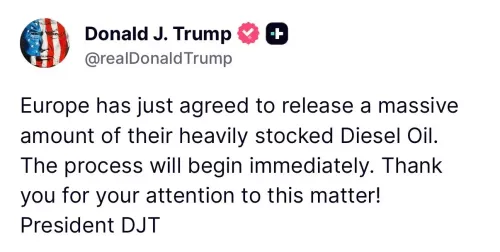
According to Trump, the two leaders spoke by phone on Friday, after which he posted details of the agreement on his Truth Social platform. Under the terms outlined, Russia would immediately supply more than 300,000 tonnes of diesel to American and global markets. A further 500,000 tonnes would follow in November, with an additional one million tonnes immediately thereafter. Trump said Russia would subsequently deliver another three million tonnes, contingent on the condition of its refining facilities. In total, the quantities outlined amount to more than 4.8 million tonnes across the proposed arrangement's various stages.
Trump's Strategic Framing
Trump linked the Russian diesel agreement to what he described as American control over the Strait of Hormuz, a strategically vital maritime corridor through which a significant share of global energy shipments pass. 'Between our TOTAL CONTROL of the Strait of Hormuz, and this great announcement on Russian Energy, Diesel Prices for Americans and, indeed, the World, will be COMING DOWN, IN RECORD NUMBERS, AND FAST!' Trump wrote, presenting the two developments as complementary pillars of his energy policy. He placed particular emphasis on the deal's expected impact on American farmers, ranchers, and truckers — sectors that depend heavily on diesel. 'Lower prices for Americans, especially our Great Farmers, Ranchers, and Truckers, is my Greatest Priority,' he said.
Iran Nuclear Warning Attached
In the same statement, Trump reiterated his administration's position on Iran's nuclear programme, connecting the energy announcement with broader regional security priorities. 'Additionally, it must be understood, that Iran will not have a Nuclear Weapon!' he said. He did not clarify whether Iran was discussed during the Putin call or whether any understanding concerning Tehran had emerged from the conversation.
Context and Implications
The announcement comes as the Trump administration has made lowering domestic energy costs a centrepiece of its economic messaging, particularly for rural and transport-dependent constituencies. Notably, a direct US-Russia diesel supply arrangement of this scale would mark a significant shift in Western energy policy, which has broadly moved to reduce dependence on Russian energy following Moscow's invasion of Ukraine. It was not immediately clear from Trump's statement whether the deal had been coordinated with US allies, or whether it addresses existing sanctions frameworks that have complicated Russian energy trade since 2022. Analysts and trade observers are expected to scrutinise implementation details, including logistics, pricing benchmarks, and compliance with existing US and European sanctions regimes. This is the first publicly announced direct US-Russia energy supply agreement of this magnitude since the onset of the Ukraine conflict.
Point of View
An alliance story, and a Ukraine war story. Western policy since 2022 has been built on reducing Russian energy revenues; a bilateral US deal of this magnitude, if implemented, would undercut that architecture and put Washington at odds with Brussels and London. Trump's framing — Strait of Hormuz control plus Russian diesel — is politically potent domestically but strategically contradictory: the US has sought to isolate Moscow while simultaneously negotiating an energy windfall for it. The Iran footnote, attached without explanation, suggests this call covered more ground than a fuel price announcement — and what was left unsaid may matter more than what was.
NationPress
10 Oct 2026
Frequently Asked Questions
What did Trump announce about a Russia diesel deal?
Trump announced on 10 October 2026 that he had agreed with Russian President Vladimir Putin for Russia to supply more than 4.8 million tonnes of diesel to the United States and global markets across multiple tranches. Trump said the deal, revealed via his Truth Social platform after a phone call with Putin, would sharply reduce diesel prices.
How much diesel will Russia supply under the deal?
According to Trump, Russia will supply over 300,000 tonnes immediately, 500,000 tonnes in November, one million tonnes shortly thereafter, and a further three million tonnes depending on the state of Russia's refining facilities — totalling more than 4.8 million tonnes.
Why is the Trump-Putin diesel agreement significant?
It would mark the first publicly announced direct US-Russia energy supply deal of this scale since Russia's 2022 invasion of Ukraine. Western nations have broadly sought to cut Russian energy revenues through sanctions; a bilateral US arrangement could complicate that policy and strain relations with European allies.
What did Trump say about the Strait of Hormuz?
Trump linked the diesel deal to what he described as American 'total control' of the Strait of Hormuz, a critical maritime passage for global energy shipments. He presented both developments as central to his strategy to bring diesel prices down sharply for American consumers.
Did Trump discuss Iran during the Putin call?
Trump reiterated in his statement that Iran 'will not have a Nuclear Weapon,' but he did not clarify whether Iran's nuclear programme was discussed with Putin or whether any understanding on Tehran emerged from the conversation.