CM Yogi raises sugarcane price to ₹400 per quintal for UP farmers
Synopsis
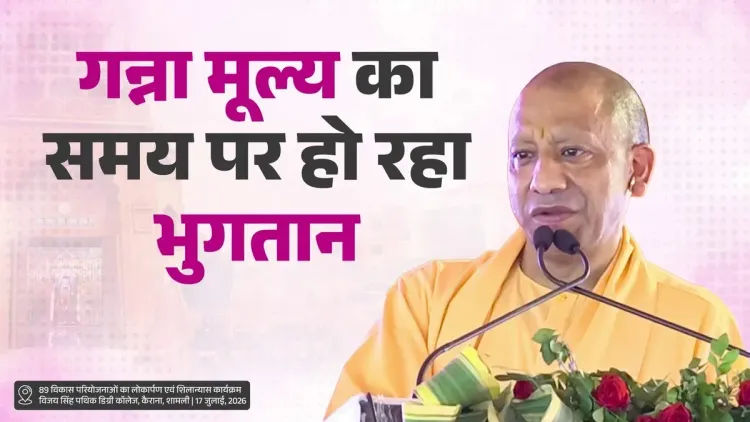
Chief Minister Yogi Adityanath's office announced on 17 July 2026 that Uttar Pradesh has raised the sugarcane purchase price to ₹400 per quintal and introduced a time-bound payment system, delivering a direct income boost to the state's cane-growing farmers.
Key Takeaways
CM Yogi Adityanath announced that Uttar Pradesh has set the sugarcane price at ₹400 per quintal for farmers.
The government has also put in place a time-bound payment system to ensure mills pay farmers on schedule.
Uttar Pradesh is India's largest sugarcane-producing state and uses a State Advised Price (SAP) that exceeds the central Fair and Remunerative Price.
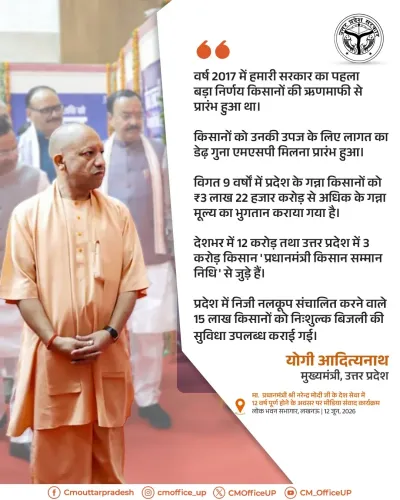
The Yogi Adityanath government has focused on clearing sugarcane arrears and raising cane prices since taking office in 2017 .
The 2026-27 crushing season start date will determine when the ₹400 rate applies to active procurement.
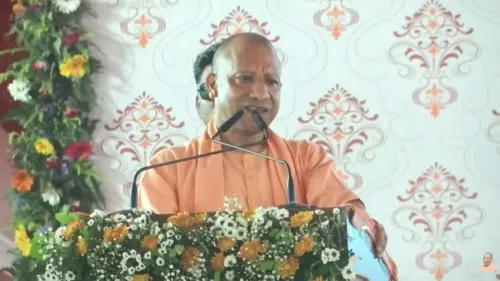
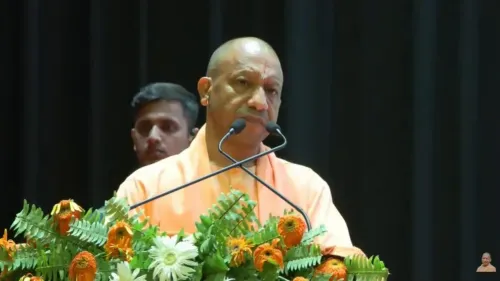
The Chief Minister's Office of Uttar Pradesh, citing Chief Minister Yogi Adityanath, announced on Friday, 17 July 2026 that the state has raised the sugarcane purchase price to ₹400 per quintal and put in place a system to ensure timely payments to cane growers across the state.
Context
The official post quotes CM Yogi Adityanath directly: 'जब मेरे सामने गन्ना किसानों को समय पर भुगतान का प्रस्ताव आया, तो हमने न केवल समयबद्ध भुगतान की व्यवस्था की, बल्कि गन्ने का मूल्य बढ़ाकर सीधे ₹400 प्रति क्विंटल किया।' ('When the proposal for timely payment to sugarcane farmers came before me, we not only put in place a time-bound payment system, but also raised the cane price directly to ₹400 per quintal.')
The Chief Minister added that farmers — described as 'annadata' (providers of food) — are today receiving ₹400 per quintal for their sugarcane. The statement underlines both the price revision and the enforcement of payment timelines as twin commitments of the state government.
Policy Backdrop
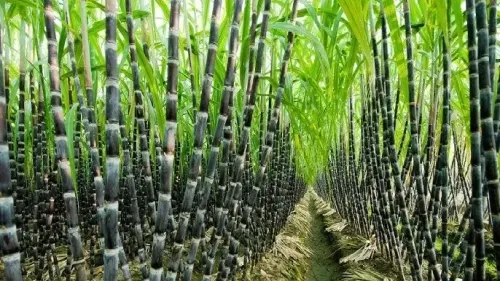
Uttar Pradesh is India's largest sugarcane-producing state. The state government fixes a State Advised Price (SAP) for sugarcane, which is set above the central government's Fair and Remunerative Price (FRP) to better reflect local cultivation costs and ensure farmer viability.
Since taking office in 2017, the Yogi Adityanath government has repeatedly intervened to clear accumulated sugarcane payment arrears — which had at times run into thousands of crores of rupees — and to progressively revise the SAP upward. The ₹400 per quintal figure represents the current state-advised rate being cited by the government as a benchmark of farmer welfare delivery.
This approach mirrors a broader pattern seen across major sugar-producing states, where SAP revisions and payment enforcement mechanisms are used to bridge the gap between central pricing and on-ground farmer costs, while maintaining a steady cane supply to mills.
Stakeholders and Impact
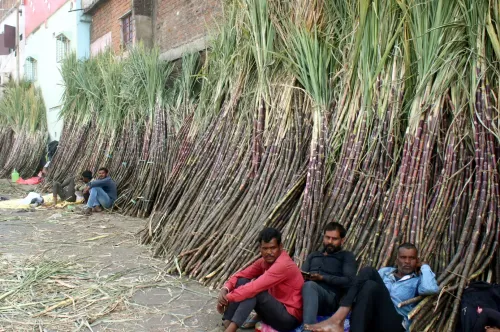
Sugarcane farmers across Uttar Pradesh stand to benefit directly from the revised price, which guarantees a minimum return per quintal sold to sugar mills. For smallholder farmers, for whom cane is often the primary cash crop, the combination of a higher price and assured timely payment reduces financial stress between harvests.
Sugar mills in the state are the intermediary buyers obligated to pay the SAP. The government's emphasis on 'time-bound payment' signals continued regulatory pressure on mills to clear dues promptly, a longstanding friction point in the state's sugar economy. Consumers and the broader food supply chain also have a stake, as cane prices influence sugar production costs and availability.
What's Next
The formal gazette notification or government order specifying the effective date and full terms of the ₹400 per quintal rate will be the next document to watch. The 2026-27 crushing season start date will also determine how widely and immediately this price applies to ongoing procurement.
With Uttar Pradesh elections on the political horizon and farmer welfare remaining a central plank of the Yogi Adityanath administration, further announcements on cane pricing or arrear clearance timelines are likely as the crushing season approaches. The government's ability to sustain both the higher SAP and timely payment enforcement will be closely watched by farmer groups and mill operators alike.
Point of View
The Yogi Adityanath government is addressing two of the most persistent grievances in the state's sugar economy simultaneously. This fits a consistent pattern of using the State Advised Price as both a welfare instrument and a political signal, distinguishing UP's approach from states that rely solely on the central FRP. Whether mills can absorb the higher SAP without accumulating fresh arrears will be the real test of the policy's durability.
NationPress
15 Oct 2026
Frequently Asked Questions
What is the new sugarcane price in Uttar Pradesh in 2026?
The Uttar Pradesh government has set the sugarcane purchase price at ₹400 per quintal , as announced by Chief Minister Yogi Adityanath's office on 17 July 2026.
What is the difference between SAP and FRP for sugarcane?
The Fair and Remunerative Price (FRP) is fixed by the central government as the minimum cane price. The State Advised Price (SAP) is set by individual states — like Uttar Pradesh — at a higher level to better cover local cultivation costs.
How has Yogi Adityanath helped sugarcane farmers in UP?
Since 2017 , the Yogi Adityanath government has worked to clear accumulated sugarcane payment arrears running into thousands of crores and has progressively raised the State Advised Price, now citing ₹400 per quintal as the current rate.
Why are timely payments to sugarcane farmers important?
Sugar mills sometimes delay payments to cane farmers, creating financial hardship for growers who depend on cane as their primary cash crop. A time-bound payment system ensures farmers receive dues promptly after supplying cane to mills.
Which state produces the most sugarcane in India?
Uttar Pradesh is India's largest sugarcane-producing state, making government decisions on cane pricing and payment enforcement especially consequential for the country's overall sugar economy.