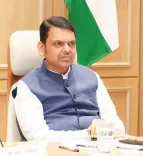
CM Rekha Gupta pitches Delhi as world-class tourism hub at FAITH Conclave 2026
Synopsis
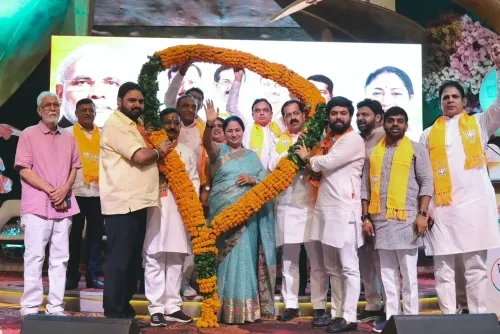
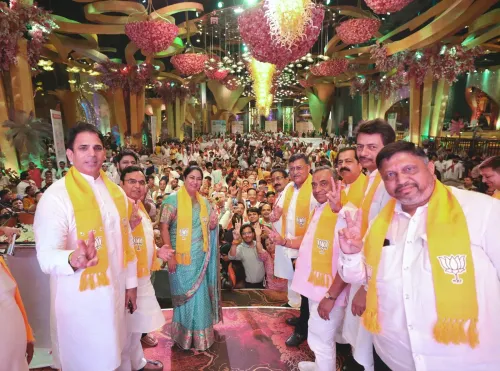
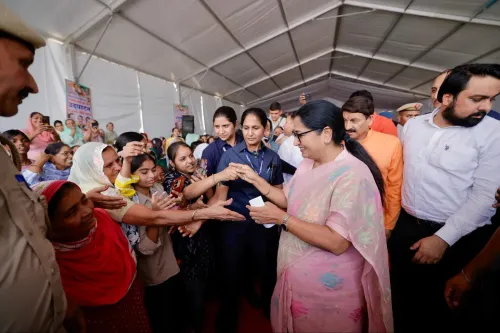
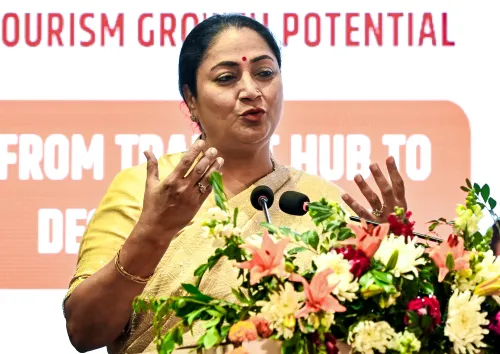
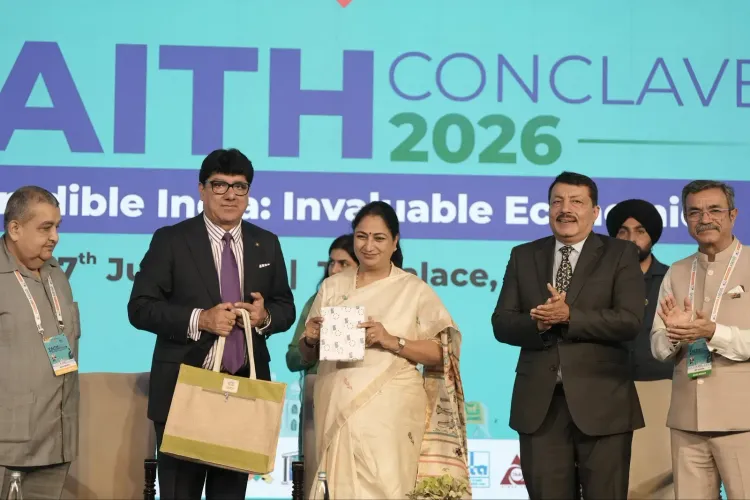
Delhi Chief Minister Rekha Gupta addressed the FAITH Tourism Conclave 2026 on 17 July, engaging policymakers and industry leaders on the capital's vision to become a world-class tourism hub, while congratulating ADTOI for organising the event.
Key Takeaways
Delhi CM Rekha Gupta spoke at the FAITH Tourism Conclave 2026 on 17 July 2026 , outlining the capital's global tourism ambitions.
She called for collective efforts to promote Delhi's heritage, culture, and hospitality on the world stage under PM Narendra Modi's leadership.
The conclave brought together policymakers, industry representatives, and experts from the tourism sector.
ADTOI (Association of Domestic Tour Operators of India) organised the event and was congratulated by the Chief Minister.
The #ViksitDelhi hashtag links the tourism push to the broader Viksit Bharat 2047 national development narrative.
Follow-up policy action — including a tourism master plan and budget allocations — will be the key metric to watch in the coming fiscal cycle.
Delhi Chief Minister Rekha Gupta addressed policymakers, industry representatives, and experts at the FAITH Tourism Conclave 2026 on Friday, 17 July 2026, outlining the capital's vision to emerge as a global tourism destination. Speaking at the conclave, she reaffirmed the government's commitment to transforming Delhi into a world-class tourism hub under the leadership of Prime Minister Narendra Modi.
Context
Chief Minister Gupta engaged in what she described as 'sarthak samvad' (meaningful dialogue) with stakeholders on Delhi's tourism vision at the conclave. She called on all participants to collectively give Delhi's heritage, culture, and hospitality a new global identity, posting on X: 'Let us together give Delhi's heritage, culture and hospitality a new global recognition.' She also extended congratulations to the full team of ADTOI — the Association of Domestic Tour Operators of India — for organising the event successfully.
The conclave brought together a cross-section of the tourism ecosystem, including government policymakers, private-sector operators, and domain specialists. The hashtag #ViksitDelhi anchored the messaging, tying the capital's tourism ambitions to the broader Viksit Bharat (Developed India) narrative championed by the central government.
Policy Backdrop
The push to position Delhi as a premier tourism destination sits within a well-established policy lineage. The Swadesh Darshan scheme, launched in 2014-15, funded development of thematic tourist circuits including heritage and cultural themes, with several Delhi-linked circuits benefiting from the programme. The National Tourism Policy 2022 replaced the earlier 2002 framework and placed emphasis on sustainable tourism, technology adoption, and systematic destination development.
Since 2014, the central government has consistently linked tourism growth to the Viksit Bharat 2047 vision, treating heritage cities as engines of employment generation and foreign-exchange earnings. Delhi-specific efforts have focused on upgrading connectivity, improving signage, and strengthening last-mile infrastructure around monuments, coordinated with industry associations for marketing and quality standards.
Stakeholders and Impact
ADTOI, as the apex body of domestic tour operators, plays a central role in translating government tourism policy into on-ground product development. Its involvement in the FAITH Conclave signals active industry participation in shaping Delhi's tourism roadmap. The hospitality sector, heritage-site managers, and cultural institutions stand to be directly affected by any policy decisions or investment commitments that emerge from such consultations.
Delhi is home to several UNESCO World Heritage Sites — including Red Fort, Qutb Minar, and Humayun's Tomb — alongside a dense network of museums, cultural institutions, and living heritage precincts. Elevating the city's global tourism profile would have significant implications for employment in hospitality, transport, and the informal cultural economy.
What's Next
Attention will now turn to whether the dialogue at the FAITH Tourism Conclave 2026 translates into concrete policy instruments — such as a Delhi Tourism Master Plan, dedicated budget allocations, or coordinated marketing campaigns with the Union Ministry of Tourism. The coming fiscal cycle is expected to test whether the vision articulated at the conclave finds expression in measurable targets and capital expenditure. Sustained coordination between the Delhi government and the central government will be critical to converting heritage assets into a globally competitive tourism offer.
Point of View
Aligning the capital's branding with the Centre's Viksit Bharat 2047 framework. By invoking PM Modi's leadership explicitly, the Chief Minister is positioning Delhi's tourism revival as part of a unified national project rather than a standalone state initiative — a framing that has electoral as well as administrative utility. The involvement of ADTOI underscores the government's preference for structured industry consultation, though the real test will be whether conclave dialogue converts into budgetary commitments and implementable master-plan targets. For a city with unmatched heritage density, the gap between aspiration and execution on tourism infrastructure has historically been the critical variable.
NationPress
17 Jul 2026
Frequently Asked Questions
What is the FAITH Tourism Conclave 2026?
The FAITH Tourism Conclave 2026 is an industry event that brought together tourism policymakers, domestic tour operators, and sector experts to discuss policy and development strategies for Indian tourism, with Delhi's global tourism vision as a key agenda item at the July 2026 edition.
What did Delhi CM Rekha Gupta say at the FAITH Conclave?
CM Rekha Gupta said Delhi is committed to becoming a world-class tourism hub under PM Narendra Modi's leadership, called on all stakeholders to give Delhi's heritage, culture and hospitality a new global identity, and congratulated ADTOI for organising the event.
What is ADTOI and what role does it play in Indian tourism?
ADTOI, the Association of Domestic Tour Operators of India, is a leading industry body representing domestic tour operators. It participates in policy consultations and tourism promotion initiatives, and organised the FAITH Tourism Conclave 2026.
What is the Viksit Delhi vision mentioned by CM Rekha Gupta?
'Viksit Delhi' is the Chief Minister's framing for a developed, world-class capital city, linked to the central government's broader Viksit Bharat 2047 goal of making India a developed nation by its centenary of independence.
What heritage sites make Delhi a significant tourism destination?
Delhi is home to several UNESCO World Heritage Sites including Red Fort, Qutb Minar, and Humayun's Tomb, along with numerous museums, cultural institutions, and historic precincts that form the backbone of its tourism offering.