AIMPLB urges UP govt to halt demolition of 38 Jauhar University buildings

Synopsis
The AIMPLB has formally intervened to block the demolition of 38 buildings at Azam Khan's Mohammad Ali Jauhar University in Rampur, calling the RDA's notices legally questionable and politically motivated. With the Supreme Court already scrutinising bulldozer actions nationally, this case could become a fresh flashpoint between UP authorities and minority educational institutions.
Key Takeaways
The AIMPLB on 17 July urged the UP government and RDA to withdraw demolition notices against 38 buildings of Mohammad Ali Jauhar University , Rampur.
The RDA claims 38 of 40 university buildings were built without required approvals.
The AIMPLB argues the buildings were constructed when the area was outside RDA jurisdiction , making approvals unnecessary at the time.
Board spokesperson S.Q.R.
Ilyas called the action 'political vendetta' against jailed SP leader Azam Khan .
The AIMPLB warned demolition would cause 'irreparable damage' to national educational assets and urged resolution through dialogue.
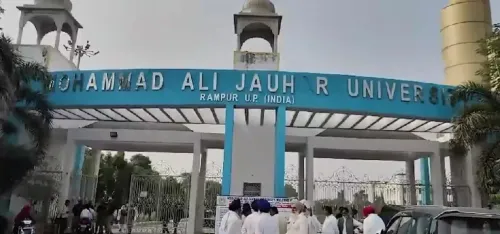
The All India Muslim Personal Law Board (AIMPLB) on Friday, 17 July called on the Uttar Pradesh government and the Rampur Development Authority (RDA) to immediately withdraw demolition notices served against 38 buildings of Mohammad Ali Jauhar University in Rampur, founded by jailed Samajwadi Party (SP) leader Azam Khan. The board described the proposed action as vindictive, disproportionate, and contrary to the nation's educational interests.
What the AIMPLB Said
Board spokesperson S.Q.R. Ilyas stated that the demolition drive targets not just a single institution but the broader educational advancement of the Muslim community. He argued that institutions built through years of public sacrifice and sustained effort are being systematically targeted through administrative and legal mechanisms. The AIMPLB characterised the move as reflecting political vendetta against Azam Khan.
Ilyas also urged the authorities to resolve any legal or technical disputes through dialogue rather than demolition, emphasising that even if procedural deficiencies exist, they are addressable through due legal process.
The University's Defence
The RDA has claimed that 38 of the university's 40 buildings were constructed without obtaining the necessary regulatory approvals. The AIMPLB, however, rejected this characterisation. According to the university administration, the structures were built at a time when the area did not fall within the RDA's jurisdiction — meaning, the board argued, there was no legal obligation to seek building-plan approvals from the authority at the time of construction.
Broader Stakes for Education
The AIMPLB warned that demolishing 38 buildings of a university built over years, with substantial public investment and community support, would constitute an irreversible loss to the country's educational infrastructure. 'Such an action would not merely affect one institution or one community; it would inflict irreparable damage on the nation's educational assets,' Ilyas said.
Notably, this controversy unfolds against the backdrop of heightened scrutiny of bulldozer-led demolitions across several BJP-governed states, a practice that has drawn repeated challenges in the Supreme Court. Critics argue that such actions disproportionately target minority-linked properties and political opponents.
Background and Context
Mohammad Ali Jauhar University, established by Azam Khan in Rampur, has long been a flagship project of the veteran SP leader, who has been in judicial custody on multiple cases. The university, spread across a large campus, was built with donations and community contributions over several years. The RDA's demolition notices, covering 38 of 40 buildings, represent one of the most sweeping regulatory actions against any single educational institution in recent Uttar Pradesh history.
With the AIMPLB now formally intervening and the matter likely to reach the courts, the UP government's next move will be closely watched by legal observers and minority rights groups alike.
Point of View
Not administrators to bulldoze past. What is striking is the scale: notices covering 38 of 40 buildings at a single institution is not surgical enforcement, it is institutional erasure. Coming at a time when the Supreme Court is actively examining the constitutionality of demolition-as-punishment, the UP government's handling of this case will be watched for whether it reflects rule of law or rule by bulldozer.
NationPress
17 Jul 2026
Frequently Asked Questions
Why has the AIMPLB intervened in the Jauhar University demolition case?
The AIMPLB intervened because the Rampur Development Authority issued demolition notices against 38 of 40 buildings at Mohammad Ali Jauhar University, founded by jailed SP leader Azam Khan. The board called the action politically motivated and said it threatens the educational interests of the Muslim community.
What is the RDA's basis for the demolition notices against Jauhar University?
The Rampur Development Authority claims that 38 of the university's 40 buildings were constructed without obtaining the required regulatory approvals. However, the university administration disputes this, arguing the structures were built when the area was outside RDA jurisdiction.
What is Mohammad Ali Jauhar University?
Mohammad Ali Jauhar University is an educational institution in Rampur, Uttar Pradesh, founded by Samajwadi Party leader Azam Khan. It was built over several years through public donations and community contributions and is considered a flagship project of Khan, who has been in judicial custody on multiple cases.
What does the AIMPLB want the UP government to do?
The AIMPLB has urged the Uttar Pradesh government and the RDA to immediately halt the proposed demolition action and withdraw the notices. It has also called for any legal or technical disputes to be resolved through dialogue and due legal process rather than demolition.
How does this case connect to the broader bulldozer controversy in India?
This case comes amid heightened national scrutiny of demolition-led enforcement actions in BJP-governed states. The Supreme Court has been examining the constitutionality of using demolitions as a punitive tool, and critics argue such actions disproportionately target minority-linked properties and political opponents.