CM Fadnavis Reviews Water Resources and Viksit Maharashtra 2047
Synopsis
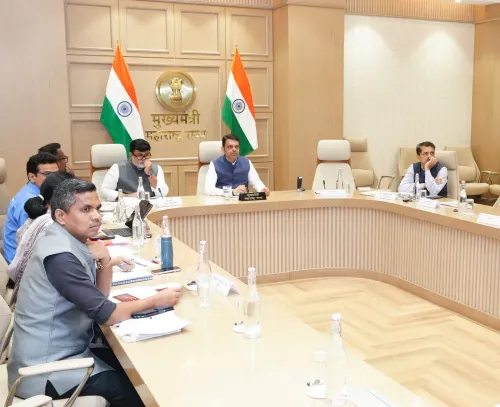
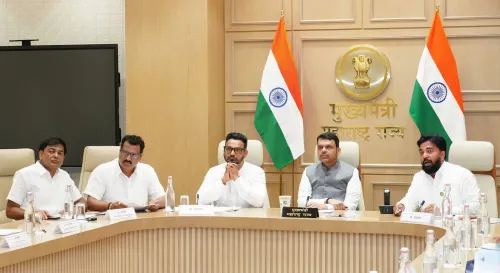
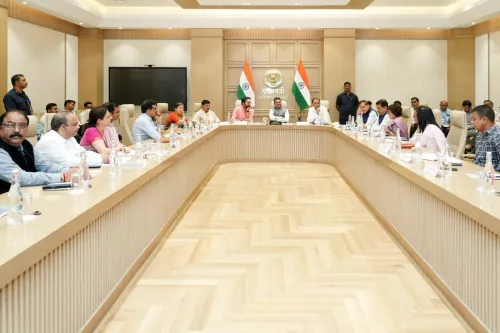
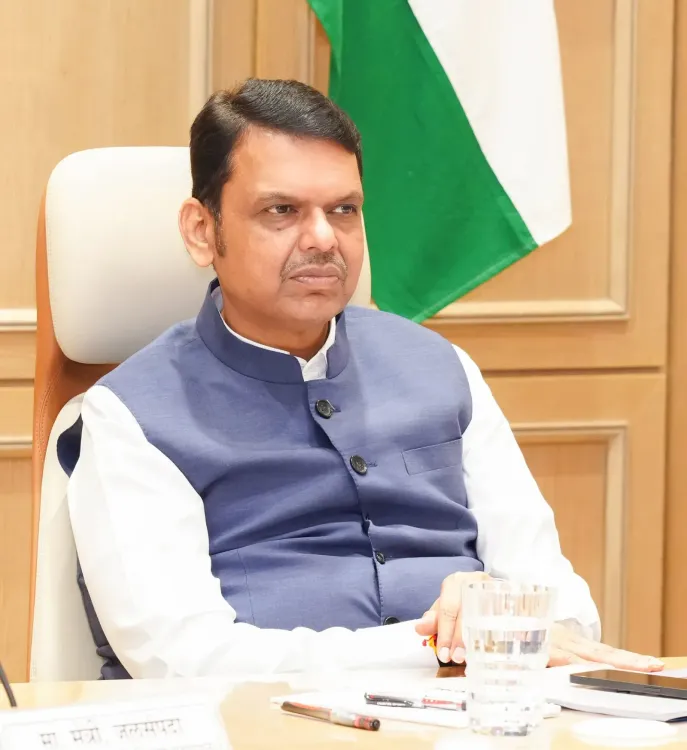
Chief Minister Devendra Fadnavis chaired a Water Resources Department review at Varsha Bungalow on 17 July 2026, with ministers Radhakrishna Vikhe Patil and Girish Mahajan present, to assess centrally assisted irrigation schemes and the Viksit Maharashtra 2047 development initiative.
Key Takeaways
CM Devendra Fadnavis chaired the Water Resources Department review meeting at Varsha Bungalow, Mumbai on 17 July 2026 at 1:10 pm .
The meeting reviewed the status of centrally assisted schemes and the Viksit Maharashtra 2047 initiative.
Cabinet ministers Radhakrishna Vikhe Patil and Girish Mahajan attended alongside senior department officials.
Viksit Maharashtra 2047 is the state's alignment with the Union government's Viksit Bharat @2047 long-term development vision.
Central schemes such as PMKSY are key funding channels for Maharashtra's irrigation expansion, especially in Vidarbha and Marathwada .
A mid-term review of Viksit Maharashtra 2047 targets is anticipated around 2027-28 .
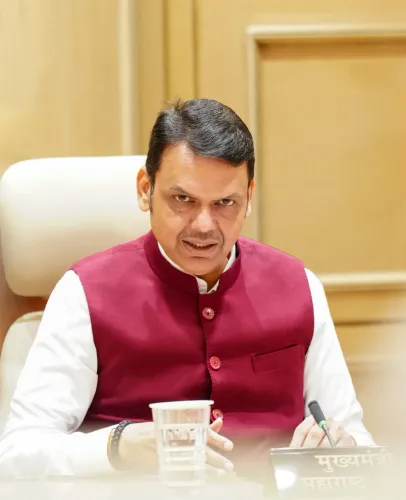
Chief Minister Devendra Fadnavis chaired a high-level review meeting of the Water Resources Department at Varsha Bungalow, Mumbai, on 17 July 2026, examining the status of centrally assisted schemes and the state's long-term development initiative, Viksit Maharashtra 2047. Cabinet ministers Radhakrishna Vikhe Patil and Girish Mahajan, along with senior officials, were present at the 1:10 pm meeting.
Context
The Chief Minister's Office of Maharashtra announced the meeting across three languages — English, Marathi, and Hindi — signalling its broad administrative importance. The review centred on two pillars: the progress of schemes receiving central government assistance, and the current implementation status of Viksit Maharashtra 2047, the state's adaptation of the Union government's Viksit Bharat @2047 vision for a developed India by the centenary of independence.
Varsha Bungalow in Mumbai is the official residence and working office of the Maharashtra Chief Minister, making it the standard venue for such departmental reviews.
Policy Backdrop
The Water Resources Department oversees irrigation infrastructure including dams, canals, and water distribution networks across Maharashtra. Centrally assisted schemes in this sector include the Pradhan Mantri Krishi Sinchayee Yojana (PMKSY), launched in 2015 to expand irrigation coverage and improve water-use efficiency through accelerated completion of pending projects.
During Fadnavis's earlier tenure as Chief Minister from 2014 to 2019, the state government prioritised completion of over 100 long-pending irrigation projects. The current review continues that administrative focus, now extended under the multi-decadal Viksit Maharashtra 2047 framework, which aligns state water infrastructure budgets with national development targets.
Maharashtra has historically used central funding streams to address persistent regional imbalances in irrigation coverage, particularly between western Maharashtra and the rain-shadow and drought-prone regions of Vidarbha and Marathwada.
Stakeholders and Impact
The primary beneficiaries of improved water resource infrastructure are farmers and rural households, particularly in water-stressed districts of Vidarbha and Marathwada where irrigation penetration has historically lagged behind the state average. Accelerated execution of centrally assisted schemes directly affects cropping patterns, agricultural income, and drinking water availability across these regions.
Ministers Radhakrishna Vikhe Patil and Girish Mahajan both carry experience with water supply and irrigation portfolios across multiple terms, lending the review committee significant departmental continuity. Their presence alongside senior officials suggests the meeting was oriented toward ground-level implementation tracking rather than policy formulation.
What's Next
Formal progress reports on centrally assisted irrigation schemes are typically tabled during Maharashtra's monsoon or winter legislative sessions, and the outcomes of this review may feed into those disclosures. A mid-term assessment of Viksit Maharashtra 2047 targets is expected around 2027-28 as the state calibrates its infrastructure pipeline against national benchmarks. The pace of physical and financial progress on pending dam and canal projects will remain a key indicator of the initiative's traction on the ground.
Point of View
Lending routine progress checks a more structured, goal-oriented narrative. Convening the review with two senior ministers — both with multi-term irrigation portfolios — signals that the government is treating water infrastructure execution as a political deliverable, not merely a bureaucratic exercise. The emphasis on centrally assisted schemes also underscores Maharashtra's continued dependence on Union government funding to bridge the irrigation gap in Vidarbha and Marathwada, regions that carry significant electoral weight. How quickly physical progress translates into measurable outcomes on the ground will determine whether the 2047 framework retains credibility beyond its planning horizon.
NationPress
17 Jul 2026
Frequently Asked Questions
What is the Viksit Maharashtra 2047 initiative?
Viksit Maharashtra 2047 is the state government's long-term development vision, aligned with the Union government's Viksit Bharat @2047 goal of building a developed India by the centenary of independence in 2047. It provides a multi-decadal planning framework for state infrastructure, including water resources.
Why did CM Fadnavis hold a Water Resources Department review?
CM Devendra Fadnavis chaired the review on 17 July 2026 to assess the implementation status of centrally assisted water schemes and track progress under the Viksit Maharashtra 2047 initiative, with ministers Radhakrishna Vikhe Patil and Girish Mahajan in attendance.
What are centrally assisted water schemes in Maharashtra?
Centrally assisted water schemes include programmes such as the Pradhan Mantri Krishi Sinchayee Yojana (PMKSY), which provides Union government funding to states for expanding irrigation coverage, completing pending dam and canal projects, and improving water-use efficiency.
Which regions of Maharashtra face the biggest irrigation gaps?
Vidarbha and Marathwada have historically lagged behind western Maharashtra in irrigation coverage. Central and state schemes have specifically targeted these regions to address agricultural water stress and improve rural livelihoods.
Where was the Water Resources review meeting held?
The meeting was held at Varsha Bungalow in Mumbai, which is the official residence and working office of the Chief Minister of Maharashtra, on 17 July 2026 at 1:10 pm.