South Korea fines Baemin ₩331bn, Coupang ₩301bn for delivery app monopoly abuse
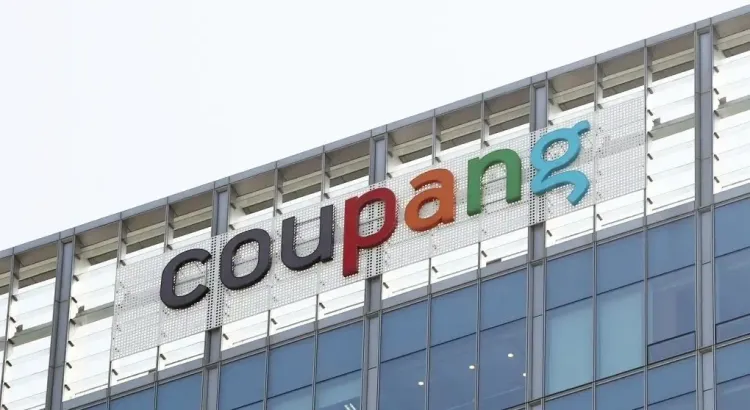
Synopsis
South Korea's antitrust regulator has slapped its two dominant food delivery platforms — Baemin and Coupang Eats — with combined fines exceeding 630 billion won, finding that their 'most favoured nation' clauses coerced restaurants, inflated consumer prices, and effectively colluded to freeze out rivals in a market they control by more than 90%.
Key Takeaways
South Korea's Fair Trade Commission (FTC) announced fines on 9 November 2026 against Woowa Brothers ( ₩331.1 billion ) and Coupang ( ₩300.8 billion ) for anticompetitive practices.
Baemin and Coupang Eats held a combined market share of over 90% of South Korea's food delivery sector by order value in 2025.
Both platforms imposed most favoured nation (MFN) clauses on restaurants, forcing them to match or better terms offered on competing apps.
Coupang enforced compliance from July 2023 to January 2026 via its Wow restaurant designation; Baemin did so from May 2024 to October 2025 via its Baemin Club programme.
Baemin was also penalised for steering restaurants from its lower-margin MP service ( 7.8% revenue share) to its higher-margin OD service ( 28% revenue share).
The FTC said the simultaneous MFN enforcement by both platforms amounted to competition restriction 'similar to collusion.'
South Korea's Fair Trade Commission (FTC) announced on Monday, 9 November 2026 that it will fine Woowa Brothers, the operator of food delivery app Baemin, 331.1 billion won (approximately $243 million) and e-commerce giant Coupang 300.8 billion won for abusing their dominant market positions to stifle competition in South Korea's food delivery sector. The penalties are among the largest the antitrust watchdog has levied against tech platforms in the country.
What the Regulator Found
The FTC determined that both companies imposed so-called most favoured nation (MFN) requirements on partner restaurants, compelling them to offer terms at least as favourable as those available on rival platforms. The watchdog concluded that these requirements undermined competition, drove up food delivery prices for consumers, and erected barriers that made it significantly harder for new entrants to gain a foothold in the market.
Together, Baemin and Coupang Eats commanded 58.45% and 34.44% of South Korea's food delivery app market by order value in 2025, respectively — giving the two platforms a combined share exceeding 90%. The FTC said their simultaneous imposition of MFN requirements and alignment of trading terms restricted competition in a manner 'similar to collusion.'
How the Platforms Enforced Compliance
Coupang enforced the MFN requirements between July 2023 and January 2026 by stripping restaurants of their coveted 'Wow restaurant' designation if they failed to comply with conditions covering menu prices, minimum order amounts, and other trading terms. The status entitled customers enrolled in Coupang's Wow membership programme to delivery-related benefits when ordering from participating outlets.
Baemin imposed similar restrictions between May 2024 and October 2025, limiting delivery fee discounts for its Baemin Club subscribers to orders placed from restaurants that met its conditions. The FTC noted that restaurants had little practical choice but to comply, since exclusion from the membership programmes could cause a 'significant' decline in sales.
The scale of compliance tells its own story: the proportion of partner restaurants designated as Wow restaurants climbed from 13% in July 2023 to 94% by October 2025, while the share of restaurants qualifying as Baemin Club stores rose from 63% in May 2024 to 80% by January 2025.
Baemin's Additional Violation: Steering Restaurants Toward Costlier Service
The FTC also sanctioned Baemin separately for effectively coercing restaurants into switching from its 'Market Place' (MP) model — under which restaurants handle their own deliveries — to its 'Own Delivery' (OD) service, under which the platform manages logistics. According to FTC estimates, Baemin's revenue as a share of transaction value stood at 28% for OD orders in 2024, compared with just 7.8% for MP orders — a gap that critics argue gave the platform a strong financial incentive to push restaurants toward the more expensive arrangement.
Significance for the Platform Economy
'The FTC has concluded that Baemin and Coupang abused their dominant market positions by imposing unreasonable conditions on partner restaurants that deviated from conventional trade practices, disrupting the business operations of both partner restaurants and competing platforms,' the watchdog said in its official statement.
The ruling arrives at a time when regulators across Asia and Europe are scrutinising MFN clauses and platform self-preferencing with increasing urgency. Notably, South Korea's action mirrors enforcement trends seen in the European Union, where app store and marketplace MFN rules have faced similar challenges. For Indian policymakers watching the Swiggy-Zomato duopoly, this case offers a direct regulatory precedent.
What Happens Next
Both Woowa Brothers and Coupang are expected to review the FTC's formal order before deciding whether to challenge the fines in court. The Commission's ruling is expected to set a benchmark for how South Korea — and potentially other Asian markets — treats MFN clauses imposed by dominant delivery platforms going forward.
Point of View
Even independently imposed MFN clauses can function as de facto price floors, eliminating the competitive pressure that would otherwise benefit consumers and restaurants alike. The Baemin sanction for steering restaurants from MP to OD is arguably the more instructive detail — it shows how a platform can monetise dominance not just through fees but through the quiet architecture of incentive design. Regulators in India, where Swiggy and Zomato occupy an analogous duopoly, will be watching closely to see whether this ruling survives a legal challenge and whether its MFN logic crosses jurisdictions.
NationPress
9 Nov 2026
Frequently Asked Questions
Why has South Korea fined Baemin and Coupang?
South Korea's Fair Trade Commission fined Baemin ₩331.1 billion and Coupang ₩300.8 billion on 9 November 2026 for abusing their dominant positions in the food delivery market. The regulator found that both platforms imposed 'most favoured nation' clauses on restaurants, forcing them to offer at least as favourable terms as those available on rival apps, which the FTC concluded restricted competition and raised consumer prices.
What is a most favoured nation (MFN) clause and why is it problematic here?
An MFN clause requires a supplier — in this case, a restaurant — to ensure that any price or condition it offers on one platform is no better than what it offers on the dominant platform. When imposed by companies controlling over 90% of a market, the FTC found this effectively prevents restaurants from offering better deals on smaller competing apps, locking out new entrants and suppressing price competition.
How did Coupang and Baemin enforce these requirements on restaurants?
Coupang stripped restaurants of their 'Wow restaurant' status — which unlocked delivery benefits for Wow membership subscribers — if they failed to comply with its pricing and trading-term conditions between July 2023 and January 2026. Baemin similarly restricted Baemin Club delivery fee discounts to orders from compliant restaurants between May 2024 and October 2025. Because exclusion from these membership programmes could cause a 'significant' drop in sales, restaurants had little practical choice but to comply.
What additional violation was Baemin found guilty of?
Beyond the MFN requirements, Baemin was sanctioned for effectively coercing restaurants into switching from its lower-cost 'Market Place' self-delivery model to its 'Own Delivery' service. The FTC noted that Baemin earned 28% of transaction value from OD orders in 2024, versus just 7.8% from MP orders, giving the platform a strong financial motive to push restaurants toward the pricier arrangement.
What happens next for Baemin and Coupang following the FTC ruling?
Both Woowa Brothers and Coupang are expected to review the FTC's formal order and may challenge the fines through South Korean courts. The ruling is widely seen as a precedent for how Asian regulators will approach platform MFN practices, and it is likely to influence ongoing antitrust debates in markets such as India, where a similar delivery app duopoly exists.