WWDC 26: Apple unveils next-gen Intelligence, Siri AI, and parental controls
Synopsis
Apple's WWDC 26 wasn't a routine developer keynote — it was a statement of AI intent. Siri AI, rebuilt from the ground up on a privacy-first architecture, can now read your screen, search across your apps, and pull live web answers. Combined with sweeping parental controls and system-wide Intelligence upgrades across six platforms, Apple is betting its ecosystem advantage can outrun the open-AI competition.
Key Takeaways
Apple announced next-gen Apple Intelligence and a rebuilt Siri AI at WWDC 26 on 9 June in Cupertino, California .
Siri AI can answer questions about on-screen content, search across apps using personal context, and retrieve live web information.
New parental controls include a child account setup, contact approval requirements, and automatic interventions for explicit or violent content.
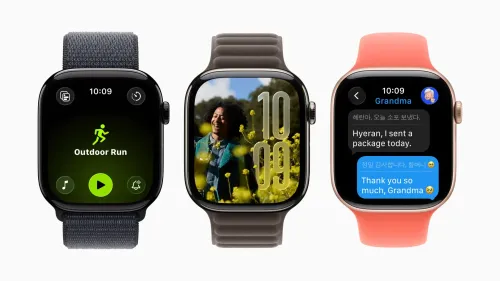
Updates span iOS 27 , iPadOS 27 , macOS 27 , watchOS 27 , visionOS 27 , and tvOS 27 . watchOS 27 introduces a dynamic Siri-suggested app grid, new Smart Stack tap gesture, and a unified Find My app.
Developer beta is live from 9 June ; public beta expected next month.
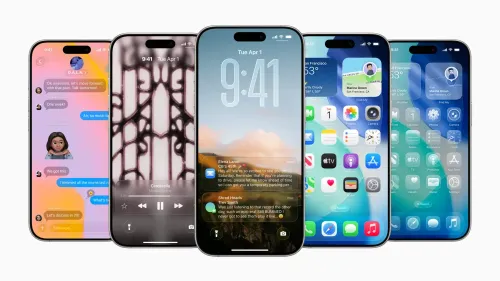
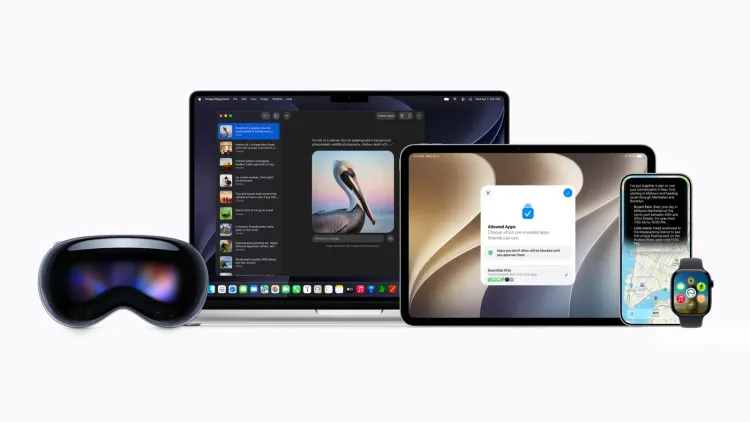
Apple on 9 June unveiled its next wave of software platforms at the Worldwide Developers Conference (WWDC) 26 in Cupertino, California, introducing the next generation of Apple Intelligence, an entirely reimagined voice assistant called Siri AI, and a comprehensive suite of parental control tools across iOS 27, iPadOS 27, macOS 27, watchOS 27, visionOS 27, and tvOS 27. The announcements mark the most ambitious software refresh Apple has staged in years, touching everything from on-device AI to child safety.
Siri AI: A Ground-Up Rebuild
Siri AI is not an incremental update — Apple describes it as a profoundly more intelligent, knowledgeable, and capable assistant built on a bold new architecture specifically designed to protect user privacy. The revamped assistant can answer questions about content currently on a user's screen, draw on personal context to search across apps, and retrieve up-to-date information from the web using broad world knowledge to generate relevant answers.
Craig Federighi, Apple's Senior Vice President of Software Engineering, said the company is 'delivering the next generation of Apple Intelligence across our platforms; introducing Siri AI, a profoundly more intelligent, knowledgeable, and capable Siri; expanding child safety features with intuitive new tools for families; and making our software platforms faster, more reliable, and more delightful than ever before.'
Next-Gen Apple Intelligence Across the System
Beyond Siri AI, the next generation of Apple Intelligence powers new capabilities across core apps. Users can expect enhanced image editing in Photos, multi-tab browsing improvements in Safari, expanded creative tools in Image Playground, and smarter communication features in Messages and Mail. Apple says the underlying architecture prioritises privacy by design, a positioning that directly addresses growing regulatory and consumer scrutiny of AI data practices.
This comes amid intensifying competition in the AI assistant space, with Google, Microsoft, and OpenAI all aggressively expanding their own on-device and cloud AI offerings. Apple's privacy-first framing is a deliberate differentiator in that landscape.
Parental Controls and Child Safety Features
Apple has significantly expanded its family safety toolkit. By setting up a child account, parents can instantly activate age-appropriate protections across the entire system. A new Setup Assistant lets parents choose which apps are available to children and maintain control over what gets added over time.
Communication safety features now allow parents to require approval for every new contact their child connects with. Automatic interventions are triggered if explicit or violent content is detected in shared media — a meaningful escalation from the platform's earlier, more passive content warnings.
Apple Watch and WatchOS 27 Updates
On Apple Watch, watchOS 27 introduces a dynamic app grid that surfaces five Siri-suggested apps based on context. Users can now open a widget in the Smart Stack with a single tap gesture. A consolidated Find My app merges the previously separate Find Devices, Find Items, and Find People functions into one unified experience.
Availability and Developer Access
All new features are available for testing from 9 June through the Apple Developer Programme at developer.apple.com. A public beta is expected through the Apple Beta Software Programme next month. A general consumer release is anticipated in the autumn, in line with Apple's typical annual software rollout cycle.
Point of View
And the 'bold new architecture' claim will be tested the moment users compare Siri AI with Gemini or ChatGPT in daily tasks. The parental controls expansion is genuinely substantive — contact-approval and automatic content intervention go further than most platforms have gone — but Apple's closed ecosystem means independent verification of how these tools perform is limited. The real question WWDC 26 raises is whether Apple Intelligence can close the capability gap with cloud-native AI rivals while maintaining the on-device privacy promise. If it can, it resets the competitive frame. If it cannot, the privacy narrative starts to look like a consolation prize.
NationPress
19 Sept 2026
Frequently Asked Questions
What is Siri AI announced at WWDC 26?
Siri AI is a completely rebuilt version of Apple's voice assistant, announced at WWDC 26 on 9 June. It can read and respond to content on a user's screen, search across apps using personal context, and pull live answers from the web — all on a privacy-focused architecture.
What new parental controls did Apple announce at WWDC 26?
Apple introduced child accounts that activate age-appropriate system-wide protections instantly, a Setup Assistant for app access management, contact-approval requirements for children's communications, and automatic interventions when explicit or violent content is detected. These features arrive with iOS 27 and related platforms.
Which Apple platforms are getting the iOS 27-era updates?
The new features cover iOS 27, iPadOS 27, macOS 27, watchOS 27, visionOS 27, and tvOS 27 — Apple's full software ecosystem. Updates span AI, child safety, design, and performance improvements.
When can users try the new Apple Intelligence and Siri AI features?
Developer betas are available from 9 June through the Apple Developer Programme. A public beta is expected through the Apple Beta Software Programme next month, with a full consumer release anticipated in autumn 2025.
What changed on Apple Watch with watchOS 27?
watchOS 27 adds a dynamic app grid showing five Siri-suggested apps, a tap gesture to open Smart Stack widgets, and a unified Find My app that consolidates Find Devices, Find Items, and Find People into a single experience.