South Korea price-fixing probe: Arrest warrants sought for 8 petrochemical executives
Synopsis
South Korean prosecutors have cast a wide net over the country's petrochemical sector, seeking arrest warrants for eight executives across seven major firms — including OCI's sitting CEO — over an alleged multi-year price-fixing cartel that exploited Middle East supply shocks to extract several trillion won in illicit profits. On the same day, the KOSPI slumped 3.26% as AI jitters rattled Seoul's tech-heavy market.
Key Takeaways
South Korean prosecutors on 14 September 2026 requested arrest warrants for eight petrochemical executives, including OCI CEO Kim Yoo-shin and former PKC CEO Jang Young-soo .
Seven companies — LG Chem, Hanwha Solutions, Aekyung Chemical, OCI, Lotte Fine Chemical, PKC , and Unid — are accused of fixing prices for eight products including PVC and caustic soda.
Illicit profits reportedly total several trillion won , allegedly reaped by exploiting Middle East-linked naphtha supply disruptions .
Simultaneous raids on all seven companies were conducted on 5 August ; executive questioning followed before the warrant requests.
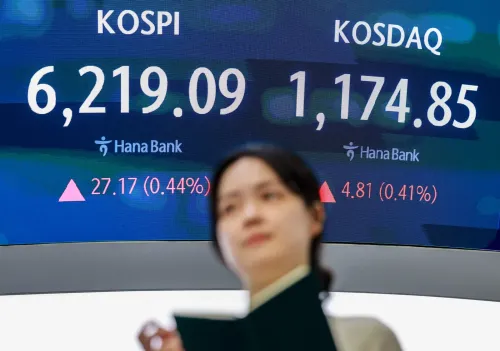
The KOSPI fell 225.54 points (3.26%) to 6,684.37 on the same day, hit by AI-related tech selloff and geopolitical uncertainty.
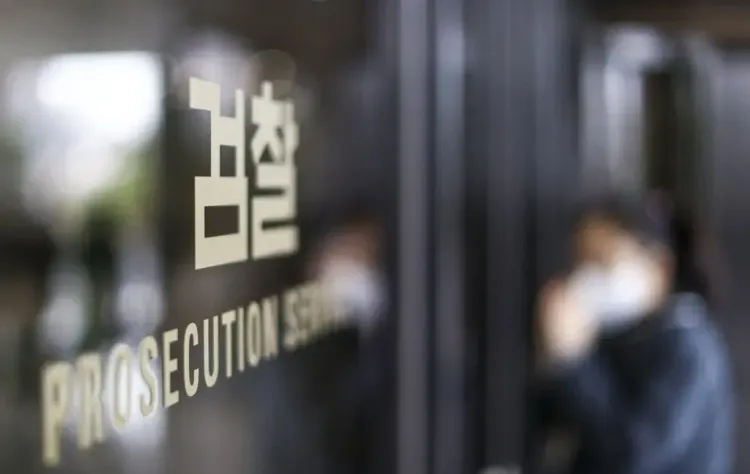
South Korean prosecutors on Monday, 14 September 2026 requested arrest warrants for eight current and former executives at domestic petrochemical firms, alleging a coordinated price-fixing conspiracy involving several trillion won in illicit gains. The request was filed by the Seoul Central District Prosecutors Office, marking one of the most sweeping cartel investigations to hit South Korea's chemical industry in recent years.
Who Is Under Investigation
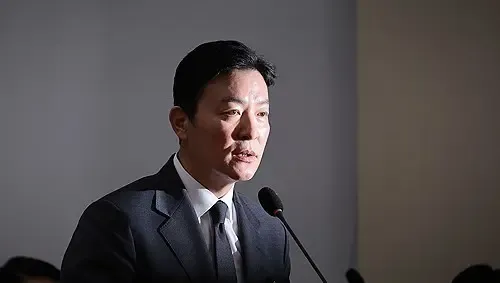
Among those named are Kim Yoo-shin, chief executive officer of OCI, and Jang Young-soo, former chief executive of PKC. Both were reportedly questioned as suspects before the arrest warrant applications were filed. The eight individuals targeted span several of South Korea's most prominent chemical conglomerates.
The Alleged Cartel: Seven Companies, Eight Products
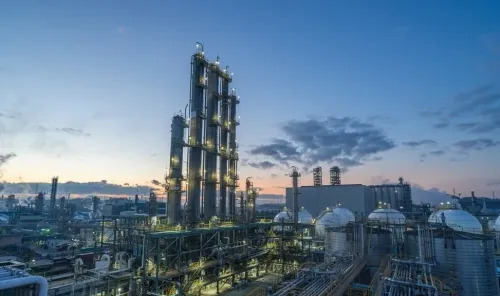
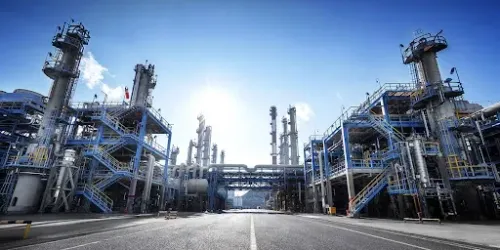
Prosecutors allege that seven companies — LG Chem, Hanwha Solutions, Aekyung Chemical, OCI, Lotte Fine Chemical, PKC, and Unid — colluded over several years to artificially raise prices for eight petrochemical products, including PVC, plasticizers, caustic soda, and hydrochloric acid. The firms are suspected of exploiting supply disruptions in naphtha — a key feedstock — caused by the Middle East conflict to amplify pricing power and generate illicit profits totalling several trillions of won.
PVC, derived primarily from naphtha, is a synthetic plastic widely used in construction materials, pipes, and wire insulation. Plasticizers are chemical additives that render PVC more flexible, making both products critical inputs across manufacturing and infrastructure sectors.
Raids and Questioning
Investigators conducted simultaneous raids across all seven companies on 5 August, a coordinated sweep that signalled the scale of the inquiry. Kim and Jang were subsequently called in and questioned as suspects. The move to seek arrest warrants, according to reports, suggests prosecutors believe there is sufficient evidence to proceed with formal charges and a risk of evidence tampering or flight.
Market Fallout in Seoul
Separately, Seoul stocks suffered a sharp selloff on the same day, with the benchmark Korea Composite Stock Price Index (KOSPI) closing down 225.54 points, or 3.26%, at 6,684.37. The index opened sharply lower as investors offloaded tech-heavyweights amid lingering geopolitical uncertainties and warnings from US technology executives that the pace of artificial intelligence (AI) development may be advancing too rapidly.
Trade volume was relatively light at 274.4 million shares, worth 20.19 trillion won (approximately US$ 14.93 billion). Losers outnumbered winners 561 to 308. Retail investors were net buyers, purchasing 2.97 trillion won worth of shares, while institutional and foreign investors collectively offloaded a net 4.46 trillion won. The Korean won also weakened against the US dollar during the session.
What Happens Next
Courts will now decide whether to grant the requested arrest warrants. If approved, the detained executives could face formal indictment, potentially triggering broader regulatory consequences for the companies involved. The investigation is also likely to draw scrutiny from South Korea's Fair Trade Commission, which oversees antitrust enforcement alongside the prosecutorial process. How the implicated firms — several of which are subsidiaries of major conglomerates — respond legally will be closely watched by the broader Korean chemical and manufacturing sector.
Point of View
Eight products, several trillion won — suggests prosecutors believe this was a structured, long-running cartel rather than opportunistic price coordination. What is striking is the timing: using Middle East supply disruptions as cover to collude is a playbook that regulators globally have warned about since 2022, and Seoul appears to be making an example here. For India, which imports significant petrochemical intermediaries from South Korean suppliers, any prolonged legal freeze on these firms' operations could have downstream pricing effects. The KOSPI's simultaneous 3% drop underscores how fragile investor confidence already is — adding a major corporate governance scandal to geopolitical and AI-related anxieties was the last thing Seoul's markets needed.
NationPress
14 Sept 2026
Frequently Asked Questions
Who are the executives facing arrest warrants in South Korea's petrochemical probe?
The eight executives include Kim Yoo-shin, the sitting CEO of OCI, and Jang Young-soo, former CEO of PKC, along with six others from the same group of seven companies. All are suspected of orchestrating a coordinated price-fixing arrangement spanning several years and multiple products.
Which companies are implicated in the South Korea petrochemical price-fixing case?
Seven companies have been named: LG Chem, Hanwha Solutions, Aekyung Chemical, OCI, Lotte Fine Chemical, PKC, and Unid. Prosecutors allege they colluded to raise prices for eight products, including PVC, plasticizers, caustic soda, and hydrochloric acid.
How did the companies allegedly profit from the price-fixing scheme?
According to prosecutors, the firms exploited naphtha supply disruptions caused by the Middle East conflict to justify and amplify coordinated price increases across key petrochemical products, generating illicit profits totalling several trillion won.
What happens after arrest warrants are requested in South Korea?
A court will review the prosecutorial evidence and decide whether to grant the warrants. If approved, the executives can be formally detained and subsequently indicted. The case may also draw parallel proceedings from South Korea's Fair Trade Commission, the country's antitrust watchdog.
Why did the KOSPI fall sharply on 14 September 2026?
The KOSPI dropped 225.54 points (3.26%) to 6,684.37 as investors sold tech-heavy stocks amid geopolitical uncertainty and concerns raised by US technology executives that AI development is advancing too rapidly. Foreign and institutional investors were net sellers of 4.46 trillion won on the day.