HD Hyundai Oilbank indicted in ₩26 trillion price-fixing case tied to US-Iran war
Synopsis
South Korean prosecutors have indicted HD Hyundai Oilbank and two officials in a ₩26 trillion ($17 billion) price-fixing case, alleging the refiner colluded with SK Energy to exploit the US-Iran war by coordinating petroleum price hikes — even while sitting on pre-war crude stockpiles. The prosecution calls it not a crisis-driven lapse but a chronic pattern of collusion.
Key Takeaways
HD Hyundai Oilbank and two company officials were indicted on 6 July in a price-fixing case worth an estimated ₩26 trillion ($17 billion) .
HD Hyundai Oilbank and SK Energy allegedly colluded directly on petroleum price increases, with that collusion valued at ₩14.2 trillion .
SK Energy avoided indictment under a leniency programme; GS Caltex and S-Oil were not charged as their conduct did not breach fair trade law directly.
All four refiners face separate charges of coercing independent petrol stations through unfair contracts under the Fair Trade Act .
Employees from HD Hyundai Oilbank and GS Caltex were separately indicted for allegedly destroying evidence during a Fair Trade Commission inspection in March .
Prosecutors allege the firms imposed aggressive price hikes despite holding substantial pre-war crude stockpiles.
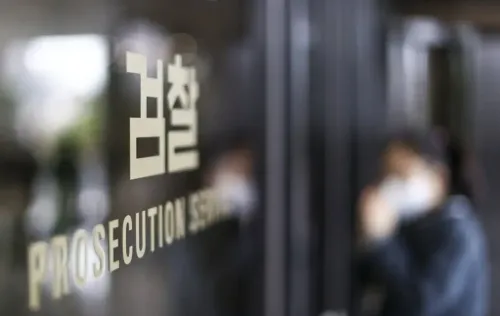
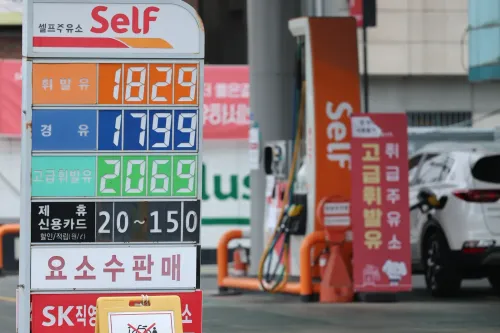
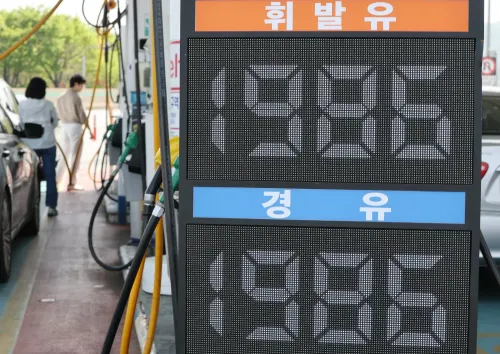
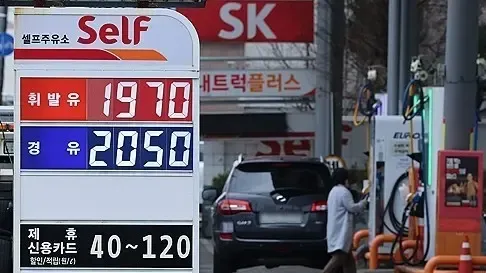
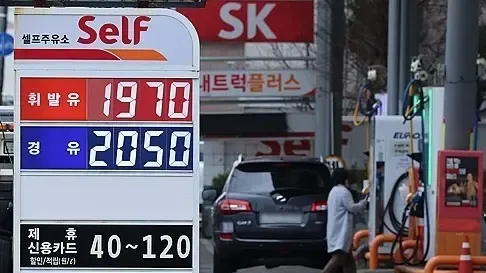
HD Hyundai Oilbank, one of South Korea's major domestic refiners, has been indicted along with two company officials in a price-fixing case estimated at 26 trillion won (approximately $17 billion), the Seoul Central District Prosecutors Office announced on Monday, 6 July. The charges stem from alleged collusion to inflate petroleum product prices following the outbreak of the US-Iran war in late February, which triggered sharp surges in global energy costs.
What Prosecutors Allege
According to the prosecution, HD Hyundai Oilbank and fellow refiner SK Energy Co. directly colluded on the timing and scale of petroleum price increases, with that bilateral collusion valued at 14.2 trillion won. Two other major refiners — GS Caltex Corp. and S-Oil Corp. — were accused of mirroring the rigged price hikes, bringing the total market distortion to an estimated 26 trillion won.
Investigators found that the refiners pushed through aggressive price increases despite having stockpiled significant volumes of crude oil before the war began — undermining any claim that the hikes were purely cost-driven.
Why SK Energy Was Not Charged
SK Energy was not indicted, having qualified for a leniency programme. GS Caltex and S-Oil also escaped formal charges, as prosecutors determined their conduct did not constitute a direct violation of fair trade law — though both were implicated in the broader price distortion.
Additional Charges: Unfair Contracts and Evidence Destruction
In a separate but related action, prosecutors indicted all four refining companies on charges of violating the Fair Trade Act by allegedly coercing independent petrol stations into purchasing their products under unfair contractual terms. The companies are accused of filing large-scale damages suits and suspending consumer benefits to block independent stations from sourcing cheaper supplies elsewhere.
Additionally, one employee each from HD Hyundai Oilbank and GS Caltex were indicted on charges of destroying evidence in connection with the Fair Trade Commission's on-site inspection of the refiners in March.
Prosecution's Assessment
'The collusion that came immediately after the war was not a temporary deviation but chronic collusive practices being made in an international crisis situation,' the prosecution said, signalling that authorities view the conduct as systemic rather than opportunistic.
What Comes Next
The indictments mark a significant escalation in South Korea's scrutiny of its refining sector. Legal proceedings against HD Hyundai Oilbank and the two indicted officials are expected to proceed through the Seoul courts. The case could set a precedent for how energy companies are held accountable for pricing conduct during geopolitical crises — a question with implications well beyond South Korea.
Point of View
Which carries heavier penalties and broader regulatory consequences. The fact that refiners allegedly coordinated price hikes while already holding pre-war crude stockpiles directly undercuts any cost-pass-through defence. South Korea's energy sector, long dominated by a tight oligopoly of four refiners, has faced recurring scrutiny; this indictment is the most serious action yet. The leniency grant to SK Energy also signals that prosecutors are using carrot-and-stick tactics to build testimony — meaning more disclosures may follow before trial.
NationPress
5 Oct 2026
Frequently Asked Questions
Why has HD Hyundai Oilbank been indicted in South Korea?
HD Hyundai Oilbank has been indicted on charges of colluding with SK Energy to fix petroleum product prices after the outbreak of the US-Iran war in late February, a case the Seoul Central District Prosecutors Office values at approximately ₩26 trillion ($17 billion). Two company officials from its pricing department have also been charged.
What is the total value of the alleged price-fixing?
The total alleged market distortion is estimated at ₩26 trillion (around $17 billion). Of that, direct collusion between HD Hyundai Oilbank and SK Energy is valued at ₩14.2 trillion, with GS Caltex and S-Oil's price-matching accounting for the remainder.
Why was SK Energy not indicted despite being accused of collusion?
SK Energy was not indicted because it qualified for a leniency programme, which typically requires cooperation with investigators in exchange for immunity or reduced charges. GS Caltex and S-Oil also avoided charges as their conduct was found not to constitute a direct fair trade law violation.
What are the separate charges against all four refiners?
All four companies — HD Hyundai Oilbank, SK Energy, GS Caltex, and S-Oil — were indicted under the Fair Trade Act for allegedly forcing independent petrol stations to buy their products through unfair contracts, and for blocking those stations from sourcing cheaper supplies by filing large damages suits and cutting consumer benefits.
What is the significance of the evidence destruction charges?
One employee each from HD Hyundai Oilbank and GS Caltex were separately indicted for allegedly destroying evidence during a Fair Trade Commission on-site inspection in March. Such charges suggest prosecutors believe the companies attempted to obstruct the investigation, which could weigh heavily in court proceedings.