Auto retail sales rise 13.3% in November; 2-wheelers up 19%

Synopsis
India's auto market is running two speeds at once. Retail registrations rose 13.3% in November's first 25 days on a 19.4% two-wheeler surge, even as tractor sales collapsed 47.4% on weak monsoon and rural cash stress. The headline boom hides a farm-belt slump that will shape H2 FY27.
Key Takeaways
Overall auto retail registrations rose 13.3 per cent year-on-year to 33.36 lakh units in November 1-25 , from 29.45 lakh a year earlier.
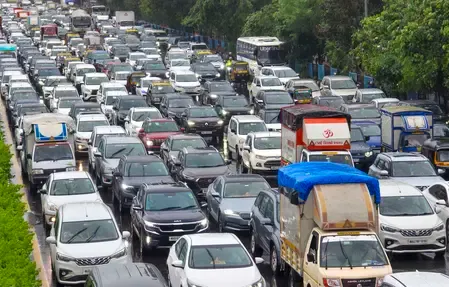
Two-wheeler registrations jumped 19.4 per cent to 27.33 lakh units; passenger vehicles rose 6.8 per cent to 3.61 lakh units.
Commercial vehicles fell 5.8 per cent to 74,548 units; three-wheelers fell 14.7 per cent to 96,190 units.
Tractor retail dropped 47.4 per cent to 56,213 units, hit by below-normal monsoon, weaker kharif sowing and rural income stress.
Choice Institutional Equities expects a positive second-half FY27 outlook, citing affordability, financing, replacement demand and premiumisation.
The final week typically makes up 20-25 per cent of monthly retail volumes, so the November print could still be revised higher.
India's automobile retail market recorded a 13.3 per cent year-on-year rise in vehicle registrations over the first 25 days of November, taking total retail volumes to 33.36 lakh units from 29.45 lakh units a year earlier, according to an analysis by Choice Institutional Equities released on Wednesday. Two-wheelers and passenger vehicles powered the rebound during the festive window, even as rural-linked categories, especially tractors, posted steep declines.
Segment-wise retail performance
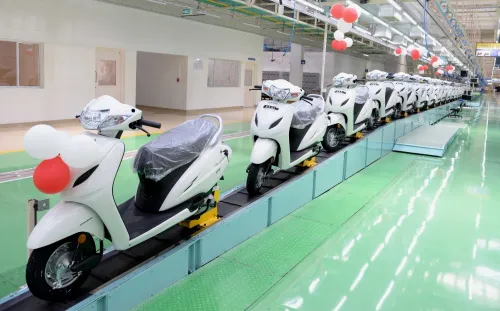
Two-wheelers were the primary growth engine, with registrations climbing 19.4 per cent year-on-year to 27.33 lakh units in the November 1-25 window. Passenger vehicle retail rose a more moderate 6.8 per cent to 3.61 lakh units, indicating that household demand held up even after the peak festive rush.
The picture was weaker in workhorse segments. Commercial vehicle registrations slipped 5.8 per cent to 74,548 units, while three-wheeler sales fell 14.7 per cent to 96,190 units. The sharpest contraction came in tractors, where retail sales dropped 47.4 per cent year-on-year to 56,213 units.
What lifted two-wheelers and passenger vehicles
The brokerage attributed the overall improvement to festive buying, GST-led affordability benefits and improving consumer sentiment. Lower tax incidence on several vehicle categories has, according to the report, improved on-road prices and pulled some household purchases into the festive calendar.
Notably, two-wheelers account for the bulk of India's retail auto volumes, so a near-20 per cent jump in that category is enough to lift the industry headline even when commercial and farm machinery demand is weak. Indian auto cycles have often shown the same sequence: two-wheeler volumes recover first when urban cash flows and financing conditions improve, while tractor and commercial-vehicle offtake lag until rural incomes and freight utilisation catch up.
Rural stress and the tractor slump
Tractor demand remained under pressure due to below-normal monsoon rainfall, weaker kharif sowing activity and stress on rural incomes, the report said. Delayed agricultural cash flows also weighed on purchase decisions in rural markets. The 47.4 per cent drop in tractor retail in the first 25 days of November underlines how weather and farm cash cycles still dominate a large slice of India's auto map.
This comes amid a split in the market: urban-facing two-wheelers and passenger vehicles are responding to festive sentiment and tax-related price benefits, while rural-facing tractors, three-wheelers and, to a lesser extent, commercial vehicles are still absorbing the monsoon shortfall. Inventory and channel filling in these weaker segments will be a key watchpoint as dealers close the month.
Outlook for the second half of FY27
Despite the softness in rural-related segments, Choice Institutional Equities said demand conditions in the broader automotive market remain favourable. The brokerage expects the industry outlook for the second half of FY27 to stay positive, supported by continued affordability benefits, healthy financing availability, replacement demand, new product launches and rising premiumisation trends.
The report also flagged growing electric vehicle adoption, infrastructure spending, freight activity and fleet expansion as additional factors that could support industry volumes in coming quarters. Exports are expected to contribute positively to growth, although rural demand recovery and inventory management remain the key variables to monitor.
Why the November print could still move higher
The brokerage noted that the final week's registrations typically account for around 20-25 per cent of total monthly vehicle retail volumes. That means the 13.3 per cent growth recorded through 25 November is a partial print and could see further upward revision once the last few days of the month are counted. Dealers often push registrations into month-end to meet targets, so the full-month number will be the one manufacturers and investors watch more closely.
For now, the first 25 days point to a two-speed auto market: a strong festive-led two-wheeler recovery lifting the headline, a modest passenger-vehicle gain, and a sharp rural-farm contraction that will need smoother agri cash flows before it reverses. How quickly that rural gap closes will decide whether the second half of FY27 matches the brokerage's constructive view.
Point of View
The average conceals more than it reveals about household India versus farm India. GST-linked affordability and festive credit can pull urban volumes; they cannot substitute for monsoon and kharif cash. If H2 FY27 optimism rests on a rural recovery that has not yet shown up in registrations, the second half can still disappoint even if passenger cars stay in the black.
NationPress
25 Nov 2026
Frequently Asked Questions
By how much did India's auto retail sales rise in November?
Overall vehicle retail registrations rose 13.3 per cent year-on-year in the first 25 days of November, to 33.36 lakh units from 29.45 lakh units a year earlier, according to Choice Institutional Equities. The full-month figure could still move higher because the last week typically accounts for 20-25 per cent of monthly volumes.
Why did two-wheeler sales jump in November?
Two-wheeler registrations rose 19.4 per cent year-on-year to 27.33 lakh units, driven by festive buying, GST-led affordability benefits and improving consumer sentiment, the brokerage said. Because two-wheelers dominate India's retail mix, that surge lifted the industry headline even as rural segments weakened.
Why did tractor sales fall so sharply?
Tractor retail sales dropped 47.4 per cent year-on-year to 56,213 units in November 1-25. The report linked the slump to below-normal monsoon rainfall, weaker kharif sowing, stress on rural incomes and delayed agricultural cash flows.
Which auto segments declined in November?
Commercial vehicle registrations fell 5.8 per cent to 74,548 units, three-wheeler sales fell 14.7 per cent to 96,190 units, and tractor retail dropped 47.4 per cent to 56,213 units. Passenger vehicles, by contrast, rose 6.8 per cent to 3.61 lakh units.
What is the auto industry outlook for the second half of FY27?
Choice Institutional Equities expects the second half of FY27 to remain positive, citing continued affordability benefits, healthy financing, replacement demand, new launches and premiumisation. It also flagged EV adoption, infrastructure spending, freight activity, fleet expansion and exports as supports, while warning that rural recovery and inventory management remain key risks.