Jal Shakti Minister Paatil flags MoU on rural water skills
Synopsis
Union Jal Shakti Minister C. R. Paatil said the Jal Shakti and Skill Development ministries signed an MoU to train local manpower for rural drinking-water upkeep. Witnessed by Jayant Chaudhary and V. Somanna, it is framed as a Jal Jeevan Mission step for lasting taps and rural youth jobs.
Key Takeaways
Union Jal Shakti Minister C.
Paatil said an MoU was signed on 25 November 2026 between the Jal Shakti and Skill Development ministries.
Minister of State Jayant Chaudhary and Minister of State V.
Somanna were present with senior officials of both ministries.
Paatil said the aim is local skilled manpower for regular operation and maintenance of rural drinking water schemes.
He said the pact would also increase employment opportunities for rural youth.
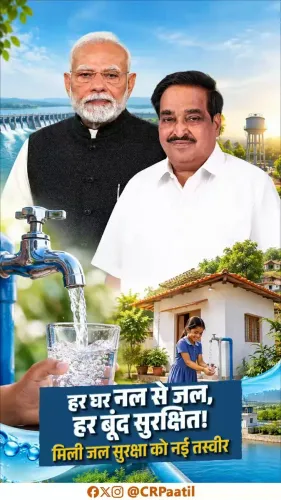
He linked the step to Prime Minister Narendra Modi 's push for regular, long-term clean drinking water under Jal Jeevan Mission and Har Ghar Jal .
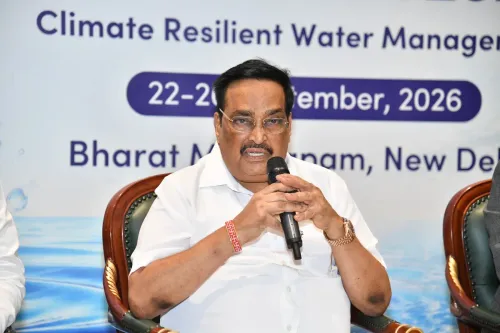
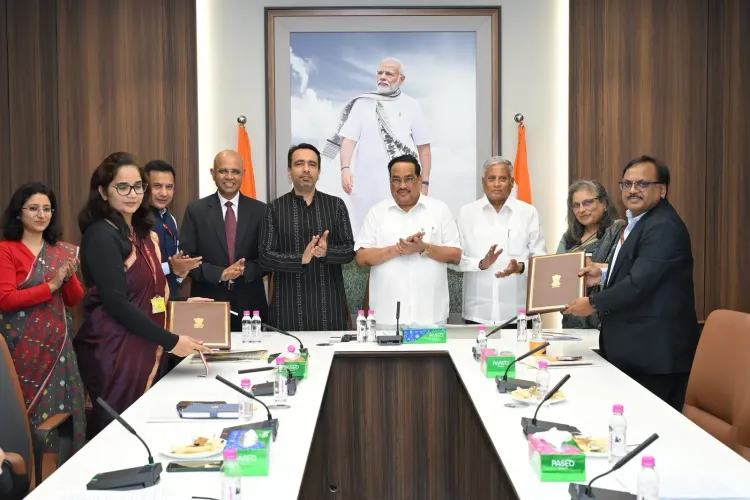
A village tap is only as reliable as the hands that can repair it. Union Jal Shakti Minister C. R. Paatil on Wednesday, 25 November 2026 said the Ministry of Jal Shakti and the Ministry of Skill Development and Entrepreneurship had signed a Memorandum of Understanding to train local crews for rural drinking-water schemes and to expand jobs for rural youth.
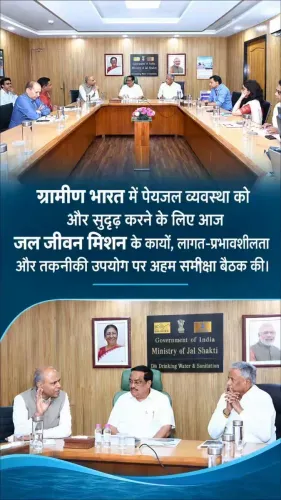
Writing on X, Paatil said the pact was signed in the presence of Minister of State for Skill Development and Entrepreneurship (Independent Charge) Jayant Chaudhary, Minister of State for Jal Shakti and Railways V. Somanna, and senior officials of both ministries. He called it an important step, under Prime Minister Narendra Modi's leadership, toward regular, long-term clean drinking water for every rural household.
Village crews for Har Ghar Jal upkeep
Paatil said the objective is to prepare skilled human resources at the local level for the regular operation and maintenance of rural drinking water schemes, and to increase employment opportunities for rural youth. He tagged Jal Jeevan Mission, Har Ghar Jal and Skill India in the same post.
That pairing sits on a known fault line. The Jal Jeevan Mission, launched in 2019, set out to deliver functional household tap connections across rural India, with operation and maintenance treated as the difference between a ceremony and a service. Village panchayats and rural youth are the people who live beside those pipes.
Skill India as the maintenance pipeline
Skill India, launched in 2015, is the national mission to train youth and promote entrepreneurship. Pulling it into water supply follows an established pattern: lay the infrastructure, then try to grow the local talent that keeps it working after the cameras leave.
Paatil framed the signing as a move toward niyamit evam dirghakalin (regular and long-term) clean drinking water in every rural home. The post did not list course names, trainee targets or a state-wise calendar, so those details remain outside what has been publicly stated here.
From household taps to trained local fixers
The practical test will be whether training modules for rural water-scheme maintenance actually reach villages, and whether participating states then show employment from those programmes. For households already promised Har Ghar Jal, the question is blunt: when a motor fails or a pipeline leaks, is there a trained neighbour who can restore the flow?
Panchayats will still own much of this last-mile work. Skilled rural youth are the workforce the two ministries now say they intend to build together. The hardware of Har Ghar Jal is a national project. Keeping every village tap alive is being recast as a skills project too.
Point of View
The Centre is signalling that functionality, not only coverage, is now the political test. Rural youth employment is the second dividend on offer, but delivery will be judged in villages, not at the signing table.
NationPress
25 Nov 2026
Frequently Asked Questions
What MoU did C. R. Paatil announce on 25 November 2026?
He said the Ministry of Jal Shakti and the Ministry of Skill Development and Entrepreneurship signed an MoU to train local skilled manpower for rural drinking water schemes and to expand jobs for rural youth. The announcement was made on Wednesday, 25 November 2026.
Who was present at the Jal Shakti and Skill ministry MoU signing?
Union Jal Shakti Minister C. R. Paatil said Minister of State for Skill Development and Entrepreneurship (Independent Charge) Jayant Chaudhary and Minister of State for Jal Shakti and Railways V. Somanna were present, along with senior officials of both ministries.
How is the MoU linked to Jal Jeevan Mission?
Paatil tied the agreement to Jal Jeevan Mission and Har Ghar Jal, saying it is a step toward regular, long-term clean drinking water for every rural household. Jal Jeevan Mission, launched in 2019, aims at functional rural tap connections with a standing emphasis on operation and maintenance.
What is Skill India's role in rural drinking water upkeep?
Skill India, launched in 2015, is the national mission to train youth and promote entrepreneurship. Paatil presented the MoU as a way to use that skill machinery to prepare local workers who can operate and maintain rural water schemes.
Will the MoU create jobs for rural youth?
Paatil said increasing employment opportunities for rural youth is one of the two stated aims of the agreement, alongside building local skilled manpower for scheme upkeep. Specific trainee numbers and state-wise job figures were not set out in the post.