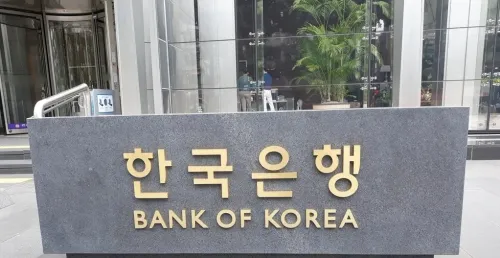
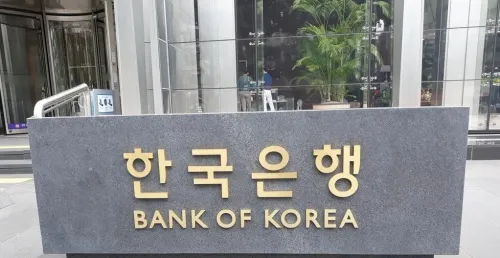
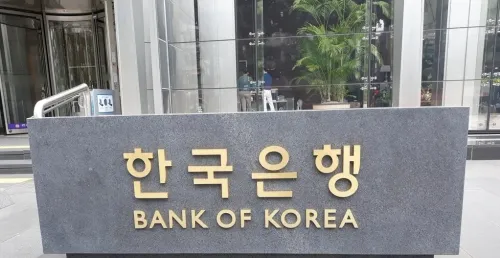
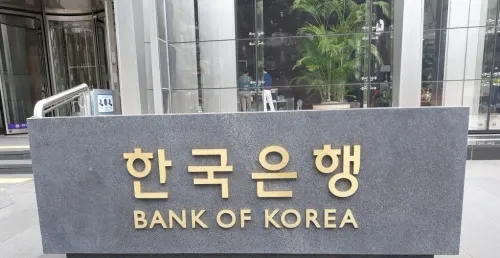
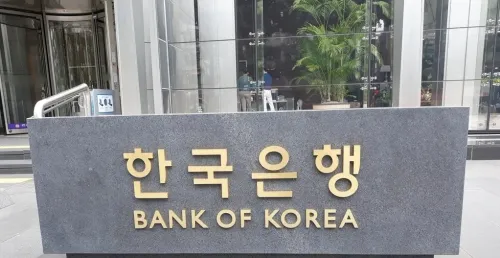
Bank of Korea holds rate at 2.5%, signals rate hike as inflation hits 2.7%
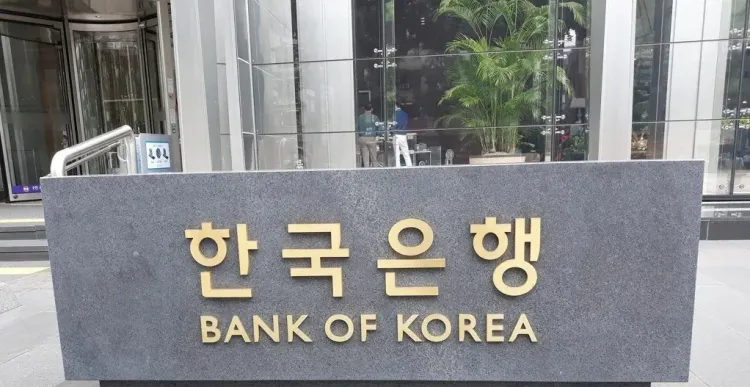
Synopsis
The Bank of Korea held rates steady for the eighth straight meeting — but the real story is the pivot signal. With two board members voting for an immediate hike, the governor publicly backing tightening, and inflation forecasts revised up to 2.7%, South Korea's easing cycle looks effectively over. The won hovering near 1,500 per dollar adds urgency to the timeline.
Key Takeaways
The Bank of Korea held its benchmark rate at 2.5 percent on 28 May — the eighth consecutive on-hold decision .
Two board members — Chang Yong-sung and Ryoo Sang-dai — dissented, voting to raise the rate to 2.75 percent .
Governor Shin Hyun-song said 'it is necessary to raise the base rate at an appropriate time,' citing high inflation, steady growth, and FX volatility.
The BOK raised its 2026 inflation forecast from 2.2 percent to 2.7 percent , driven by higher oil prices linked to the US-Iran war .
The 2026 GDP growth forecast was revised up by 0.6 percentage points to 2.6 percent , supported by semiconductor exports.
The Korean won has been hovering near 1,500 per US dollar , with authorities warning against excessive FX volatility.
The Bank of Korea (BOK) held its benchmark interest rate steady at 2.5 percent on Thursday, 28 May, citing persistent uncertainty stemming from the Middle East conflict, while explicitly signalling that a rate hike is forthcoming as inflationary pressures mount and the Korean won continues to weaken. The decision, announced from Seoul, marks the eighth consecutive on-hold ruling even as the central bank has technically remained in an easing cycle since October 2024.
Key Developments at the BOK Meeting
The Monetary Policy Board voted 5-2 in favour of keeping the rate unchanged. The two dissenting members — Chang Yong-sung and Ryoo Sang-dai — proposed raising the rate to 2.75 percent, a signal that hawkish sentiment within the board is building. This was notably the first rate-setting meeting chaired by new BOK Governor Shin Hyun-song, who assumed office last month.
The BOK began its current easing cycle in October 2024, cutting the benchmark rate by a cumulative 100 basis points from 3.5 percent. The rate has remained unchanged since July 2025, even as external shocks have complicated the policy outlook.
What the BOK Said
In its official statement, the board cited the Middle East conflict as the primary reason for pausing. 'Given the uncertainties surrounding developments in the Middle East and that their spillover effects remain high, the Board judged that it would be appropriate to maintain the current level of the base rate while assessing developments in the conflict and their impacts on growth and inflation,' the BOK said.
However, the central bank made clear that the pause is temporary. 'The board will decide the timing of any rate hikes while assessing the extent of the increase in inflationary pressure, the improvement trend in the domestic economy and financial stability,' it added.
Governor Shin's Hawkish Stance
Governor Shin Hyun-song reinforced the tightening signal at a post-meeting press conference. 'It is necessary to raise the base rate at an appropriate time,' he said, pointing to high inflation, steady economic growth, and foreign exchange volatility as the three drivers of that assessment. 'We will determine the timing and pace of interest rate hikes based on incoming data, while assessing the extent of inflationary pressures, the trend of economic recovery, and financial stability,' he added.
On the currency front, Shin warned of 'no tolerance for one-sided FX movements,' signalling that authorities are prepared to intervene decisively if the won's slide accelerates. The Korean won has been hovering near the psychologically significant level of 1,500 won per US dollar in recent months, weighed down by the ongoing US-Iran war.
Revised Growth and Inflation Forecasts
The BOK revised its 2026 economic growth forecast upward by 0.6 percentage points to 2.6 percent, driven by robust semiconductor exports. Governor Shin said exports are expected to contribute 0.7 percentage points to growth this year, with fiscal support adding 0.2 percentage points and a rally in the local stock market contributing 0.1 percentage points.
At the same time, the central bank raised its inflation forecast sharply — from 2.2 percent to 2.7 percent — attributing the revision to higher international oil prices linked to the US-Iran war. Rising commodity prices and supply constraints from the protracted conflict are testing the resilience of Asia's fourth-largest economy, even as semiconductor demand provides a meaningful offset.
What Comes Next
With two board members already voting for a hike and the governor publicly backing tightening, the direction of travel for South Korean monetary policy appears increasingly clear. Markets will be watching incoming inflation and growth data closely, along with any further escalation in the Middle East that could complicate the BOK's timeline. The supplementary budget and semiconductor export trajectory are the two domestic variables most likely to determine when the first hike arrives.
Point of View
Which began in October 2024 and delivered 100 basis points of cuts, appears to be over in all but name. The more consequential question is whether the BOK can hike into a Middle East-driven oil shock without triggering a sharper won slide — the currency is already at a psychologically fragile level. The upward inflation revision to 2.7% suggests the bank is running out of room to wait.
NationPress
26 Sept 2026
Frequently Asked Questions
What did the Bank of Korea decide on 28 May 2026?
The Bank of Korea held its benchmark interest rate steady at 2.5 percent on 28 May 2026, marking the eighth consecutive on-hold decision. However, the central bank signalled that a rate hike is coming, with two board members already voting for an immediate increase to 2.75 percent.
Why is the Bank of Korea signalling a rate hike?
The BOK is signalling a hike due to rising inflationary pressures — its 2026 inflation forecast was revised up to 2.7 percent from 2.2 percent — alongside a weakening Korean won and steady economic growth supported by semiconductor exports. Governor Shin Hyun-song cited all three factors at his post-meeting press conference.
Why did the BOK keep rates unchanged despite hawkish signals?
The board cited high uncertainty from the ongoing Middle East conflict and its potential spillover effects on growth and inflation as the reason for holding steady. It said it would assess developments before deciding the timing of any hike.
What is the current state of the Korean won?
The Korean won has been weakening sharply in recent months, hovering near the psychologically significant level of 1,500 won per US dollar, partly due to the US-Iran war. Governor Shin warned of 'no tolerance for one-sided FX movements' and pledged decisive intervention if needed.
How has the BOK revised its economic forecasts for 2026?
The BOK raised its 2026 GDP growth forecast by 0.6 percentage points to 2.6 percent, driven by strong semiconductor exports. Simultaneously, it revised its inflation forecast upward to 2.7 percent from 2.2 percent, citing higher international oil prices stemming from the US-Iran war.