Will BOK Adopt a Data-Driven Strategy for Future Rate Cuts?
Synopsis
The Bank of Korea is set to analyze inflation, economic growth, and financial stability conditions before deciding on future interest rate cuts. This pivotal approach could reshape South Korea's economic landscape. Stay tuned as we explore the implications of this strategy on financial markets and consumer behavior.
Key Takeaways
The BOK is considering future rate cuts carefully.
Inflation and economic growth are key factors in decision-making.
The current key interest rate remains steady at 2.5 percent.
South Korea's economy is expected to grow by 1.8 percent by 2026.
Vigilance over financial stability is crucial.
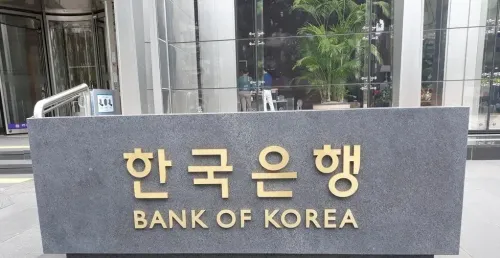
Seoul, Dec 25 (NationPress) The Bank of Korea (BOK) announced on Thursday that it will assess whether to implement further interest rate cuts next year, taking into consideration inflation, economic growth, and financial stability conditions.
"We will decide on the timing and necessity of any additional rate cuts based on a thorough evaluation of incoming data, including trends in inflation and growth, uncertainties related to these factors, and potential risks to financial stability," stated the BOK in its monetary and credit policy guidelines for the upcoming year.
During its most recent rate-setting meeting last month, the BOK opted to maintain its key interest rate at 2.5 percent for the fourth consecutive meeting, despite being in a monetary easing cycle since October of the previous year, as reported by Yonhap news agency.
The BOK has reduced the key rate by a total of 100 basis points from 3.5 percent to stimulate economic growth.
The BOK noted that while inflation is expected to remain around the target level, there could be stronger-than-expected upward pressures due to the elevated exchange rate and a rebound in domestic demand.
Although growth is anticipated to approach its potential rate, various risks related to the global trade environment, the semiconductor cycle, and the pace of domestic demand recovery could impact this outlook.
The BOK forecasts that the South Korean economy will grow by 1.8 percent in 2026, an increase from this year's anticipated 1 percent growth.
From a financial stability viewpoint, the bank emphasized the need for continued vigilance regarding housing prices in Seoul and neighboring areas, household debt, and the effects of increased exchange-rate volatility.
In response to fluctuations in the local currency and heightened uncertainties both domestically and internationally, the BOK committed to enhancing market monitoring and proactively implementing market stabilization measures to mitigate excessive herd behavior.
Additionally, it pledged to address structural imbalances in foreign exchange supply and demand and pursue institutional improvements to increase accessibility for foreign investors. This includes the introduction of 24-hour trading in the FX market and regulatory reforms concerning the offshore use of the Korean won in transactions among nonresidents.
To strengthen its capacity to withstand external shocks, the BOK intends to extend currency swap agreements nearing expiration and engage in active discussions with partner countries to fortify regional financial safety nets.
Regarding stablecoins, the BOK expressed its intention to actively participate in relevant legislative discussions with the government and the National Assembly, while working to develop a governance framework that considers macroeconomic stability.
Point of View
The Bank of Korea's cautious approach to interest rate adjustments reflects a commitment to maintaining economic stability. It's essential for the BOK to balance growth support with inflation control, ensuring long-term financial health for the nation.
NationPress
24 Sept 2026
Frequently Asked Questions
What factors will BOK consider for rate cuts?
The BOK will evaluate inflation, economic growth, and financial stability conditions.
What is the current key interest rate?
The current key interest rate is 2.5 percent.
How much has the BOK reduced the key rate?
The BOK has lowered the key rate by a total of 100 basis points from 3.5 percent.
What is the growth forecast for South Korea in 2026?
The BOK expects the South Korean economy to grow by 1.8 percent in 2026.
What measures is BOK taking regarding foreign exchange?
The BOK plans to enhance market monitoring and implement measures to stabilize the market.