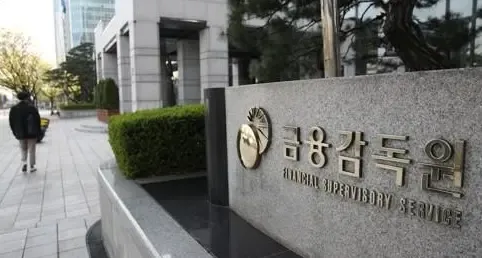
South Korea fines 13 banks, brokerages $276 million over HK-linked ELS mis-selling
Synopsis
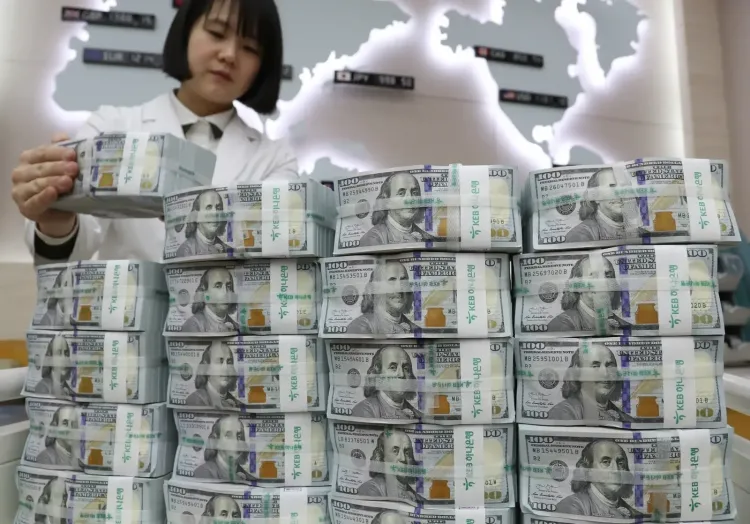
South Korea's financial regulator has closed one of its largest mis-selling cases, slapping 13 institutions with $276 million in combined fines for pushing Hong Kong H Index-linked ELS products without fully disclosing risks. The final penalty is a fraction of the original 1.4 trillion won proposal — a gap that itself raises questions about how South Korea prices systemic retail mis-selling.
Key Takeaways
South Korea's FSC imposed 370 billion won ($276 million) in penalties on 7 banks and 6 securities firms on 4 November 2026 .
The fine is sharply reduced from an initial proposed penalty of 1.4 trillion won and an FSS proposal of 600 billion won .
KB Kookmin Bank faces the largest individual fine at 173 billion won , having sold 8.2 trillion won in HK-linked ELS since 2021.
All 13 institutions collectively sold 19.3 trillion won in ELS products tracking Hong Kong's H Index .
Retail investors suffered heavy losses when the H Index plunged in early 2024 ; banks were ordered to compensate customers for incomplete risk disclosure.
South Korea's Financial Services Commission (FSC) on Wednesday, 4 November 2026 imposed a combined 370 billion won ($276 million) in penalties on seven banks and six securities firms for mis-selling equity-linked securities (ELS) products tied to Hong Kong's H Index. The penalties mark the conclusion of a prolonged regulatory action over products that caused widespread investor losses when the H Index plunged in early 2024.
How the Final Penalty Was Calculated
The 370 billion won figure represents a dramatic reduction from the initial proposed fine. The FSC had first indicated a potential penalty of 1.4 trillion won against five lenders, while the Financial Supervisory Service (FSS) — South Korea's financial watchdog — had separately proposed a 600 billion won penalty on the banks. The regulator ultimately ordered the FSS to review certain legal issues before settling on the final amount, with banks bearing the larger share at 361 billion won.
Which Institutions Were Hit Hardest
KB Kookmin Bank received the steepest individual penalty at 173 billion won, reflecting its outsized role in distributing HK-linked ELS — it had sold 8.2 trillion won worth of such products since 2021, the largest among all lenders. Hana Bank was fined 92.4 billion won, while NH Nonghyup was penalised 40.1 billion won. Other lenders involved include Shinhan Bank, which had sold 2.37 trillion won worth, and NH Nonghyup with 2.13 trillion won. Across the sector, banks and brokerages collectively sold 19.3 trillion won in HK-index-linked ELS products between 2021 and the product's collapse.
What the Mis-selling Involved
Equity-linked securities (ELS) are hybrid instruments whose returns are pegged to the performance of an underlying equity benchmark — in this case, the Hang Seng China Enterprises Index (H Index). Regulators found that the institutions had failed to fully disclose contract terms and associated risks to retail customers, leaving investors exposed without adequate understanding of the downside. When Hong Kong's H Index fell sharply in early 2024, buyers suffered massive losses. The FSC consequently ordered the banks to compensate customers for a portion of those losses.
Regulatory Background and Context
The case underscores recurring concerns about the sale of complex structured products to retail investors in South Korea. The five banks — KB Kookmin Bank, Shinhan Bank, Hana Bank, NH Nonghyup, and SC Korea — had already paid out significant sums in customer compensation before Wednesday's penalty was imposed, a factor the FSC reportedly weighed when arriving at the reduced fine. The phased regulatory process, which involved multiple reviews and revisions across more than a year, reflects the complexity of determining liability in large-scale structured product mis-selling cases.
What Happens Next
With the FSC's penalty now finalised, attention shifts to whether the affected institutions will appeal any aspect of the ruling and how effectively compensation frameworks reach all impacted retail investors. The case is also expected to accelerate ongoing debates in Seoul over stricter suitability and disclosure rules for complex financial instruments sold to non-institutional buyers.
Point of View
Which the FSC treated as a mitigating factor, but that logic risks creating a perverse precedent where settling with customers limits regulatory liability. South Korea's structured product market remains large and retail-facing; without sharper disclosure requirements baked into law, Wednesday's penalty may be remembered more as a negotiated settlement than a structural deterrent.
NationPress
4 Nov 2026
Frequently Asked Questions
Why were South Korean banks and brokerages fined?
South Korean banks and securities firms were fined for mis-selling equity-linked securities (ELS) products tied to Hong Kong's H Index without fully disclosing contract terms and associated risks to retail customers. When the H Index fell sharply in early 2024, investors suffered significant losses.
How large were the final penalties imposed by the FSC?
The Financial Services Commission imposed a combined 370 billion won ($276 million) on seven banks and six securities firms. This was sharply lower than the initial proposed fine of 1.4 trillion won and the FSS's subsequent proposal of 600 billion won.
Which bank received the largest individual fine?
KB Kookmin Bank was penalised the most at 173 billion won, reflecting its dominant role in distributing HK-index-linked ELS — it had sold 8.2 trillion won worth of such products, more than any other institution.
What is an equity-linked security (ELS)?
An ELS is a hybrid financial instrument whose returns depend on the performance of an underlying equity benchmark, such as a stock index. In this case, the products were linked to Hong Kong's Hang Seng China Enterprises Index (H Index), and their value collapsed when that index declined sharply in early 2024.
What happens to investors who suffered losses?
The FSC has ordered the banks to compensate customers for a portion of the losses incurred, on the grounds that institutions failed to provide adequate information about product risks. Several banks had already begun paying compensation before the final penalty was announced.