South Korea FSC to tighten single-stock leveraged ETF rules 'as early as possible'

Synopsis
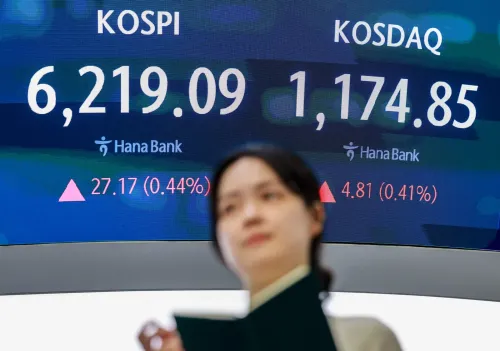
South Korea's FSC is rushing to tighten rules on single-stock leveraged ETFs after the KOSPI cratered from 9,000 to 5,593 — a collapse partly blamed on the products launched just two months ago. The regulator's plan to revise the Capital Markets Act signals this is no routine tweak: Seoul is in damage-control mode, and retail investors are caught in the crossfire.
Key Takeaways
The Financial Services Commission (FSC) announced on 30 July it will introduce additional curbs on single-stock leveraged ETFs 'as early as possible.' The FSC and FSS will revise the Capital Markets Act to activate market stabilisation powers; brokerages will be ordered to cap individual investment limits.
A higher minimum cash deposit for single-stock leveraged ETF purchases takes effect on 31 July .
The KOSPI has fallen from over 9,000 points in June to 5,593.56 on Thursday, hit by losses at Samsung Electronics and SK hynix .
Single-stock leveraged ETFs were launched in South Korea on 27 May — less than 10 weeks before the emergency intervention.
Three suspects arrested and one red-noticed over an alleged 12.3 billion won XRP cryptocurrency scam targeting 71 investors in October 2025 .
South Korea's Financial Services Commission (FSC) announced on Thursday, 30 July that it will roll out additional measures to cool the surging single-stock leveraged exchange-traded fund (ETF) market 'as early as possible,' following an emergency inter-agency inspection meeting held the previous night. The move comes amid mounting concern that these high-risk products have amplified market volatility, triggered sharp sell-offs, and caused significant retail investor losses.
What the FSC Plans to Do
The FSC said it will work alongside the Financial Supervisory Service (FSS) to revise the Capital Markets Act, creating the legal framework needed to activate market stabilisation measures. In parallel, the regulator will direct brokerages to impose caps on the maximum amount individual investors can put into single-stock leveraged ETFs, aiming to prevent retail participants from concentrating a disproportionate share of their assets in such instruments.
Separately, financial authorities had already decided to raise the minimum cash deposit requirement for single-stock leveraged ETF investments, a measure set to take effect on Friday, 31 July.
Market Backdrop: KOSPI Volatility and Chipmaker Losses
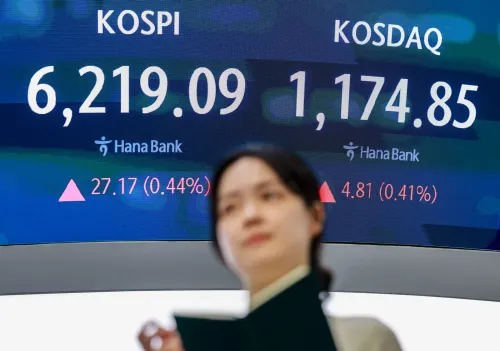
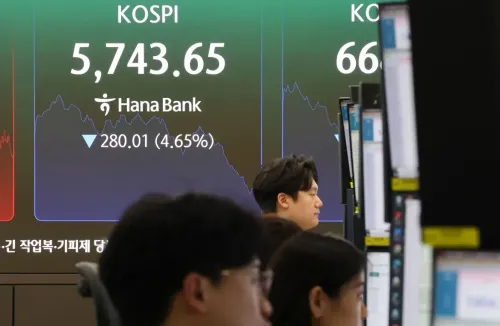
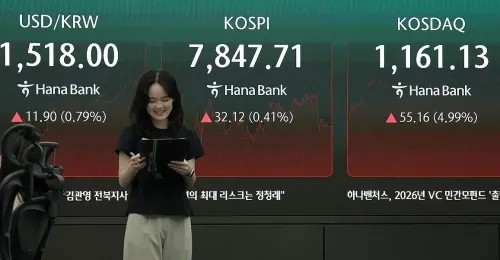
The regulatory push follows extreme turbulence in South Korea's benchmark Korea Composite Stock Price Index (KOSPI). After breaching 9,000 points in June, the index plummeted to 5,593.56 points by Thursday — a dramatic reversal driven in large part by heavy losses at the country's two dominant chipmakers, Samsung Electronics and SK hynix, amid renewed concerns over artificial intelligence spending.
Single-stock leveraged ETFs were introduced to the South Korean market on 27 May, and critics argue the product's rapid uptake has exacerbated the index's swings. This is the first major regulatory intervention since their launch.
Crypto Fraud Case: 12.3 Billion Won XRP Scam
In a separate development, the Seoul Metropolitan Police Agency (SMPA) announced on Thursday that three people have been arrested and one placed on an Interpol red notice in connection with an alleged cryptocurrency fraud that duped 71 investors out of approximately 12.3 billion won (around $8.55 million) in October 2025.
According to the SMPA, the suspects operated a fraudulent platform called 'Fxrpntwork.com', luring victims into depositing roughly 3.4 million Ripple (XRP) coins by falsely promising guaranteed principal returns and fixed monthly yields of 1.5 to 1.8 percent. The scheme was promoted through portal blog posts, online articles, and YouTube videos.
Victims were directed to transfer XRP from domestic exchanges to designated wallets via an overseas exchange. Once the funds were moved, the suspects shut down the site and went into hiding. Police said they launched an investigation last October following intelligence on rising crypto fraud cases, and managed to trace transaction paths and freeze the suspects' crypto wallets within three days of receiving the initial tip-off, limiting further investor losses.
What Happens Next
The FSC is expected to fast-track the Capital Markets Act revision, with brokerage-level investment caps likely to follow shortly after. Analysts will be watching whether the tighter deposit requirements and position limits are sufficient to stabilise the KOSPI, or whether the regulator will need to consider suspending single-stock leveraged ETF trading altogether. The crypto fraud case is ongoing, with investigators continuing to pursue the one suspect still at large.
Point of View
But legislative timelines rarely match market timelines. The deeper question is whether South Korean regulators will use this episode to build a standing framework for high-leverage retail products, or simply patch this one and move on.
NationPress
13 Sept 2026
Frequently Asked Questions
Why is South Korea's FSC tightening rules on single-stock leveraged ETFs?
The FSC is acting after single-stock leveraged ETFs — launched on 27 May — were linked to amplified market swings, sharp sell-offs, and heavy retail investor losses as the KOSPI fell from over 9,000 points in June to 5,593.56 by 30 July. An emergency inter-agency inspection meeting on Wednesday night prompted the accelerated response.
What specific measures is the FSC planning?
The FSC plans to revise the Capital Markets Act alongside the FSS to gain legal authority for market stabilisation measures, and will require brokerages to cap the maximum investment amount per investor in single-stock leveraged ETFs. A higher minimum cash deposit requirement was also announced and takes effect on 31 July.
What caused the KOSPI's sharp decline?
The Korea Composite Stock Price Index fell from above 9,000 points in June to 5,593.56 on 30 July, driven largely by massive losses at chipmaking giants Samsung Electronics and SK hynix amid renewed concerns over artificial intelligence spending. Single-stock leveraged ETFs are seen as having amplified the volatility.
What happened in the South Korea XRP cryptocurrency scam?
Three people were arrested and one placed on an Interpol red notice for allegedly defrauding 71 investors of 12.3 billion won (about $8.55 million) through a fake platform called 'Fxrpntwork.com' in October 2025. Victims were lured with promises of guaranteed returns and transferred approximately 3.4 million XRP coins before the site was shut down.
How did police respond to the XRP fraud?
The Seoul Metropolitan Police Agency launched an investigation last October after receiving intelligence on rising crypto fraud. Investigators traced transaction paths and froze the suspects' crypto wallets within three days of the initial tip-off, limiting further investor losses. One suspect remains at large on an Interpol red notice.