South Korea to let foreign investors trade ETFs directly amid KOSPI rally
Synopsis
South Korea's KOSPI has surged 82% this year — and regulators want to make it easier for the world to buy in. The FSC is drafting rules to let foreign investors trade domestic ETFs directly through omnibus accounts, a reform that could funnel fresh overseas capital into Korean assets at the peak of an AI-driven semiconductor rally.
Key Takeaways
The Financial Services Commission (FSC) is drafting rule changes to allow foreign investors to trade South Korean ETFs directly.
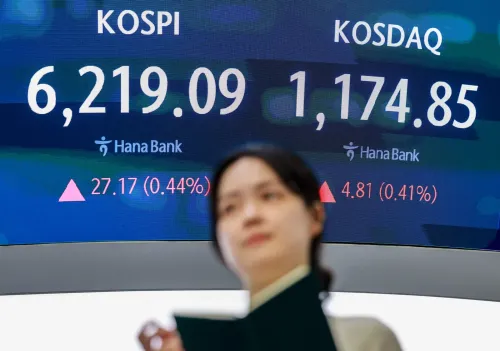
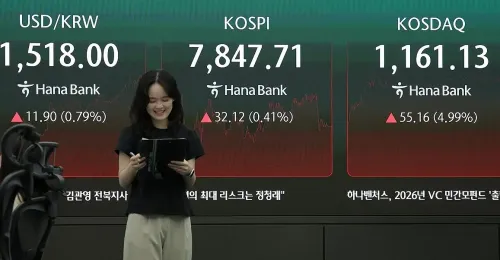
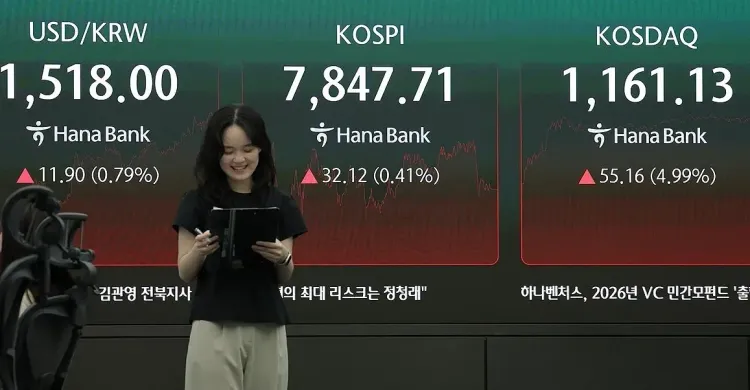
The KOSPI has surged 82% this year, rising from 4,309.63 to 7,847.71 , driven by Samsung Electronics and SK Hynix .
FSC Chairman Lee Eog-weon confirmed offshore retail investors will be able to use omnibus accounts to trade local ETFs without separate brokerage accounts.
A prior notice on the regulation revision is expected as early as next month .
Full rollout in the second half of 2025 is contingent on resolving withholding tax issues between the FSC and the finance ministry.
South Korea's financial authorities are moving to allow foreign investors to trade domestic exchange-traded funds (ETFs) directly, a step that could channel significantly more overseas capital into Korean assets as the benchmark KOSPI continues a record-setting run, according to sources familiar with the matter.
The KOSPI Rally in Context
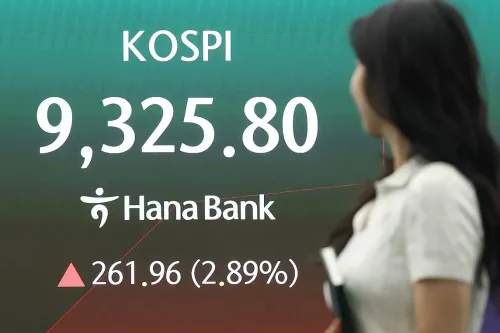
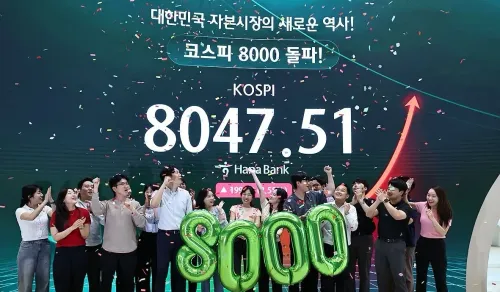
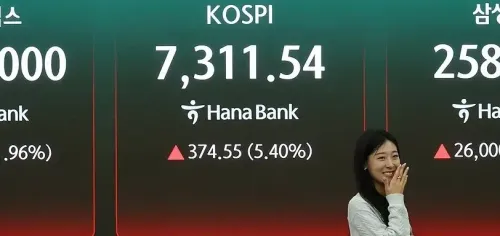
The KOSPI has emerged as one of the world's top-performing equity indexes this year, surging 82% — from 4,309.63 on the first trading session of the year to 7,847.71 at Friday's close. The rally has been powered largely by outsized gains in Samsung Electronics Co. and SK Hynix Inc., both of which have benefited from the global artificial intelligence investment boom.
What the Regulators Are Planning
The Financial Services Commission (FSC) is currently seeking revisions to investment business regulations that would permit foreign nationals to invest directly in locally listed ETFs. According to sources, the FSC plans to issue a prior notice as early as next month. FSC Chairman Lee Eog-weon confirmed last week that his agency would revise rules to allow offshore retail investors to buy and sell ETFs through omnibus accounts — a mechanism that lets them trade Korean stocks without the need to open separate accounts with Korean brokerages.
An ETF is an investment fund traded on a stock exchange that holds a basket of stocks, commodities, and bonds, typically tracking an index.
What Officials Say
'If we open more doors for foreigners to enter the South Korean financial market, demand for South Korean assets will rise, bringing more U.S. dollars into the country,' a financial authority official said.
Key Conditions and Timeline
Analysts note that the measure's rollout hinges on a key unresolved issue: withholding tax treatment for foreign ETF investors. If the FSC and the finance ministry reach agreement on that question, the reform could be introduced in the second half of this year, after brokerages complete the necessary overhaul of their trading systems.
Separately, South Korean stocks closed mildly higher on Friday, extending gains for a second consecutive session, buoyed by rising hopes for a diplomatic resolution to the US-Iran conflict, though the South Korean won lost ground against the US dollar.
What This Means for Investors
Direct ETF access would lower the barrier to entry for foreign retail and institutional investors, removing the administrative friction of opening dedicated brokerage accounts in Korea. This comes amid sustained global interest in AI-linked semiconductor plays — where Korean firms hold a commanding position — making the timing of the reform particularly significant. If implemented, the move could deepen liquidity in the Korean ETF market and further reinforce the KOSPI's momentum heading into the second half of the year.
Point of View
But foreign retail investors drawn in at peak valuations carry asymmetric risk. The deeper question is whether this is genuine capital market liberalisation or a liquidity-support measure dressed up as reform — and whether the brokerage infrastructure can be overhauled fast enough to matter before the AI-driven rally cools.
NationPress
20 Sept 2026
Frequently Asked Questions
What is South Korea planning for foreign ETF investors?
South Korea's Financial Services Commission is revising investment regulations to allow foreign investors to trade domestically listed ETFs directly through omnibus accounts, removing the need to open separate accounts with Korean brokerages. A prior notice is expected to be issued next month.
Why is this reform being introduced now?
The reform comes as the KOSPI has surged 82% this year, driven by AI-linked gains in Samsung Electronics and SK Hynix. Regulators believe opening ETF access to foreigners will increase demand for Korean assets and attract more foreign currency into the country.
What is an omnibus account?
An omnibus account allows foreign investors to trade local stocks and funds without opening individual accounts with Korean brokerages, significantly lowering the administrative barrier to entry into the South Korean market.
When could the ETF trading reform take effect?
Analysts expect the measure could be introduced in the second half of 2025, provided the FSC and the finance ministry agree on withholding tax treatment for foreign ETF investors and brokerages complete system upgrades.
What is driving the KOSPI's record rally?
The KOSPI has risen 82% this year, primarily on the back of strong gains in Samsung Electronics and SK Hynix, both major beneficiaries of global investment in artificial intelligence infrastructure and semiconductor demand.