MPSC task force pushes for OMR exams, zero-leak tech in Maharashtra 2026
Synopsis
Maharashtra's recruitment exam task force has made a significant call: no online exams for the coming year, an encrypted question bank where writers won't know which test their questions land in, and a unified candidate portal. The moves come after MPSC paper leaks sparked protests — and suggest the state is choosing structural overhaul over quick fixes.
Key Takeaways
Maharashtra's high-level task force, chaired by V.
Radha (Additional Chief Secretary, GAD), held stakeholder consultations in Pune on 13 September 2026 .
Competitive exams will continue in OMR sheet format for the coming year; online exams have been deferred.
An encrypted e-question bank is being evaluated so item writers cannot identify which exam their questions will appear in.
Task force was constituted following MPSC paper leaks and protests demanding transparency and the resignation of MPSC Chairman Vivek Bhimanwar .
The panel is studying models from Tamil Nadu , Gujarat , and UPSC to adapt best practices for Maharashtra.
Candidates demanded a published annual exam calendar , pre-declared vacancies, and a single-window registration portal.
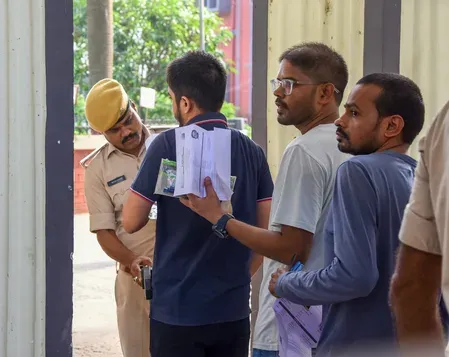
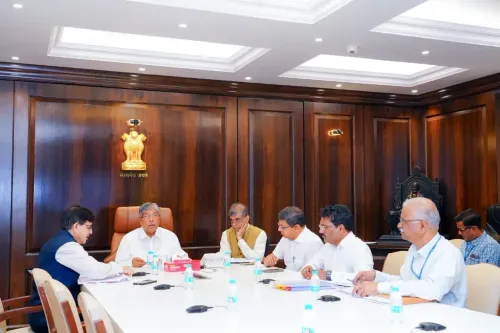
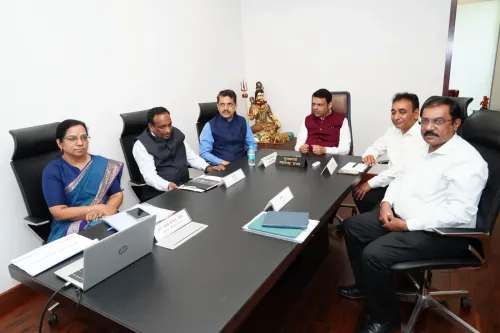
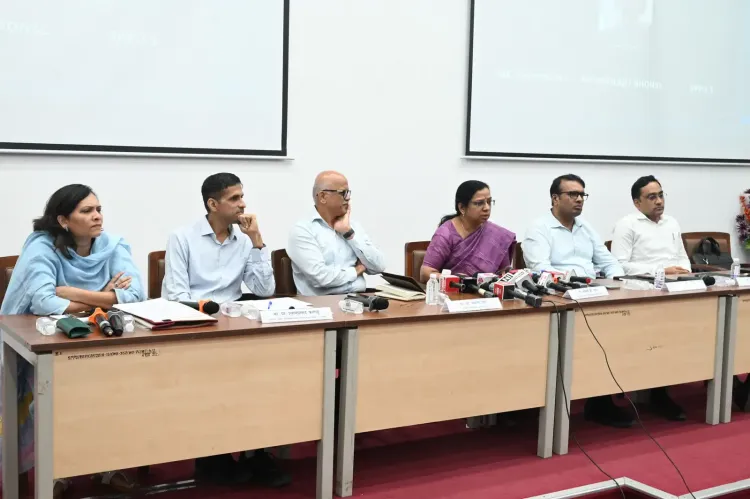
A high-level recruitment examination task force constituted by the Maharashtra state government held extensive stakeholder consultations in Pune on 13 September 2026, laying out a broad reform agenda to make Maharashtra Public Service Commission (MPSC) and other state competitive examinations more transparent, secure, and candidate-centric. The consultations brought together students, teachers, parents, and senior officials to address long-standing concerns around exam integrity and administrative stability.
Key Decisions by the Task Force
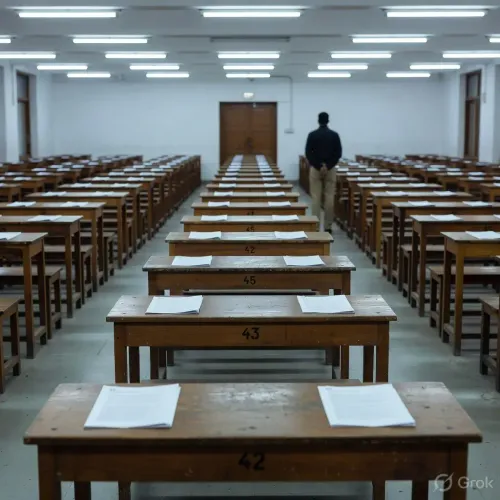
Task Force Chairperson V. Radha, Additional Chief Secretary (Services) of the General Administration Department, announced that competitive examinations will not move online over the coming year. They will instead continue under the Optical Mark Recognition (OMR) sheet pattern, for which standardised operating guidelines are currently being framed. The decision signals a deliberate pause on digital migration until a more secure framework is in place.
To achieve a zero-leak environment, the committee plans to deploy advanced technology at every stage — question creation, printing, transport, and distribution. The task force is also evaluating an encrypted e-question bank system in which even the item writers remain unaware of which examination their questions will ultimately appear in — a structural safeguard designed to eliminate insider leaks at source.
What Candidates Demanded
MPSC aspirants pressed the task force to publish and strictly adhere to an annual examination calendar, emphasising the need for long-term procedural stability without frequent policy reversals. Pre-declaration of minimum vacancies for various cadres was also strongly recommended. Students additionally called for rigorous quality checks to eliminate errors in question papers and answer keys, along with standardised evaluation metrics and reviewer audits for answer script verification.
Stakeholders called for a unified online portal for candidate queries and objections, as well as a single-window system for one-time registration and fee payment across all state examinations. Basic amenities at test centres — clean restrooms, drinking water, and appropriate seating arrangements — were also flagged as non-negotiable expectations.
Background: Protests and Paper Leaks
The task force was constituted amid a crisis of confidence triggered by MPSC exam paper leaks and sustained protests by aspirants demanding greater transparency and the resignation of MPSC Chairman Vivek Bhimanwar. This is not an isolated episode — paper leak controversies have repeatedly disrupted public service recruitment across several Indian states, putting millions of aspirants at risk of wasted preparation cycles and delayed career prospects.
Participants also advocated for a clear policy on post-selection candidate 'opting-out' to prevent seat wastage when a candidate qualifies for multiple posts simultaneously, alongside timely verification of disability and sports quota certificates.
Composition of the Committee
The high-level task force comprises Director General of Police Sadanand Date; IT and AI Secretary Virendra Singh of the Electronics Department; Animal Husbandry, Dairying and Fisheries Secretary N. Ramaswami; Nashik Divisional Commissioner Pravin Gedam; retired Air Marshal Ajit Shankarrao Bhosale, a former UPSC member; and Shyamprasad Kargudde from IIT Bombay. Senior officials including Divisional Commissioner Sheetal Teli-Ugale, District Collector Jitendra Dudi, Additional District Collector Satish Raut, and Resident Deputy Collector Jyoti Kadam were present during the consultations.
Best Practices and Road Ahead
The task force is studying operational models of public service commissions in Tamil Nadu, Gujarat, and the Union Public Service Commission (UPSC), with the aim of adapting proven practices for Maharashtra's specific administrative context. Officials also stressed the urgent need to bolster the MPSC's administrative workforce, technical capabilities, and organisational structure given its growing operational load.
DGP Sadanand Date summed up the committee's mandate: 'Our objective is to build a faster, more transparent, and accountable officer selection process for the state.' With standardised OMR guidelines, encrypted question banks, and a unified candidate portal all in the pipeline, the real test will be whether these reforms translate into a concrete, time-bound implementation schedule ahead of the next examination cycle.
Point of View
It removes the insider-knowledge vector that has driven most paper leak scandals. Yet reform committees in Indian states have a long record of producing credible blueprints that stall at execution. The real accountability question — whether the task force will publish a time-bound implementation charter with named officers responsible for each deliverable — remains unanswered, and that gap is where past reforms have died.
NationPress
13 Sept 2026
Frequently Asked Questions
What is the Maharashtra MPSC task force and why was it formed?
It is a high-level committee constituted by the Maharashtra state government to reform the recruitment examination process for the MPSC and other state competitive exams. The task force was formed in the wake of MPSC exam paper leaks and sustained protests by aspirants demanding greater transparency and accountability, including calls for the resignation of MPSC Chairman Vivek Bhimanwar.
Will MPSC exams move online in 2026?
No. Task Force Chairperson V. Radha announced that competitive examinations will not be conducted online for the coming year and will instead continue under the OMR sheet pattern. Standardised operating guidelines for OMR-based exams are currently being framed.
How does the encrypted e-question bank work?
The proposed system ensures that even the individuals who write the exam questions do not know which specific examination their questions will appear in. This structural design is intended to eliminate the insider-knowledge pathways that have previously enabled paper leaks.
What did students and candidates demand from the task force?
Candidates urged the task force to publish and adhere to an annual examination calendar, pre-declare minimum vacancies, establish a unified online portal for queries and objections, and implement a single-window registration and fee payment system. They also demanded rigorous quality checks on question papers, basic amenities at exam centres, and a clear opting-out policy for candidates who qualify for multiple posts.
Which other states' models is Maharashtra studying?
The task force is studying the operational models of public service commissions in Tamil Nadu, Gujarat, and the Union Public Service Commission (UPSC) to identify proven best practices that can be adapted for Maharashtra's context.