Delhi Excise Dept registers 725 FIRs, arrests 730 in illegal liquor crackdown
Synopsis
Delhi's Excise Department more than doubled its enforcement numbers in just one year — from 315 FIRs in April–August 2025 to 725 FIRs in the same period of 2026, with 730 arrests and 197 vehicles seized. With 70 entry points and a festive season ahead, the crackdown is set to intensify further.
Key Takeaways
Delhi Excise Department registered 725 FIRs and arrested 730 people between April and August 2026 in illegal liquor cases.
197 vehicles were seized carrying contraband alcohol during the same period.
Year-on-year, FIRs more than doubled from 315 (April–August 2025) and arrests more than doubled from 312 .
Chief Minister Rekha Gupta reaffirmed a zero-tolerance policy and said a new excise policy is being developed.
Delhi has around 70 entry points from neighbouring states, creating significant smuggling risk.
Enforcement will be intensified ahead of the upcoming festive season , with legal supply secured through government-run outlets.
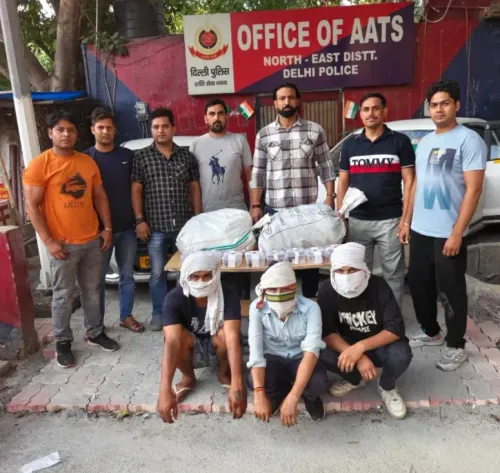
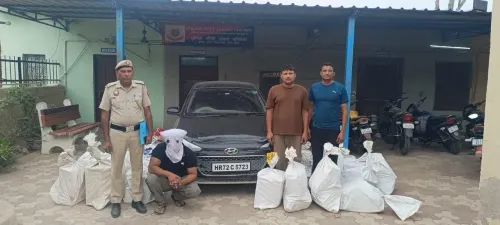
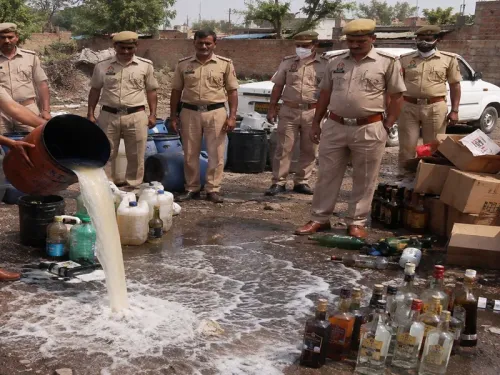
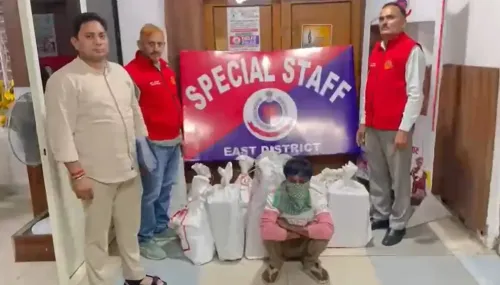
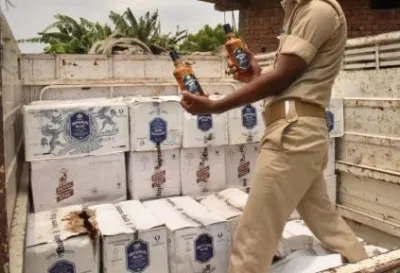
Delhi's Excise Department registered 725 FIRs and arrested 730 people in connection with the sale and transportation of illegal liquor between April and August 2026, according to an official statement released on Sunday, 13 September 2026. The five-month enforcement drive also led to the seizure of 197 vehicles found carrying contraband alcohol across the capital.
Scale of the Crackdown
The numbers represent a sharp acceleration from the corresponding period in the previous financial year. Between April and August 2025, the department had registered 315 FIRs and arrested 312 people, while seizing 112 vehicles and recovering approximately one lakh bottles of illegal liquor. Year-on-year, FIRs have more than doubled and arrests have more than doubled as well — a signal of significantly intensified enforcement.
In addition to action against street-level smugglers, the department also moved against licensed premises found violating rules. Seven FIRs were registered in such cases, and authorities proceeded to seal bars, impose fines, and initiate other legal proceedings against the violators.
What the Government Said
Chief Minister Rekha Gupta reiterated that the Delhi government maintains a zero-tolerance policy against the illegal liquor trade. She said the administration is working on an effective excise policy aimed at eliminating illicit activity while strengthening public safety, ensuring responsible regulation, maintaining product quality, and increasing government revenue.
Gupta also highlighted a balancing objective: ensuring adequate availability of legal liquor, particularly ahead of the festive season, so that Delhi residents are not inconvenienced. Supply through legal channels — including retail outlets run by government corporations and on-premises outlets such as hotels, clubs, and restaurants — will be reinforced, the statement said.
Why Delhi Is Vulnerable
According to the Excise Department, Delhi shares geographical boundaries with multiple neighbouring states and has around 70 entry points — both large and small — that create potential smuggling corridors. The department's enforcement wing maintains constant surveillance across these routes and initiates legal proceedings against those found involved in illegal transportation or sale of liquor.
This geographic vulnerability has long made Delhi a destination for cheaper, unregulated liquor from adjacent states, particularly where excise duties and pricing differ significantly.
What Happens Next
The Excise Department stated that enforcement activities will be stepped up further in view of the upcoming festive season in Delhi — a period historically associated with higher demand and, consequently, greater smuggling risk. The department's dual mandate — cracking down on illegal supply while securing uninterrupted legal availability — will be tested in the coming weeks as the festive calendar intensifies.
Point of View
But the more important question is whether higher enforcement numbers translate into sustained deterrence or merely reflect a seasonal push ahead of the festive calendar. Delhi's 70-plus entry points from neighbouring states represent a structural vulnerability that no single crackdown cycle can seal. Chief Minister Gupta's promise of a new excise policy is the real variable to watch — the city's previous policy overhaul ended in prolonged controversy, and a credible replacement that balances revenue, regulation, and anti-smuggling outcomes remains overdue. Without that policy framework, enforcement alone risks being a recurring headline without lasting impact.
NationPress
13 Sept 2026
Frequently Asked Questions
How many FIRs did Delhi's Excise Department register against illegal liquor in 2026?
Delhi's Excise Department registered 725 FIRs between April and August 2026 in cases related to the sale and transportation of illegal liquor. This compares to 315 FIRs during the same period in 2025, representing a more than 100% increase.
How does the 2026 crackdown compare to the previous year?
The 2026 enforcement figures more than doubled those of the corresponding period in 2025. FIRs rose from 315 to 725, arrests from 312 to 730, and vehicle seizures from 112 to 197.
Why is Delhi particularly prone to illegal liquor smuggling?
Delhi shares borders with multiple neighbouring states and has around 70 entry points — both large and small — which create corridors for smuggling cheaper, unregulated liquor. The Excise Department's enforcement wing maintains surveillance across these routes.
What is Chief Minister Rekha Gupta's stance on illegal liquor?
Chief Minister Rekha Gupta has stated that the Delhi government follows a zero-tolerance policy against the illegal liquor trade. She said a new excise policy is being developed to strengthen public safety, ensure quality, and increase government revenue.
Will enforcement increase further during the festive season?
Yes. The Delhi Excise Department has stated that enforcement activities will be stepped up ahead of the upcoming festive season, when demand — and smuggling risk — typically rises. Legal supply will be maintained through government-run retail outlets and licensed on-premises venues.