BHASHINI, NITI Aayog sign AI pact for multilingual public service delivery
Synopsis
India's BHASHINI Division and NITI Aayog have formalised an AI partnership to deliver government services in citizens' preferred Indian languages — integrating translation APIs, voice bots, and tools like SMRITI and NITI TARA into the country's public service backbone. With 22 scheduled languages and hundreds of dialects in play, this is the most ambitious multilingual governance integration the Centre has attempted.
Key Takeaways
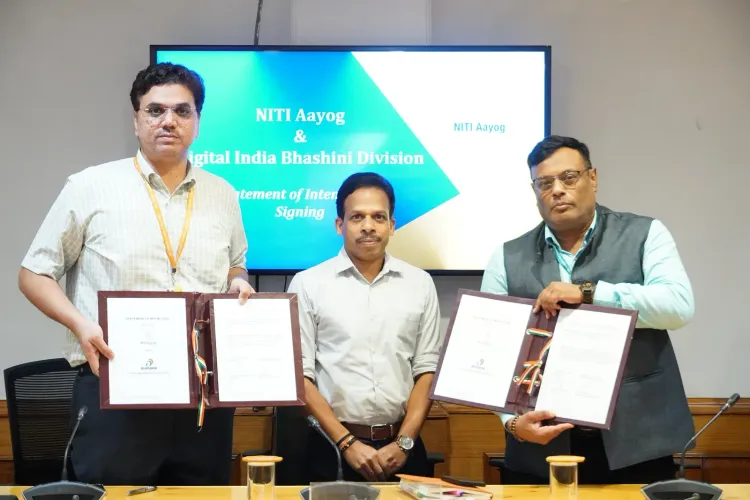
DIBD and NITI Aayog signed a Statement of Intent on 13 August to develop multilingual, voice-first AI for public service delivery.
The BHASHINI for Seva/Sanchalan initiative will integrate language translation APIs and voice bots into NITI Aayog's digital platforms.
NITI TARA has already conducted over 200 capacity-building sessions, empowering more than 4,000 district and block officials.
SMRITI , co-developed with BHASHINI, automates meeting minutes and enables multilingual transcription for last-mile governance.
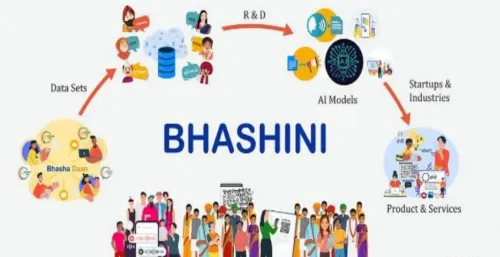
BhashaDaan will be used to crowdsource text, audio, and video linguistic data from officials and citizens to improve AI models.
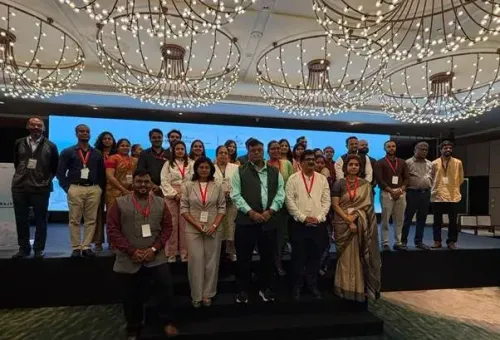
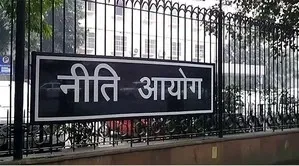
The Digital India BHASHINI Division (DIBD) and NITI Aayog have signed a Statement of Intent (SoI) to jointly develop multilingual, voice-first artificial intelligence solutions aimed at making government services accessible to citizens in their preferred Indian languages. The agreement, announced on 13 August by the Ministry of Electronics and Information Technology (MeitY), anchors the BHASHINI for Seva/Sanchalan initiative as a cornerstone of India's inclusive governance push.
What the Partnership Covers
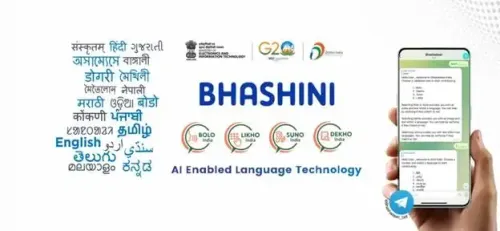
The collaboration will integrate BHASHINI's language translation APIs and reference applications into NITI Aayog's digital platforms, document management systems, and communication workflows. The goal is to enable citizens across linguistic backgrounds to access government information without language being a barrier. The SoI also commits both parties to the continuous improvement of translation models and the development of voice bots tailored to specific NITI Aayog sectors and their specialised terminology.
Notably, the partnership extends to BHASHINI Sahayogi, which will leverage the BhashaDaan platform to collect, curate, and disseminate linguistic data. NITI Aayog officials and citizens are being encouraged to contribute text, audio, and video samples to strengthen the underlying language models.
NITI TARA and SMRITI: Tools Already in the Field
The agreement builds on existing digital governance infrastructure. NITI TARA (Toolkit for Analysis, Review and Action) has already conducted more than 200 capacity-building sessions across India, equipping over 4,000 officials from districts and blocks with data-driven decision-making tools. The toolkit is designed to translate raw data into actionable insights at the grassroots level.
A complementary tool, SMRITI (System for Meeting Recording, Information and Transcription Interface), developed in collaboration with BHASHINI, automates meeting minutes and enables multilingual transcription. According to the official statement, SMRITI is already improving operational efficiency and extending inclusive governance to the last mile.
Why Multilingual AI Matters for India
India recognises 22 scheduled languages and hosts hundreds of dialects, yet most digital government services have historically defaulted to English or Hindi. The BHASHINI ecosystem is the Centre's primary vehicle for bridging that gap, positioning AI-powered language technology as infrastructure rather than a feature. This SoI represents a significant scaling of that ambition — moving from standalone tools to system-wide integration across one of India's most influential policy bodies.
This comes amid a broader global shift toward vernacular AI, with governments from the European Union to Southeast Asia investing in native-language public services. India's multilingual complexity, however, makes the challenge — and the potential impact — considerably larger.
What Comes Next
The partnership is expected to progressively expand BHASHINI's language technology into NITI Aayog's full digital ecosystem. Strengthening sector-specific language models and scaling voice-first interfaces for citizens who are more comfortable speaking than typing will be priority areas, according to the official statement. The success of the initiative will likely determine how quickly similar integrations are rolled out across other Union ministries.
Point of View
But the harder question is execution speed. India has signed numerous digital governance MOUs that stalled at integration. The real test is whether BHASHINI's APIs achieve deep, functional embedding in NITI Aayog workflows — not just pilot deployments. With over 4,000 officials already trained under NITI TARA, there is a ready user base; the bottleneck will be model quality for low-resource languages that BhashaDaan has yet to adequately cover. If this scales, it sets a replicable template for every Union ministry. If it doesn't, it risks being another well-intentioned initiative that stops at the press release.
NationPress
27 Sept 2026
Frequently Asked Questions
What is the BHASHINI-NITI Aayog Statement of Intent about?
It is a formal agreement signed on 13 August between the Digital India BHASHINI Division and NITI Aayog to develop multilingual, voice-first AI solutions for citizen-centric public service delivery. The pact will integrate BHASHINI's language translation APIs and voice bots into NITI Aayog's digital platforms and workflows.
What is BHASHINI for Seva/Sanchalan?
BHASHINI for Seva/Sanchalan is the flagship initiative under this partnership, designed to make government information and services accessible in citizens' preferred Indian languages. It covers translation APIs, reference applications, voice bots, and sector-specific language model development.
What is NITI TARA and how does it relate to this initiative?
NITI TARA (Toolkit for Analysis, Review and Action) is a data analytics platform that converts government data into actionable insights at the grassroots level. It has already trained over 4,000 district and block officials through more than 200 sessions, and the new BHASHINI partnership will add multilingual capabilities to this ecosystem.
What is SMRITI and what does it do?
SMRITI (System for Meeting Recording, Information and Transcription Interface) is a tool co-developed by NITI Aayog and BHASHINI that automates meeting minutes and enables multilingual transcription. It is intended to improve operational efficiency and make governance more inclusive at the last mile.
How will citizens contribute to this multilingual AI initiative?
Through BHASHINI Sahayogi and the BhashaDaan platform, citizens and NITI Aayog officials are encouraged to contribute text, audio, and video samples in Indian languages. This crowdsourced linguistic data will be used to train and continuously improve the AI translation models.