CAIT backs BJP for Bengal: traders cite 15 years of industrial decline
Synopsis
CAIT, the country's largest trader body, has publicly backed a BJP-led government for West Bengal, citing 15 years of industrial decline, MSME shutdowns, and syndicate culture. With sectors from jute to handloom to Bengal's iconic sweet industry under stress, the statement signals that the business community is ready to make governance a poll issue.
Key Takeaways
CAIT on 8 May said West Bengal needs a BJP-aligned government to revive trade and industry.
Praveen Khandelwal alleged 15 years of policy instability, syndicate culture and industrial migration have hurt the state.
Thousands of MSME units reportedly shut down or shifted operations to other states over the past decade.
Sectors including tea, jute, handloom, leather and traditional sweets have suffered from rising costs and regulatory burden.
GST on chhena-based sweets has added further pressure on Bengal's traditional sweet industry, according to CAIT.
Traders are demanding investor-friendly policies, single-window clearance, relief in electricity duty and stronger MSME support.
The Confederation of All India Traders (CAIT) on Friday, 8 May said West Bengal can once again emerge as a major hub of trade, industry and employment — but only if the state secures a transparent, investor-friendly government aligned with Prime Minister Narendra Modi's economic vision. The statement, made from New Delhi, comes amid heightened political activity ahead of the next Bengal assembly cycle and reflects the trading community's growing frustration with the current administration.
15 Years of Industrial Decline, Traders Allege
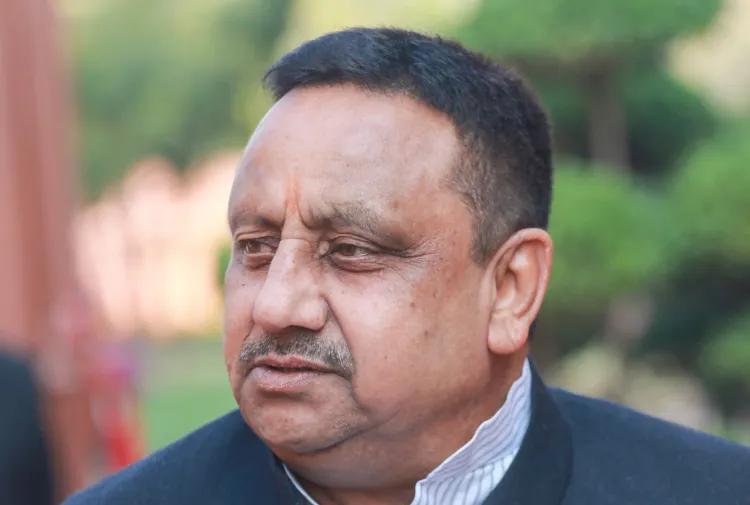
CAIT Secretary and Bharatiya Janata Party (BJP) Member of Parliament Praveen Khandelwal said the trade and industrial community in West Bengal is witnessing what he described as renewed hope over the possibility of a BJP-led government in the state. He alleged that industry, trade, MSMEs, traditional businesses and entrepreneurship in West Bengal have faced significant challenges over the past 15 years due to policy instability, declining investor confidence, migration of industries, syndicate culture and administrative pressure.
Point of View
A dual role that colours every claim here. The grievances around MSME migration and syndicate culture are well-documented, but the framing — that only a BJP-led government can fix them — sidesteps the structural factors that predate the current Trinamool Congress administration. Bengal's industrial decline stretches back to the Left Front era. What traders actually need is a credible policy roadmap, not a party endorsement dressed as a trade body resolution.
NationPress
21 Sept 2026
Frequently Asked Questions
What did CAIT say about West Bengal's trade and industry?
CAIT said West Bengal can re-emerge as a major hub of trade, industry and employment if it gets a transparent, investor-friendly government aligned with PM Modi's economic vision. The body alleged 15 years of policy instability, syndicate culture and industrial migration have significantly hurt the state's business environment.
Who are the CAIT leaders who made these statements?
The key voices were CAIT Secretary and BJP MP Praveen Khandelwal, CAIT Executive Chairman Subhash Agrawala — an industrialist from West Bengal — and CAIT National President B.C. Bhartia. All three called for development-oriented governance to restore Bengal's industrial prominence.
Which industries in West Bengal have been affected, according to CAIT?
CAIT cited tea, jute, handloom, leather, traditional sweets and other small businesses employing lakhs of people as sectors hit by rising costs, regulatory complexities and inadequate infrastructure. It also alleged that GST on chhena-based sweets added pressure on Bengal's iconic sweet industry.
What policy changes are traders in West Bengal demanding?
Traders and industrialists are seeking investor-friendly industrial policies, relief in electricity duty and power tariffs, simplified regulations, a single-window clearance mechanism, better logistics infrastructure, industrial corridors and stronger support for MSMEs and startups.
Why is CAIT's statement significant ahead of Bengal elections?
CAIT is one of India's largest trader bodies, and its explicit alignment with BJP's economic vision for Bengal signals that the business community intends to make governance and industrial policy a central election issue. The statement also reflects broader frustration over MSME shutdowns and the migration of industries to other states.