CBDT chief flags faster tax return processing and grievance redressal gains
Synopsis
At the 167th Income Tax Day, CBDT Chairman Ravi Agarwal laid out concrete progress on faster refunds, grievance resolution, and litigation reduction — while flagging PAN 2.0, ITBA 2.0, and the SAKSHAM NUDGE framework as the department's technology bets. With the Income-tax Act, 2025 now in early implementation, this is the first public scorecard of a sweeping reform cycle.
Key Takeaways
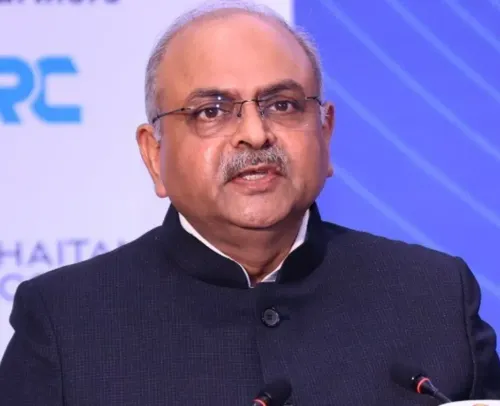
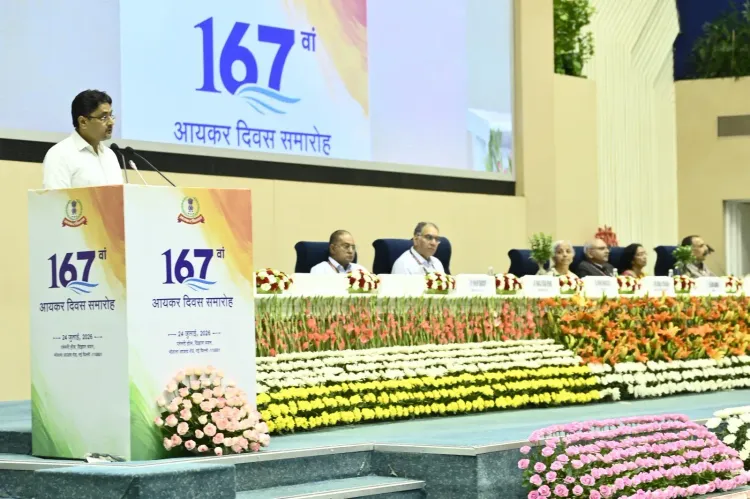
CBDT Chairman Ravi Agarwal addressed the 167th Income Tax Day on 25 July in New Delhi .
Progress reported across faster return processing , refunds, appeal-effect orders, and grievance redressal .
Litigation reduction efforts include faster appeal disposal and expanded use of Advance Pricing Agreements .
Technology push spans PAN 2.0 , ITBA 2.0 , IEC 3.0 , Kar Saathi , and the SAKSHAM NUDGE framework.
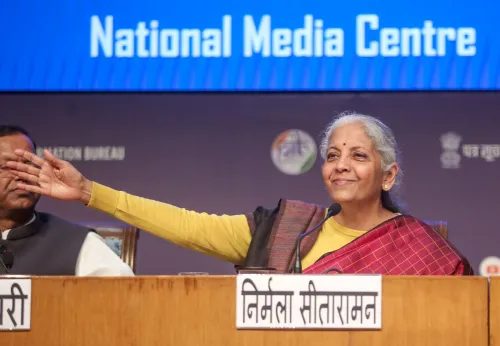
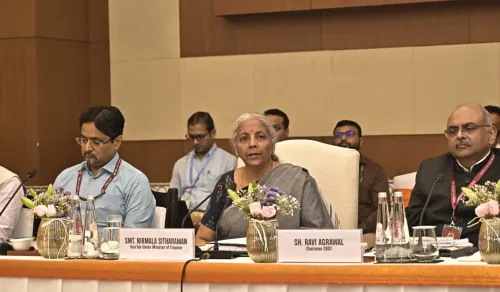
Finance Minister Nirmala Sitharaman released six flagship publications of the Income Tax Department at the event.
Revenue Secretary Arvind Shrivastava called the Income-tax Act, 2025 a landmark reform toward a simpler tax system.
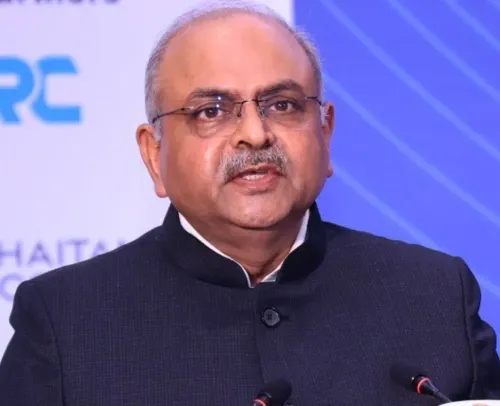
Central Board of Direct Taxes (CBDT) Chairman Ravi Agarwal on 25 July outlined measurable progress across faster return processing, grievance redressal, and litigation reduction at the 167th Income Tax Day celebrations in New Delhi. The address marked a stocktaking moment for the department, mapping its performance against targets set by Finance Minister Nirmala Sitharaman and the PRARAMBH programme earlier this year.
Key Developments
Agarwal walked through the department's record on expeditious return processing, timely appeal-effect orders, refund disbursement, and strengthened grievance mechanisms. He credited sustained institutional effort for the improvements, noting that the direction had been clearly articulated at the PRARAMBH programme and at the previous Income Tax Day event.
The CBDT chairman also pointed to progress in reducing litigation, faster disposal of appeals, and enhanced tax certainty through Advance Pricing Agreements (APAs) — a mechanism that allows taxpayers and the tax authority to agree in advance on transfer-pricing methodology, reducing costly disputes.
Technology at the Centre of Reform
Agarwal underscored the department's push to leverage technology as a compliance enabler. Initiatives cited included PAN 2.0, ITBA 2.0, IEC 3.0, Kar Saathi, and the SAKSHAM NUDGE framework — each aimed at simplifying compliance, improving taxpayer experience, and encouraging voluntary adherence. The department also expanded taxpayer outreach through the PRARAMBH and Samvaad programmes.
He expressed appreciation to all CBDT verticals, including the Exemptions vertical, and acknowledged the officers involved in framing the Rules and Forms under the Income-tax Act, 2025.
What the Finance Ministry Said
Finance Minister Nirmala Sitharaman released six flagship publications of the Income Tax Department at the event, reinforcing the government's stated commitment to knowledge sharing, capacity building, and taxpayer-centric governance.
Revenue Secretary Arvind Shrivastava described the rollout of the Income-tax Act, 2025 and its accompanying Rules and Forms as landmark reforms toward a simpler, clearer tax system. He commended the department's work on taxpayer outreach, grievance redressal, litigation management, and technology-driven service delivery.
Why It Matters
India's tax administration has historically faced criticism for slow refund processing, high litigation volumes, and opaque grievance channels. The progress flagged at this year's Income Tax Day — if borne out by independent data — would represent a meaningful shift in the department's service orientation. Notably, the Income-tax Act, 2025 itself is a structural overhaul, and its early implementation phase is being closely watched by taxpayers, corporates, and legal practitioners alike.
With the SAKSHAM NUDGE framework and PAN 2.0 still in rollout, the department's next reporting cycle will be a critical test of whether these technology investments translate into tangible reduction in compliance burden for ordinary filers.
Point of View
2025 is a genuine structural reform, but its success will be judged in the next two to three filing cycles. The proliferation of technology frameworks — PAN 2.0, ITBA 2.0, IEC 3.0, SAKSHAM NUDGE — risks becoming alphabet-soup optics if integration and last-mile delivery are not tracked with the same rigour as the rollout announcements.
NationPress
25 Jul 2026
Frequently Asked Questions
What did CBDT Chairman Ravi Agarwal say at Income Tax Day 2025?
CBDT Chairman Ravi Agarwal highlighted the department's progress in faster return processing, grievance redressal, litigation reduction, and technology-driven compliance at the 167th Income Tax Day on 25 July in New Delhi. He also outlined advances in Advance Pricing Agreements and taxpayer outreach programmes.
What is the SAKSHAM NUDGE framework?
The SAKSHAM NUDGE framework is an Income Tax Department initiative aimed at encouraging voluntary tax compliance through behavioural nudges and simplified digital interfaces. It is part of a broader technology push that also includes PAN 2.0, ITBA 2.0, IEC 3.0, and Kar Saathi.
What is the Income-tax Act, 2025?
The Income-tax Act, 2025 is a landmark overhaul of India's direct tax legislation, described by Revenue Secretary Arvind Shrivastava as a move toward a simpler, clearer, and more taxpayer-friendly system. New Rules and Forms under the Act are currently being implemented by the CBDT.
What did Finance Minister Nirmala Sitharaman do at the Income Tax Day event?
Finance Minister Nirmala Sitharaman released six flagship publications of the Income Tax Department at the 167th Income Tax Day celebrations, reflecting the government's commitment to transparency, capacity building, and taxpayer-centric governance.
How is the CBDT reducing tax litigation in India?
The CBDT is pursuing litigation reduction through faster disposal of appeals, timely appeal-effect orders, and the expanded use of Advance Pricing Agreements, which allow taxpayers and the department to agree in advance on transfer-pricing methodology, avoiding prolonged disputes.