CCI fines HP India, 16 resellers ₹14 crore for printer cartel

Synopsis
HP India disclosed its own cartel to regulators — and still got hit with a ₹11.98 crore fine. The CCI's ruling against HP India and 16 resellers for cover bidding in printer consumables tenders shows the leniency programme works, but self-disclosure is no free pass. Individual officials face personal penalties too.
Key Takeaways
The CCI imposed total penalties exceeding ₹14 crore on HP India and 16 resellers on 13 July for cartelisation in printer consumables.
HP India was fined ₹11.98 crore ; the 16 Tier-2 resellers collectively face penalties of around ₹2.30 crore .
The case was triggered by a lesser penalty application filed by HP India itself under Section 46 of the Competition Act.
Resellers were found to have submitted cover or support bids , distorting competitive tendering for printer consumables.
The CCI held HP India liable for facilitating the cartel and also penalised individual officials under Section 48 of the Act.
HP India and all resellers were directed to cease and desist from anti-competitive conduct.
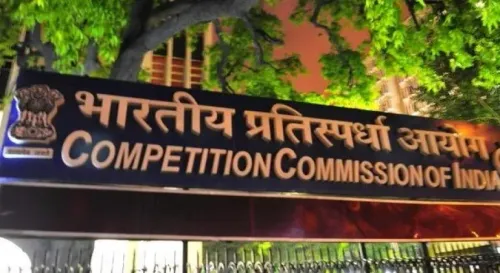
The Competition Commission of India (CCI) on Monday, 13 July imposed penalties totalling more than ₹14 crore on HP India and 16 of its resellers for anti-competitive conduct in the sale and supply of printer consumables, including toner cartridges. The order marks one of the more significant cartelisation rulings in the technology consumables segment in recent years.
The Penalties Imposed
Under an order issued pursuant to Section 27 of the Competition Act, 2002, the CCI levied a penalty of ₹11.98 crore on HP India and a combined ₹2.30 crore on the 16 Tier-2 resellers. The Commission also directed both HP India and the resellers to cease and desist from the anti-competitive conduct found to be in violation of Sections 3(3)(d) read with Section 3(1) of the Act.
How the Case Began
The proceedings originated from a lesser penalty application filed by HP India itself under Section 46 of the Competition Act — a provision that allows companies to disclose cartel arrangements in exchange for reduced fines. In its application, HP India disclosed the existence of a cartelisation arrangement involving itself and certain resellers, effectively triggering the investigation.
What the Resellers Did
Investigators found that the 16 Tier-2 resellers had engaged in the practice of seeking and submitting support or cover bids, thereby distorting competitive bidding processes for printer consumables. The resellers named in the order are DD Enterprises, Ascent Information, Kaypee Enterprises, Britex Enterprises, Alankar Distributors, Vijay Stationery Mart, G R Enterprises, Perfect Innovative, Khandelwal Traders, A Square Technologies, Innovative Solutions, Pioneer Technologies, Delphi Infosolutions, Shakti Marketing, International Computer Resources, and Arms Peripherals.
HP India's Role and Individual Liability
The CCI held that HP India played a central role in facilitating the cartel arrangement among the resellers, making the company directly liable for the statutory contravention. Beyond corporate penalties, the Commission also held individual officials of HP India and the implicated resellers liable under Section 48 of the Competition Act, imposing separate monetary penalties on them — a step that signals the CCI's intent to hold persons in charge personally accountable, not just their organisations.
Broader Significance
Cover bidding — where competitors coordinate to submit non-competitive bids to give the illusion of a fair tender process — is among the most egregious forms of cartelisation under Indian competition law. This case is notable because the disclosure came from within: HP India's own lesser-penalty filing set the investigation in motion. The ruling reinforces that the CCI's leniency programme is functioning as a cartel-detection tool, while also demonstrating that self-disclosure does not shield the applicant from substantial penalties. Procurement agencies and government buyers of printer consumables are among those most directly affected by such bid-rigging arrangements.
Point of View
The CCI's decision to impose personal penalties on individual officials under Section 48 raises the stakes for compliance officers and senior managers in distribution-heavy businesses. Cover bidding in government and institutional procurement is endemic across sectors; this ruling in the technology consumables space could prompt the CCI to look harder at similar arrangements in office supplies, IT hardware, and related categories.
NationPress
12 Oct 2026
Frequently Asked Questions
Why did the CCI fine HP India and its resellers?
The CCI found that HP India and 16 of its Tier-2 resellers engaged in cartelisation in the sale and supply of printer consumables, including toner cartridges. Specifically, the resellers submitted cover or support bids to distort competitive tendering, and HP India was held to have facilitated the arrangement.
How much was HP India fined by the CCI?
HP India was fined ₹11.98 crore. The 16 resellers collectively face penalties of around ₹2.30 crore, bringing the total penalty to more than ₹14 crore.
What is a lesser penalty application and why did HP India file one?
A lesser penalty application under Section 46 of the Competition Act allows a party to disclose a cartel arrangement to the CCI in exchange for a reduced fine. HP India filed such an application, which itself triggered the investigation — though the company still received a substantial penalty of ₹11.98 crore.
Which resellers were named in the CCI order?
The 16 resellers named are DD Enterprises, Ascent Information, Kaypee Enterprises, Britex Enterprises, Alankar Distributors, Vijay Stationery Mart, G R Enterprises, Perfect Innovative, Khandelwal Traders, A Square Technologies, Innovative Solutions, Pioneer Technologies, Delphi Infosolutions, Shakti Marketing, International Computer Resources, and Arms Peripherals.
What happens to HP India and the resellers now?
Beyond the financial penalties, the CCI has directed HP India and all 16 resellers to cease and desist from anti-competitive conduct. Individual officials of HP India and the resellers have also been held personally liable and penalised under Section 48 of the Competition Act.