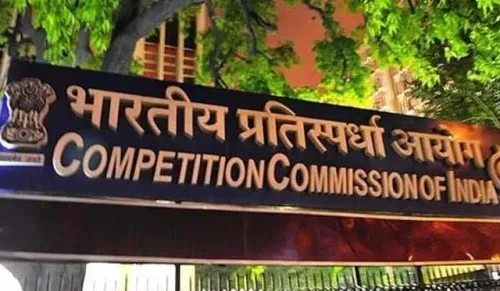
CCI fines HP India, 21 resellers ₹142.37 crore for GeM bid rigging

Synopsis
HP India self-disclosed a cartel to the CCI — and still walked away with the largest penalty in both cases. The ₹142.37 crore fine across 21 resellers exposes how coordinated cover-bidding was systematically distorting government procurement on the GeM platform, raising hard questions about oversight of vendor networks in public digital marketplaces.
Key Takeaways
The CCI imposed a total penalty of ₹142.37 crore on HP India and 21 resellers on 13 July for cartelisation on the GeM platform.
In the personal system products case, HP India was fined ₹126.87 crore and five resellers a combined ₹1.22 crore .
In the printer consumables case, HP India was fined ₹11.98 crore and 16 Tier-2 resellers a combined ₹2.30 crore .
HP India self-disclosed the cartel arrangements via a lesser penalty application under Section 46 of the Competition Act, 2002.
Individual officials of HP India and reseller firms were also penalised under Section 48 of the Act.
All parties were directed to cease and desist from anti-competitive conduct immediately.
The Competition Commission of India (CCI) on Monday, 13 July imposed a combined penalty of ₹142.37 crore on HP India Sales Private Limited and 21 of its resellers across two separate orders, after finding them guilty of cartelisation and bid rigging in government procurement conducted through the Government e-Marketplace (GeM). The fair trade regulator found the company in violation of Sections 3(3)(d) read with Section 3(1) of the Competition Act, 2002.
Penalties in Each Case
In the first order — covering personal system products such as computers and related equipment — the CCI levied a penalty of ₹126.87 crore on HP India and a combined ₹1.22 crore on five of its resellers. The second order, relating to printer consumables including toner cartridges and other printing hardware accessories, attracted a penalty of ₹11.98 crore on HP India and approximately ₹2.30 crore on 16 Tier-2 resellers.
How the Cartel Operated
According to the CCI, both cases originated from lesser penalty applications filed by HP India under Section 46 of the Competition Act — a provision that allows entities to self-disclose cartel arrangements in exchange for reduced penalties. Through these disclosures, the company revealed coordinated conduct involving itself and its reseller network on the GeM platform.
The Commission found that resellers had sought and submitted support or cover bids in government tenders, deliberately distorting the competitive bidding process. The CCI held that HP India played a central facilitating role in both cartel arrangements, making it directly liable under the Act.
Resellers Found Guilty
In the printer consumables case, the 16 Tier-2 resellers held guilty include DD Enterprises, Ascent Information, Kaypee Enterprises, Britex Enterprises, Alankar Distributors, Vijay Stationery Mart, G R Enterprises, Perfect Innovative, Khandelwal Traders, A Square Technologies, Innovative Solutions, Pioneer Technologies, Delphi Infosolutions, Shakti Marketing, International Computer Resources, and Arms Peripherals. Five additional resellers were found guilty in the personal system products case, though their names were not specified in the proceedings.
Individual Officials Also Penalised
Beyond corporate penalties, the CCI invoked Section 48 of the Competition Act to hold individual officials of HP India and the implicated reseller firms personally liable, imposing separate penalties on them. The Commission also issued a cease-and-desist directive against all parties, ordering them to immediately halt anti-competitive conduct.
Significance for Public Procurement
This ruling is among the more significant enforcement actions on the GeM platform, which was established to bring transparency and competition to government procurement. Bid rigging in such marketplaces directly inflates costs borne by the exchequer. Notably, the self-disclosure route taken by HP India — while resulting in reduced penalties — still attracted the largest single penalty in either case, underscoring the Commission's view of the company as the primary architect of the arrangements. The CCI's orders signal heightened scrutiny of vendor conduct on digital government procurement channels going forward.
Point of View
But also that the cartel was extensive enough that concealment was no longer viable. The CCI's decision to still impose the heaviest penalty on the disclosing party, rather than the resellers, correctly identifies where the power and the coordination originated. The deeper question is how many other large vendors on GeM operate similar reseller arrangements without self-disclosure.
NationPress
14 Jul 2026
Frequently Asked Questions
Why did the CCI fine HP India and its resellers?
The CCI found HP India and 21 of its resellers guilty of cartelisation and bid rigging in government procurement on the GeM platform, in violation of the Competition Act, 2002. The company and resellers coordinated cover bids in government tenders, distorting competitive pricing.
What is the total penalty imposed by the CCI in this case?
The CCI imposed a combined penalty of ₹142.37 crore across two separate orders — ₹126.87 crore on HP India and ₹1.22 crore on five resellers in the personal systems case, and ₹11.98 crore on HP India and ₹2.30 crore on 16 resellers in the printer consumables case.
What is a lesser penalty application and why did HP India file one?
A lesser penalty application under Section 46 of the Competition Act allows a party to self-disclose cartel conduct in exchange for a reduced fine. HP India filed such applications in both cases, which initiated the CCI proceedings, though the company still received the largest individual penalties in each order.
Who are the resellers penalised in the printer consumables case?
The 16 Tier-2 resellers penalised include DD Enterprises, Ascent Information, Kaypee Enterprises, Britex Enterprises, Alankar Distributors, Vijay Stationery Mart, G R Enterprises, Perfect Innovative, Khandelwal Traders, A Square Technologies, Innovative Solutions, Pioneer Technologies, Delphi Infosolutions, Shakti Marketing, International Computer Resources, and Arms Peripherals.
What does the CCI's cease-and-desist order mean for HP India?
The cease-and-desist directive requires HP India and all implicated resellers to immediately stop any anti-competitive conduct in government procurement. Individual company officials have also been held personally liable under Section 48 of the Competition Act, in addition to the corporate penalties.