Centre rejects Punjab mandi glut claims, wheat lifting up in RMS 2026
Synopsis
The Centre has pushed back hard against 'glut' claims in Punjab mandis, pointing to data showing wheat arrivals are actually down 3 LMT from last year while lifting has outpaced 2025 levels. With Punjab bagging 60% of all railway wheat specials and an 18 LMT direct delivery plan in place, the government is making a case that logistics — not grain surplus — was always the real challenge.
Key Takeaways
Wheat arrivals in Punjab as of 6 May 2026 stood at 122 LMT , down from 125 LMT during the same period in 2025 .
Progressive wheat lifting reached 78.96 LMT , higher than 75.63 LMT recorded in the corresponding period last year.
Close to 18 LMT of wheat is proposed to be evacuated through direct delivery during RMS 2026 .
Punjab received 234 out of 413 railway wheat specials in April and 201 out of 354 in May — nearly 60% of total national allocation.
The Centre's clarification directly contradicts media reports of a 'glut-like' situation in Punjab mandis.
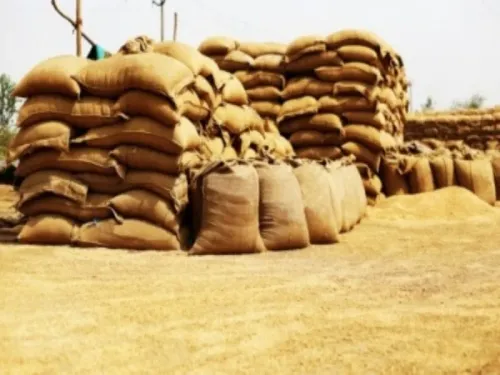
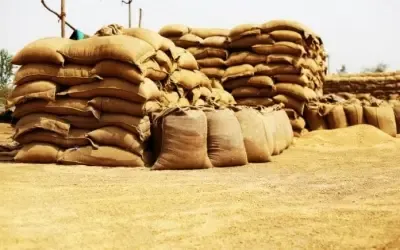
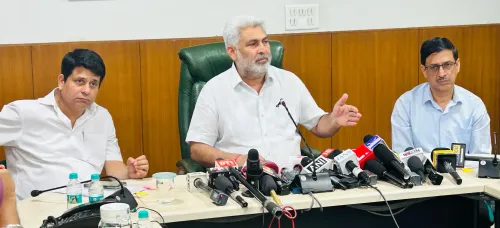
The Centre on Thursday, 7 May 2026 rejected claims of a 'glut-like' situation in Punjab mandis, asserting that wheat arrivals during the ongoing rabi marketing season (RMS) 2026 are actually lower than the previous year while procurement and lifting operations have improved significantly. The government's clarification came in direct response to a media report that had suggested excessive grain inflow was creating congestion at procurement centres across the state.
Wheat Arrivals Lower Than Last Year
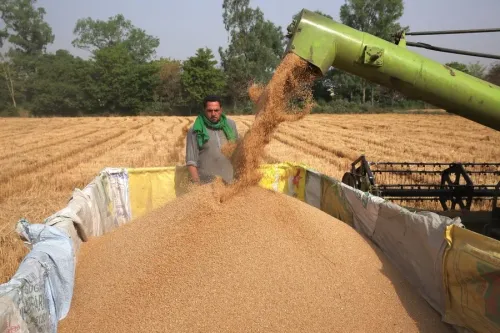
According to the government's statement, wheat arrivals in Punjab as of 6 May 2026 stood at approximately 122 lakh metric tonnes (LMT), compared to 125 LMT recorded during the same period in 2025. This represents a decline of nearly 3 LMT year-on-year, directly contradicting the narrative of a surplus-driven glut in mandis. Officials noted that lower arrivals indicate the current situation does not reflect excessive inflow of grain into procurement centres.
Lifting Operations Ahead of Last Year's Pace
The Centre further stated that wheat lifting from mandis has been faster this season. Progressive lifting as on 6 May 2026 reached 78.96 LMT, higher than the 75.63 LMT recorded during the corresponding period in 2025. Officials said the higher evacuation despite lower arrivals demonstrates better movement of stocks from procurement centres and reduced congestion across Punjab mandis. This is a notable operational improvement, suggesting that logistical bottlenecks that had plagued previous seasons are being addressed more effectively.
Direct Delivery Mechanism Expanded
To further streamline procurement operations, the Centre said it has significantly expanded direct delivery mechanisms during the current season. Around 3.5 LMT of wheat was moved directly from mandis in April, while another 6.6 LMT has already been planned for May and nearly 8 LMT is expected to be handled similarly in June. In total, close to 18 LMT of wheat is proposed to be evacuated through direct delivery during the ongoing RMS, based on requests from Punjab authorities. This phased ramp-up in direct delivery signals a deliberate shift toward reducing mandi dwell time for procured grain.
Punjab Gets Lion's Share of Railway Wheat Specials
The government also highlighted that Punjab has received the largest allocation of railway wheat specials for grain movement across the country. Out of 413 wheat specials placed nationwide in April, 234 were allotted to Punjab. Similarly, 201 out of 354 wheat specials allocated in May have been earmarked for the state, accounting for nearly 60 per cent of total wheat movement planned across India. This disproportionately large allocation underscores the Centre's stated commitment to ensuring smooth evacuation of Punjab's procurement volumes. Notably, railway specials are a critical link in moving grain from mandis to Food Corporation of India (FCI) godowns and distribution points nationwide.
With the RMS 2026 season still under way, all eyes will be on whether the expanded direct delivery pipeline and railway allocations are sufficient to maintain the current pace of lifting through the peak procurement weeks ahead.
Point of View
Not just aggregate lifting numbers. The 60% railway allocation to Punjab is significant, but railway specials are only as effective as the turnaround time at loading points. The real accountability question is whether the 18 LMT direct delivery target will be met on schedule, or whether it becomes another headline number that lags in execution — a pattern that has recurred in previous RMS seasons.
NationPress
24 Sept 2026
Frequently Asked Questions
Is there a wheat glut in Punjab mandis in 2026?
The Centre has rejected claims of a wheat glut, stating that arrivals in Punjab as of 6 May 2026 stood at 122 LMT — nearly 3 LMT lower than the 125 LMT recorded during the same period in 2025. Officials say lower arrivals and faster lifting indicate no excessive grain inflow.
How much wheat has been lifted from Punjab mandis in RMS 2026?
Progressive wheat lifting in Punjab reached 78.96 LMT as of 6 May 2026, higher than the 75.63 LMT lifted during the corresponding period in 2025. The government says this reflects improved logistics and reduced mandi congestion.
What is the direct delivery mechanism for wheat procurement?
Direct delivery involves moving wheat from mandis directly to storage or distribution points, bypassing intermediate holding. Around 3.5 LMT was moved this way in April 2026, with 6.6 LMT planned for May and 8 LMT for June, totalling nearly 18 LMT for the RMS 2026 season.
How many railway wheat specials has Punjab received in RMS 2026?
Punjab received 234 out of 413 railway wheat specials allocated nationally in April, and 201 out of 354 in May — accounting for nearly 60% of total wheat movement planned across India, the highest allocation of any state.
What is the rabi marketing season (RMS)?
The rabi marketing season refers to the annual government-led procurement cycle for rabi crops — primarily wheat — harvested in spring. It typically runs from April through June, during which agencies like the Food Corporation of India (FCI) procure grain from farmers at the minimum support price (MSP) through designated mandis.