Centre releases ₹1,09,019 crore tax devolution early ahead of Diwali
Synopsis
The Centre moved its regular ₹1,09,019 crore tax devolution five days early — the third such advance or additional release this financial year — giving states a pre-Diwali liquidity boost even as India's fiscal deficit has already hit 42.1% of the full-year target by September.
Key Takeaways
The Union Government released ₹1,09,019 crore in tax devolution on 5 November 2026 , five days ahead of the normal 10 November schedule.
The advance release was prompted by the Diwali festive season and to help states accelerate capital and welfare spending.
Uttar Pradesh received the most at ₹19,208 crore , followed by Bihar (₹10,845 crore) and Madhya Pradesh (₹8,010 crore).
An additional instalment of ₹1,09,019 crore was also released last week, and a similar additional release was made in August .
India's fiscal deficit for April–September 2026 stood at ₹7.14 lakh crore , or 42.1% of the full-year budget estimate of ₹16.96 lakh crore .
The Union Government on Thursday, 5 November 2026, released the regular monthly instalment of tax devolution worth ₹1,09,019 crore to state governments ahead of the scheduled 10 November release date, citing the upcoming Diwali festive season and the need to accelerate capital and welfare spending at the state level.
What the Government Said
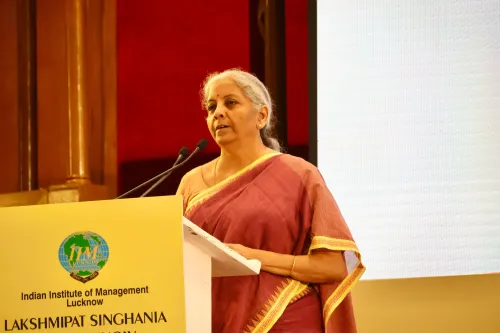
The Finance Ministry confirmed the advance release in an official statement, noting: 'In view of upcoming festive season and to enable states to accelerate capital spending and finance their development/welfare related expenditure, the Union Government released regular tax devolution of ₹1,09,019 crore to State Governments in advance.'
State-wise Breakdown
Uttar Pradesh, the country's most populous state, received the largest share at ₹19,208 crore. Bihar was allotted ₹10,845 crore, Madhya Pradesh received ₹8,010 crore, West Bengal got ₹7,866 crore, Maharashtra received ₹7,022 crore, and Rajasthan was allocated ₹6,460 crore, among other states.
Context: A Pattern of Advance Releases
This is not an isolated move. Last week, the Centre had already released an additional instalment of ₹1,09,019 crore — over and above the regular monthly devolution — also citing the festive season. Similarly, in August, an additional instalment of ₹1,09,019 crore was released, reinforcing what appears to be a deliberate fiscal strategy of front-loading devolution to strengthen state finances during key spending periods. Notably, this is the third such advance or additional devolution release within the current financial year.
Fiscal Deficit in Focus
The advance devolution comes against a backdrop of tightening fiscal numbers. India's fiscal deficit for the first half of the financial year (April–September) reached ₹7.14 lakh crore, which is 42.1% of the full-year budget estimate. The Centre has budgeted a fiscal deficit of ₹16.96 lakh crore for financial year 2026-27.
Revenue receipts for the same period stood at ₹17.57 lakh crore, constituting 49.7% of the budget estimate. Of this, net tax revenue was ₹12.76 lakh crore and non-tax revenue was ₹4.81 lakh crore, according to official figures.
What This Means for States
The advance release gives state governments additional liquidity precisely when festive-season infrastructure projects and welfare disbursements typically accelerate. For states like Uttar Pradesh and Bihar — large recipients with significant development backlogs — the funds could meaningfully boost Q3 capital expenditure. All eyes are now on how effectively states deploy this liquidity before the financial year's mid-point.
Point of View
But the underlying pattern — three advance or additional instalments in a single financial year — deserves scrutiny. With the fiscal deficit already at 42.1% of the full-year target by September, repeated front-loading raises questions about whether the Centre is managing genuine state liquidity needs or smoothing a fiscal optics calendar. States with weaker revenue bases, such as Bihar and Uttar Pradesh, are structurally dependent on devolution timing; the real test is whether faster releases translate into faster capital expenditure on the ground, or simply into larger state cash balances heading into the new year.
NationPress
5 Nov 2026
Frequently Asked Questions
Why did the Centre release tax devolution early ahead of Diwali?
The Finance Ministry released the regular monthly tax devolution of ₹1,09,019 crore five days ahead of the normal 10 November date to allow states to accelerate capital spending and fund development and welfare expenditure during the festive season.
Which states received the most from this devolution release?
Uttar Pradesh received the largest share at ₹19,208 crore, followed by Bihar with ₹10,845 crore, Madhya Pradesh with ₹8,010 crore, West Bengal with ₹7,866 crore, Maharashtra with ₹7,022 crore, and Rajasthan with ₹6,460 crore.
Is this the first time the Centre has released advance devolution this financial year?
No. Last week the Centre released an additional instalment of ₹1,09,019 crore, and a similar additional release was made in August 2026. This latest advance release is the third such move in the current financial year.
What is India's fiscal deficit situation for the current financial year?
India's fiscal deficit reached ₹7.14 lakh crore in the April–September period, amounting to 42.1% of the full-year budget estimate of ₹16.96 lakh crore for financial year 2026-27. Revenue receipts stood at ₹17.57 lakh crore, or 49.7% of the budget estimate.
What is tax devolution and why does it matter for states?
Tax devolution is the Centre's constitutionally mandated transfer of a share of central tax revenues to state governments, calculated on the basis of the Finance Commission's formula. It is a primary source of untied funds for states, enabling them to plan capital projects and welfare programmes independently.