Paytm building one of India's strongest fintech models: Citigroup

Synopsis
Citigroup says Paytm is building one of India's strongest fintech models — and the numbers back it up. Consumer payments grew at twice the market rate in FY26, merchant devices hit 15 million, and only 7% of eligible merchants are using loans, leaving a vast runway ahead. With a ₹1,380 target price and a Buy call, this is one of the most bullish institutional reads on Paytm in recent memory.
Key Takeaways
Citigroup maintained a Buy rating on Paytm with a target price of ₹1,380 after the Citi Pan Asia Conference 2026 .
Paytm's consumer payments grew at nearly double the market rate in FY26 ; monthly transacting users reached 77 million .
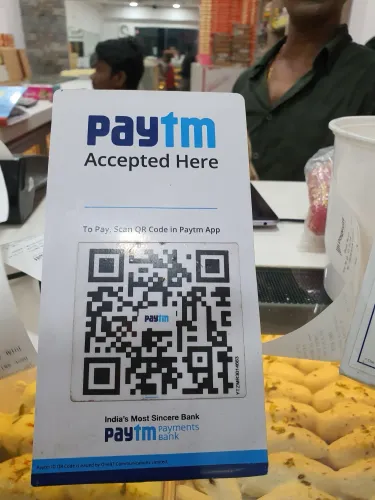
The company deployed approximately 15 million merchant devices , adding nearly 3 million during FY26 alone.
Only 7% of Paytm's merchant base uses merchant loans despite nearly 40% being eligible, indicating significant lending headroom.
Net payment margins stand at around 4 basis points ; high-monetisation products like RuPay cards and Credit on UPI could lift profitability meaningfully.
Paytm is investing in AI-led product development in wealth and broking, with potential international expansion into Southeast Asia on the horizon.
Global brokerage Citigroup has turned decisively bullish on Paytm, citing strong momentum across payments, merchant services, lending, and profitability, and describing the company as building one of India's most resilient fintech business models. The assessment came in a report published after Citigroup hosted Paytm's management at the Citi Pan Asia Conference 2026 in May 2026.
Buy Rating and Target Price
Citigroup maintained a Buy rating on Paytm with a target price of ₹1,380, implying meaningful upside from current market levels. The brokerage cited 'plenty of growth and margin drivers' and said the competitive environment remains disciplined, supporting steady improvement in payment margins.
Consumer Payments Gaining Ground
Paytm's consumer payments business grew at nearly double the market growth rate during FY26, according to the report. Monthly transacting users climbed to 77 million, reinforcing the company's continued scale within India's digital payments ecosystem. Citigroup flagged structural growth drivers including Credit on UPI, online payment gateways, card EMI adoption, and merchant monetisation as key tailwinds.
Merchant Ecosystem Expanding Rapidly
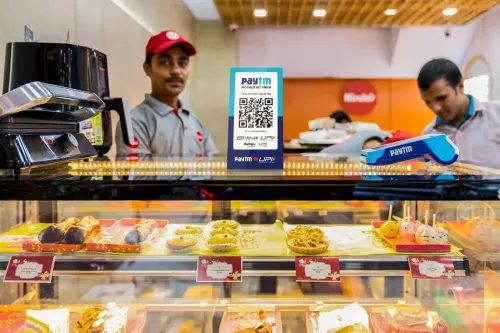
Paytm added nearly 3 million merchant devices during FY26 and now has approximately 15 million devices deployed across the country. Citigroup noted that significant room for further expansion remains, and that the company could also explore international opportunities in markets such as Southeast Asia.
On monetisation, the brokerage highlighted that Paytm's net payment margins currently stand at around 4 basis points. Even relatively small contributions from high-monetisation products — such as RuPay cards, Credit on UPI, and Postpaid — can have a meaningful impact on overall profitability at this scale.
Lending Business Has Substantial Headroom
In financial services, Citigroup said Paytm's merchant lending business continues to benefit from strong structural tailwinds. Notably, only around 7% of Paytm's merchant base currently uses merchant loans, despite nearly 40% being eligible — indicating substantial headroom for future expansion.
AI Investment and Competitive Moat
The report also noted that Paytm is investing in AI-led product development across wealth and broking services as it prepares for evolving consumer expectations in digital financial services. Citigroup argued that Paytm's large merchant network, repeat user engagement, and scale advantages create a strong competitive moat. Improving operating leverage and disciplined execution, the brokerage added, could further strengthen the company's profitability profile over the coming years.
Point of View
But for the granularity behind it — the 7%-versus-40% merchant lending gap is the kind of structural headroom that institutional investors find compelling. Yet Paytm has navigated regulatory turbulence before, and the gap between eligible and active borrowers may reflect credit caution as much as opportunity. The deeper question is whether Paytm can convert merchant device scale into durable lending revenue without repeating the asset-quality missteps that rattled its lending book in earlier cycles. AI investment in wealth and broking is a smart hedge, but those are crowded markets with well-capitalised rivals. The bull case is real; so is the execution risk.
NationPress
23 Sept 2026
Frequently Asked Questions
What is Citigroup's rating and target price for Paytm?
Citigroup has maintained a Buy rating on Paytm with a target price of ₹1,380, implying meaningful upside from current levels. The call was reaffirmed after Paytm's management presented at the Citi Pan Asia Conference 2026.
How fast did Paytm's payments business grow in FY26?
Paytm's consumer payments business grew at nearly double the overall market growth rate during FY26. Monthly transacting users rose to 77 million, according to Citigroup's report.
How large is Paytm's merchant device network?
Paytm has approximately 15 million merchant devices deployed across India as of FY26, after adding nearly 3 million devices during the year. Citigroup noted that significant room for further expansion remains domestically and potentially in Southeast Asia.
Why does Citigroup see lending as a major growth driver for Paytm?
Only around 7% of Paytm's merchant base currently uses merchant loans, even though nearly 40% are eligible. Citigroup views this gap as substantial headroom for future expansion in the merchant lending segment.
What is Paytm's net payment margin and why does it matter?
Paytm's net payment margins stand at approximately 4 basis points. At this scale, even small incremental contributions from high-monetisation products such as RuPay cards, Credit on UPI, and Postpaid can have a meaningful positive impact on overall profitability.